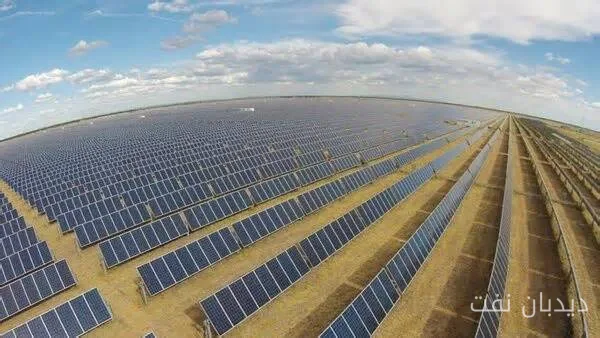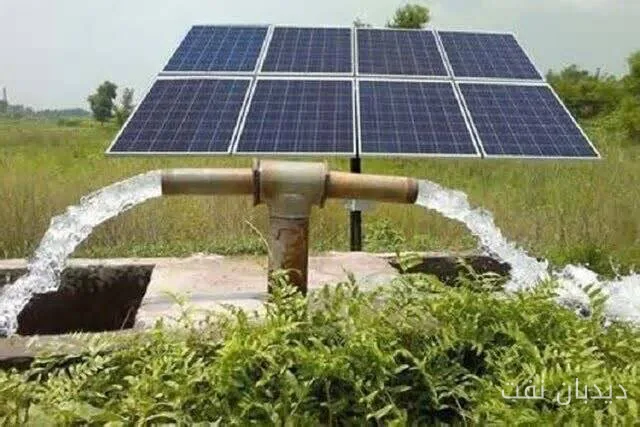
Kerman agriculture, as one of the most important economic sectors of the province, is striving to improve the sustainable electricity supply for agricultural wells by using solar panels. This initiative becomes especially significant in the hot season when the demand for water and energy increases.
Planning for Energy Supply
Kerman farmers are looking to reduce energy costs and increase their productivity by installing solar panels in their fields and orchards. This planning is considered a practical measure, especially in conditions where energy imbalance has become a serious challenge in the country. The use of solar energy can enable farmers to operate independently from the national electricity grid, thereby reducing their dependence on fossil energy sources.
Economic and Environmental Benefits
The use of solar panels in agriculture not only reduces costs but also brings environmental benefits. This technology helps reduce air pollution and greenhouse gas emissions, and it also contributes to the preservation of water and soil resources. Considering that Kerman is recognized as one of the arid and semi-arid regions of the country, this method can help preserve natural resources and promote sustainable agriculture in this area.
However, implementing this plan requires a high initial investment. The government and relevant institutions must assist farmers in this path by providing facilities and financial support. Additionally, holding training courses to familiarize farmers with modern technologies and how to utilize solar panels can help improve conditions.
Ultimately, the use of solar energy in Kerman agriculture could serve as a successful model in other parts of the country as well. Given the existing challenges in energy and water supply, this innovative method could be a suitable solution for overcoming energy imbalance and enhancing agricultural production.
Read more: Noria Energy, an innovator in floating solar trackers!