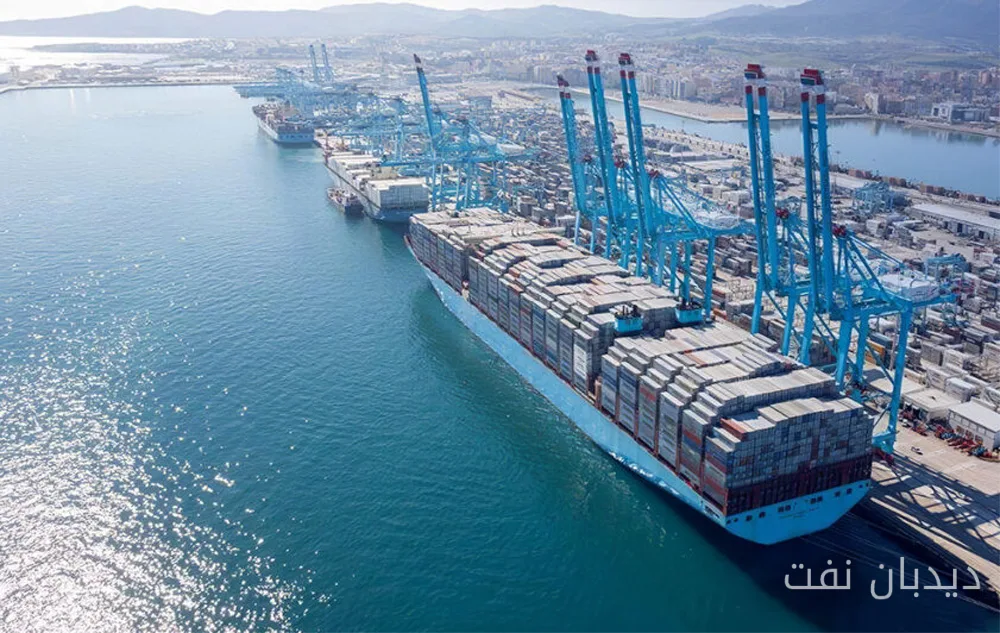
The U.S. Federal Maritime Commission (FMC), after nearly two years of investigation, presented conclusive evidence of Spain's port restrictions that have created adverse conditions for foreign commercial vessels. The Commission has proposed imposing penalties on ships flying the Spanish flag and restrictions on the import of certain Spanish goods.
Details of the Investigation and Its Reasons
The investigation pertains to incidents in November 2024, where ships owned by Maersk Line, Ltd. were forced to change course from the port of Algiers to Morocco due to protests by activists in Spain. Activists claimed that Maersk ships were carrying military cargo to Israel, which contradicts Spain's ban on the transfer of weapons to Israel through its ports. According to activists, these ships had been regularly carrying such cargo since September 2023.
Read more: Decline in Record-Breaking Shipbuilding Cargo in the Last Fifty Years
A spokesperson for Maersk stated at the time that the company respects Spain's authority to change its criteria and emphasized that the cargo being transported is entirely legal. He also stated that "the cargo intended to be transferred through the port does not include any weapons or military ammunition." Maersk participates in the MARAD maritime security program, and a significant portion of its cargo consists of government-owned goods and equipment, including military cargo.
Consequences of the Investigation and Proposed Penalties
The investigation began in December 2024, and FMC referred to a report on the diversion of ships. In December 2025, FMC announced that it is reviewing public comments and is likely to impose penalties of approximately $2.3 million per trip for ships flying the Spanish flag.
FMC has stated that three ships were forced to change course due to Spain's restrictions, and since then, shipowners have chosen the port of Tangier for stops instead of the port of Algiers. This investigation indicates that Spain has "created adverse conditions against U.S.-flagged ships." In announcing the results of this investigation, FMC writes: "These adverse conditions have serious consequences for the efficiency and reliability of the international maritime transport supply chain."
FMC is now seeking public input on its proposed actions, which include a penalty of $200,000 per trip to the United States for ships flying the Spanish flag. Additionally, the Commission proposes restrictions on the import of Spanish goods, including olive oil, perfumes and cosmetics, ceramics, stone articles, and sugar and sweets.
Spain will have the opportunity to participate in a hearing before these penalties are imposed. Spanish officials have consistently stated that their actions are within the framework of international and Spanish law and EU restrictions. They emphasize that these restrictions apply to all ships, regardless of their flag, seeking to stop at Spanish ports.
During the peak of the war in Gaza, there were several instances where activists attempted to turn ships back or prevent their entry into the port, believing they might carry materials needed to support the war to Israel. There were also reports of dockworkers refusing to load ships they believed might contain cargo to Israel to support war efforts.
Read more: Increase in Intensity of Conflicts in Yemen and Its Impact on Maritime Traffic · New Sanctions Affecting Iranian Oil Tankers