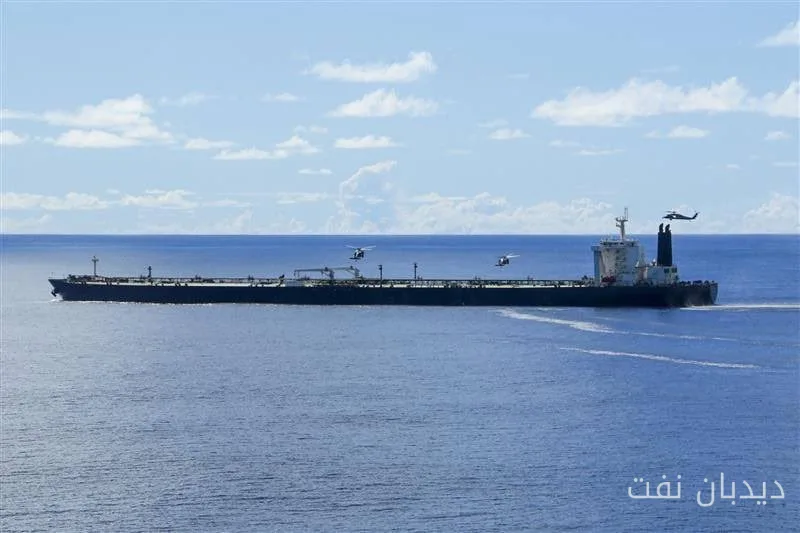
On April 23, 2026, the United States targeted the sanctioned and flagless tanker "Majestic X" in the Indian Ocean. This tanker, previously known as "Phonix," is linked to Iran's shadow oil trade.
On Wednesday, the U.S. Department of the Treasury sanctioned a network of individuals and companies accused of managing fake ship registrations. This network, led by "Sunil Kumar Sharma" and his wife "Jaspreet Preeti Shahid" based in India, has helped Iran's shadow fleet evade sanctions.
Read more: Discovery of 28,500 liters of smuggled fuel by the border guard of West Azerbaijan
Details of the Fake Registration Network
According to the Treasury Department, this couple operated a network of fake flag registrations and maritime certification services that allowed sanctioned tankers to operate under flags they were not legally permitted to fly. Some of these vessels were specifically transporting oil for Iran's military forces and their representatives.
The network illegally forged maritime officials from various countries including "Guyana," "Eswatini," "Laos," "Aruba," "Nicaragua," and "Sint Maarten," issuing registration documents and certificates without authorization from the relevant governments.
Consequences and Implications of the Sanctions
The sanctions include "Sharma," "Shahid," two associates, and nine companies and organizations linked to this network. Among these companies are "Oceaniek Technologies India," "Aryavart Ship Management Private Limited," and "Eswatini Maritime Affairs and International Ship Registry."
Additionally, the Office of Foreign Assets Control (OFAC) issued a new warning to the maritime industry that companies servicing vessels with fake flags may face sanctions or penalties. This warning highlights a growing problem in the shadow fleet trade, where vessels increasingly rely on suspicious or entirely fake registrations.
OFAC also emphasized the importance of further investigations by insurers, financial institutions, and other maritime service providers, advising them to exercise greater caution in dealings with vessels showing signs of fake registrations.
The sanctions are part of a rejected economic operation that began in August, aimed at cutting off the financial chains supporting Iran's oil exports and other economic activities. This action comes as the United States continues its maritime blockade of Iran, seeking to disrupt networks that allow Iranian oil to reach global markets.
Read more: Discovery of 222,000 liters of smuggled fuel in Arak by the Economic Security Police · Hamid Reza Hajibabaei: Iran's goals have no geographical limitations