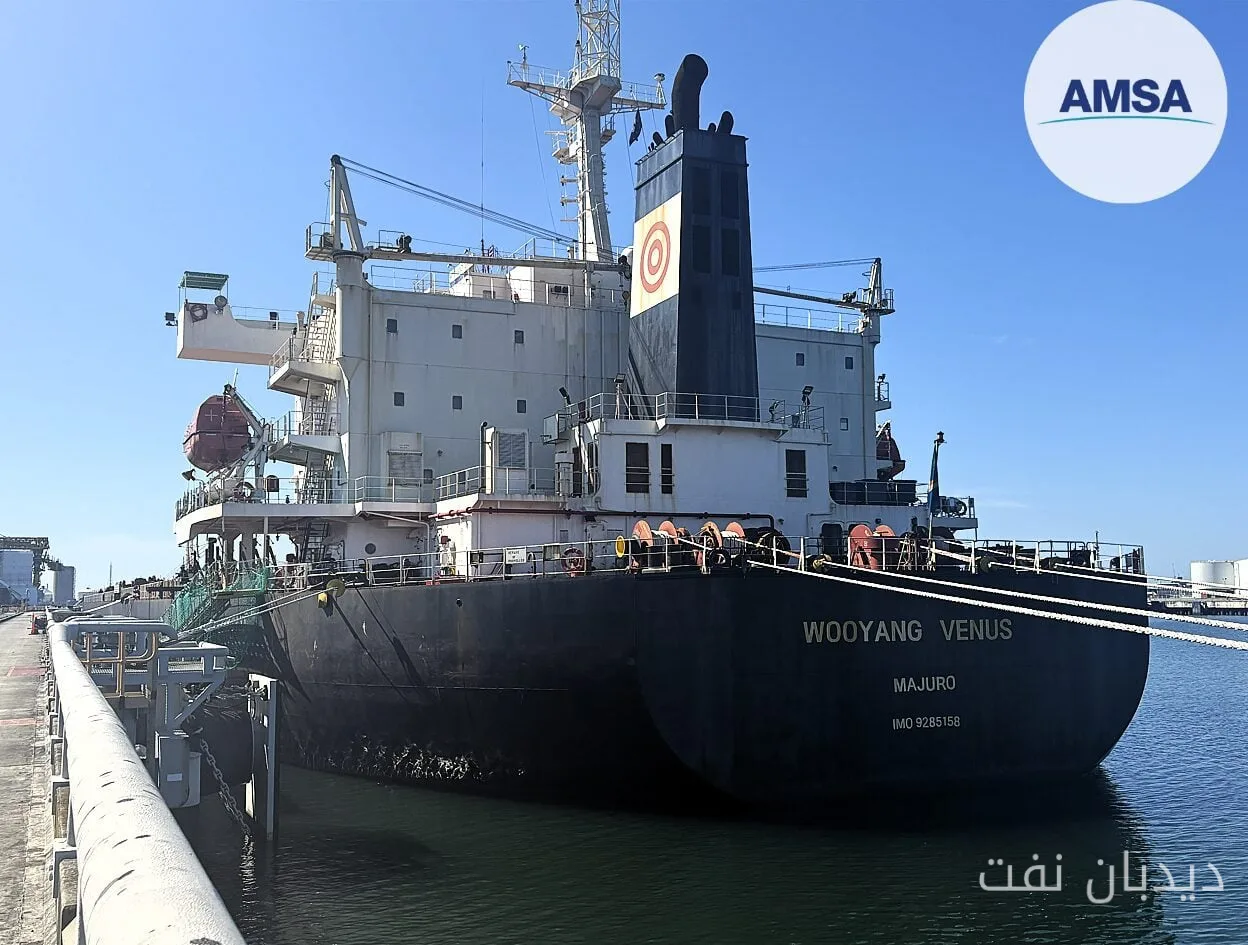
The tanker Wooyang Venus, operating under the flag of the Marshall Islands, has been banned from entering Australian ports for 90 days. This action follows an inspection on October 29 at the port of Newcastle, which responded to a complaint under the Maritime Labour Convention (MLC). Inspectors found that the crew's work and rest records had been deliberately falsified to conceal excessive working hours.
History of Similar Issues
This ban marks the third time the tanker Wooyang Venus has been detained in Australian waters, with previous inspections in the last three years identifying similar issues. For instance, the tanker was detained in August 2026 for failing to properly record or monitor crew work and rest hours. It was also detained in December 2023 for inaccurate work and rest records.
Read more: Dubai–Grey Route: Three Oil Trusts, 'Billions of Dollars' and an 11 Billion Narrative
In the previous detention, there were more serious concerns regarding crew welfare. According to the annual report of the Maritime Labour Convention AMSA in 2023, inspectors responded to a complaint from the International Transport Workers' Federation (ITF) regarding inadequate food, falsified work hours, and evidence of a seafarer being assaulted by the tanker’s captain.
Consequences of Falsifying Records
Greg Vitral, Executive Director of Maritime Safety and Environmental Compliance at AMSA, warned that falsifying records intended to protect seafarers poses serious risks to both crew and maritime safety. He added that evidence has shown that improper fatigue management can impair judgment, reduce alertness, and slow reaction times.
These risks include the potential for accidents, grounding, and serious injuries, especially during navigation, watchkeeping, and other safety-critical operations. Under the Maritime Labour Convention, ship owners and operators are required to meet minimum standards regarding the working and living conditions of seafarers, which include mandatory rest periods. Accurate record-keeping is essential to demonstrate compliance and prevent fatigue-related incidents.
AMSA stated that this 90-day ban has been imposed under Section 246 of the Australian Navigation Act 2012, referring to the deliberate falsification of records, repeated deficiencies, and concerns regarding the effectiveness of the safety management systems of the tanker’s owner and operator. The agency has identified crew management and fatigue as a key priority in its national compliance program for the years 2026-2027.
Vitral warned that AMSA will take decisive action if serious or repeated deficiencies in these requirements are observed.
Read more: Discovery of 7,700 liters of smuggled diesel by the police commander of Qom County · Analysis of the routes of sanctioned tankers in Dezful