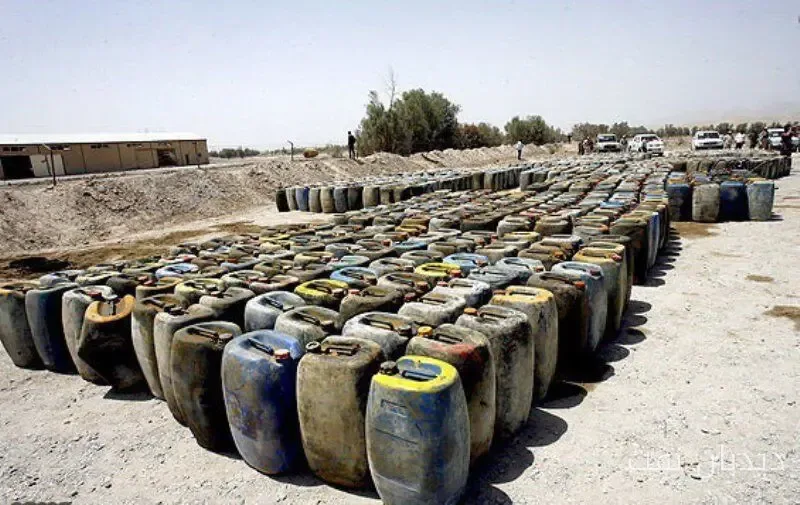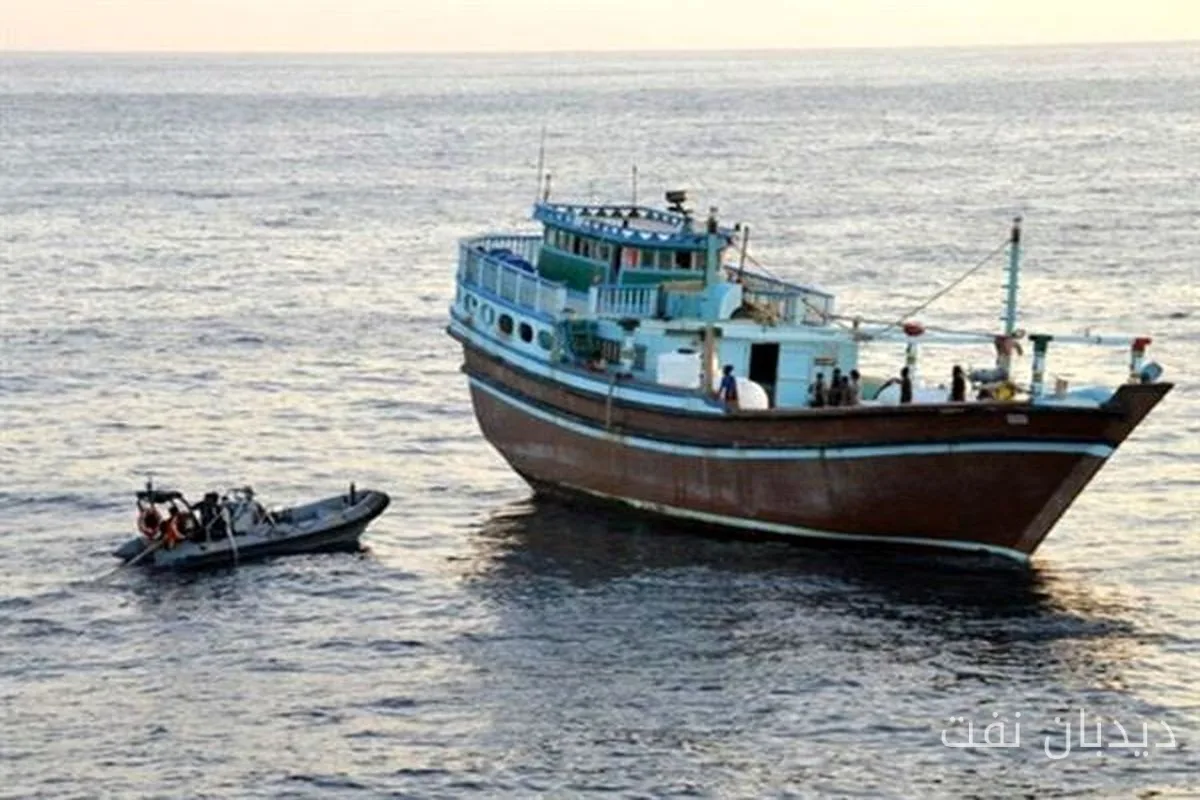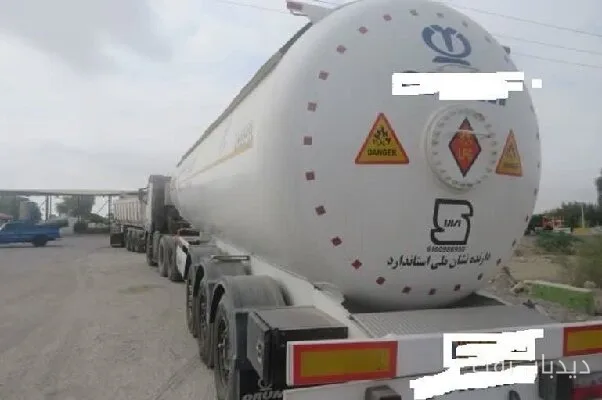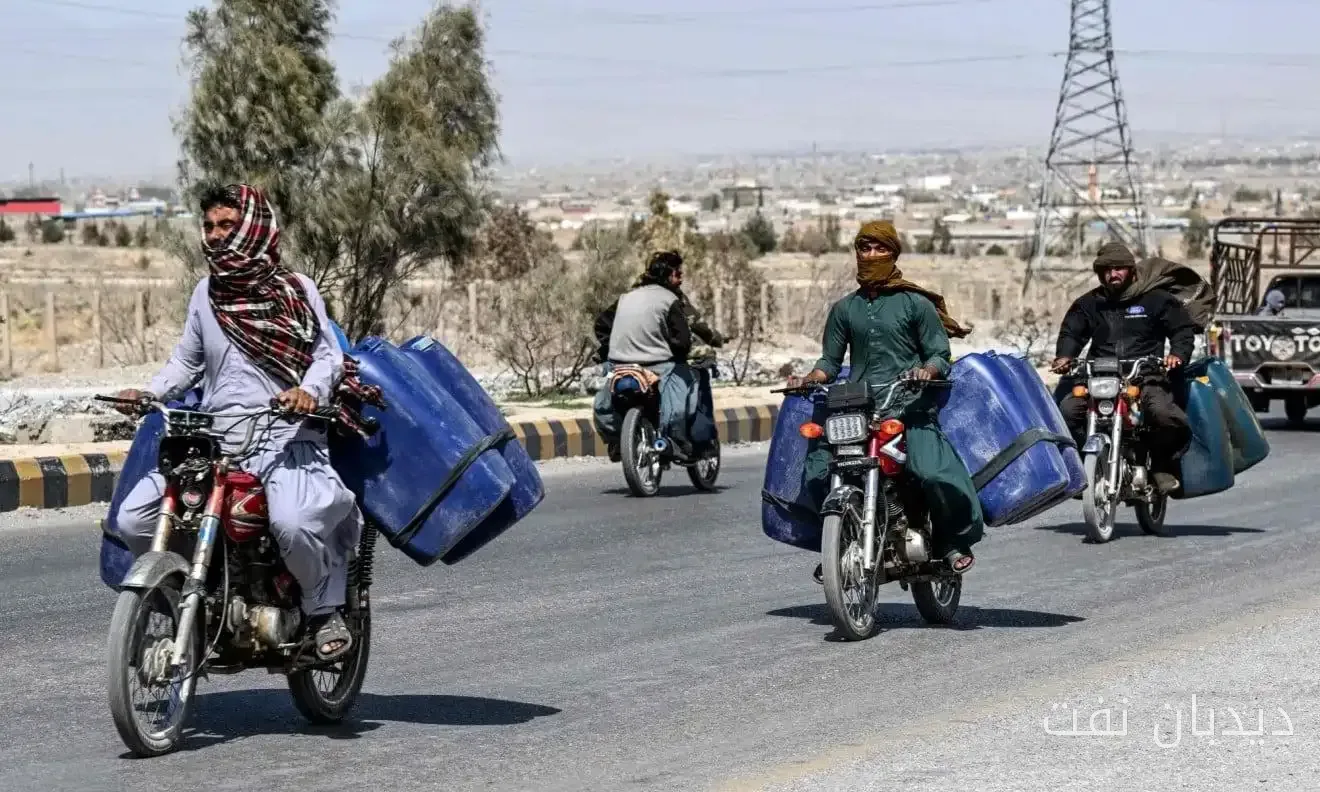
Tankers and smuggled fuel shipments at the Iran-Pakistan border have increasingly emerged as one of the serious challenges in this region. Large makeshift containers used for transporting and storing fuel are constructed without adhering to safety principles, posing serious risks including fuel leaks, fires, and explosions.
Risks from Smuggling Methods
These informal and dangerous methods not only exacerbate the smuggling of petroleum products but also endanger the lives of those involved and residents of the transit areas. According to unofficial statistics, over 35% of the fuel consumed in Pakistan is supplied through fuel smuggling from Iran. This statistic not only points to the economic dimensions of smuggling but also highlights Pakistan's heavy dependence on Iranian fuel.
Read more: Discovery of 80,000 liters of smuggled diesel in Khuzestan
Economic and Social Consequences
Fuel smuggling, due to lack of oversight and control, can lead to price increases and create instability in the fuel market. Additionally, these illegal activities can exacerbate corruption and distrust in government and executive institutions. The current situation indicates the need for serious and effective actions by the authorities of both Iran and Pakistan to address this issue.
This situation not only affects Pakistan's economy but can also exacerbate environmental and social problems. Given that the Iran-Pakistan border is one of the sensitive and strategic points, necessary measures must be taken to prevent fuel smuggling and ensure public safety.
Read more: Discovery of 66 tons of smuggled liquefied gas by Colonel Mohammad Ali Lakzaei in Dashtiari · Director General of Government Trading Regulations in Kerman Province: 75% of cases are related to fuel smuggling