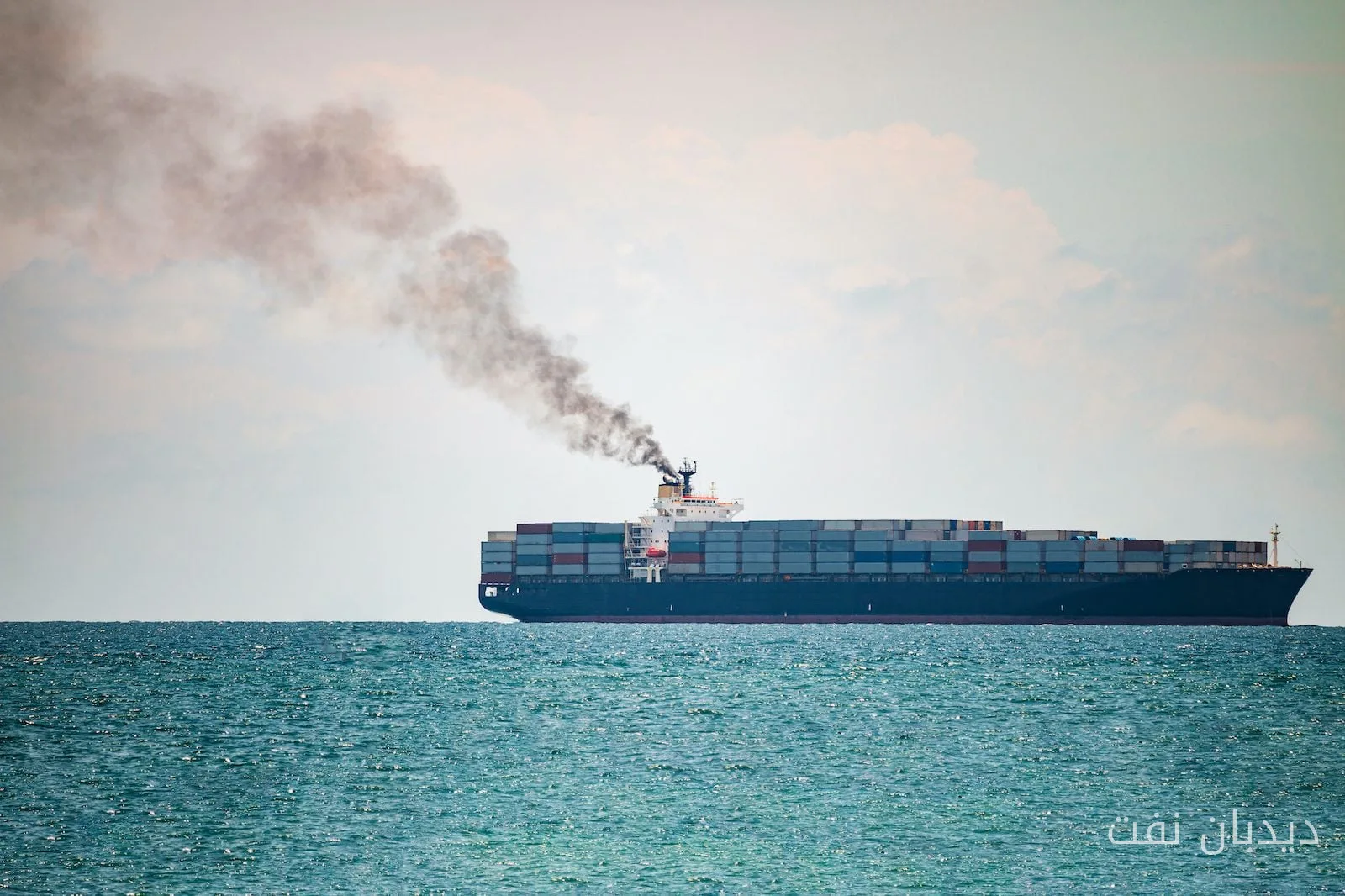
The International Maritime Organization (IMO) Net Zero Framework is currently recognized as a milestone in the maritime transport industry. This framework was provisionally approved at the MEPC 83 meeting in April 2025, but its formal adoption has been delayed and is now expected to be voted on December 4, 2026, following the MEPC 85 meeting. This delay is due to disagreements among member countries and the firm opposition of the United States.
Carbon Pricing and Its Impact on Fuel Choices
Recent research indicates that carbon pricing, particularly at the level of $380 per ton of CO2 equivalent, has a significant impact on the choice of marine fuels. In this scenario, the use of fossil fuels combined with carbon capture technologies is considered a cost-effective option. Generally, when carbon prices rise to $700 per ton, new fuels such as methanol and ammonia become economically viable options.
Regulatory Challenges and the Future of Novel Fuels
Regional regulations cannot replace global signals on their own. The European Union's carbon trading system and the FuelEU Maritime regulations cover only about one-fifth of international maritime energy consumption. As a result, ships continue to burn cheaper fuels. In this context, the European Commission proposed reforms to its ETS system on July 17, 2026, aimed at supporting the additional costs of low and zero-emission marine fuels.
Given the current situation, two fuels, namely electric ammonia and electric methanol, have been identified as the main candidates for long-term marine fuel supply. Each of these fuels has its own specific advantages and disadvantages. The production of electric ammonia is cheaper, but the associated transportation and storage costs can negate the price advantage. Methanol also requires a sustainable carbon source, with biogenic CO2 pricing being a determining factor in its costs.
The Impact of Legal Decisions on Biofuels
The future of ethanol heavily depends on legal decisions. Food-based ethanol, which is currently cost-competitive, may be affected by the FuelEU Maritime regulations that do not give it a positive advantage. If this approach is applied globally, the share of ethanol in energy supply will significantly decrease.
Studies show that the flexibility of dual-fuel engines is real, and based on recent tests, ships using methanol also have the capability to use ethanol. This feature allows ship owners to have more options against fuel market fluctuations. However, this flexibility may not favor new fuels, as owners may continue to burn cheaper fossil fuels.
Ultimately, this report has significant implications for anyone involved in chartering, building, or financing ships. Ordering a dual-fuel ship does not necessarily mean that new fuel will be used, and this is a key point for the future of the shipping industry.
Read more: Deputy Minister of Education: School Closures Have Little Impact on Energy Imbalance · GCMD and BCG Report: Developments in the Path of Marine Fuel Transition by 2050