Mohammad Sadegh Motamedian, the Governor of Tehran, referring to the capacities of the Imam Khomeini Airport Free Zone, announced the readiness for the gradual entry of 150,000 hybrid vehicles into Tehran Province. This plan will help manage fuel consumption, reduce pollution, and alleviate traffic in the capital.
The Necessity of Utilizing Production Capacities
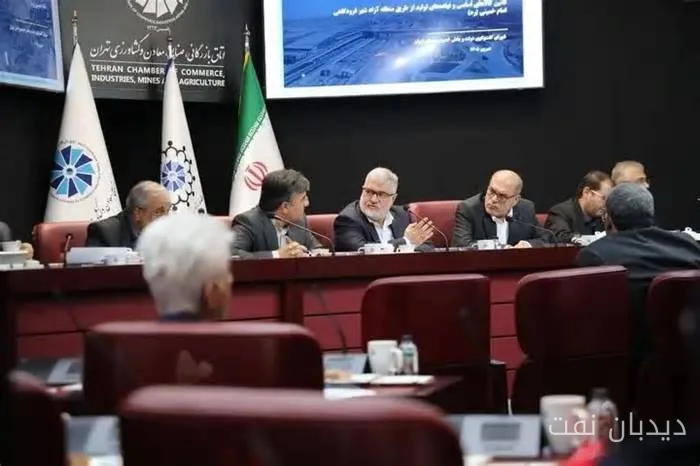
Motamedian emphasized the importance of utilizing existing capacities during a meeting of the Tehran Province Government and Private Sector Dialogue Council. He stated that there are several factories and production units in the province that, for various reasons, cannot utilize their full capacity. Identifying and removing the barriers to the operation of these units in collaboration with the private sector is essential.
Read more: Amir Reza Angaji's Analysis of the Delay in Economic Reforms in Iran
Export Development and Energy Management
The Governor of Tehran considered export development as the main mission of free zones and stated that using the capacities of the free zone for importing essential needs should not undermine the fundamental philosophy of establishing these areas. Motamedian also pointed to the necessity of managing energy imbalance and listed the sustainable energy supply for the residential sector as one of the government's priorities.
He proposed suggestions for reducing traffic and promoting remote work, referring to the government's corrective actions. Additionally, Motamedian emphasized the need to activate the Energy Committee of the Dialogue Council to gather views and suggestions from industry owners and economic activists for future planning.
Importing Public Transport Fleet
Motamedian further announced the provision of a framework for importing public transport fleets and clean vehicles, stating: "So far, importers have purchased 150,000 hybrid public transport vehicles with foreign currency sources, and these vehicles will gradually enter the province." This action can simultaneously impact three main challenges in Tehran: fuel consumption, air pollution, and traffic.
In conclusion, the Governor of Tehran stressed the need for transparency regarding the entry and employment of foreign labor and called for the identification of customs barriers and the holding of specialized meetings with relevant agencies. He emphasized that many import and export issues can be resolved through coordination between customs, the Chamber of Commerce, and economic activists.
Read more: Seyed Ismail Hosseini: The 1500 and 3000 Toman Gasoline Quotas Have Not Changed · Maersk Became the Largest Container Shipping Operator in Asia