In Abu Hamad, located on the banks of the Nile, once lush lands and fruitful orchards produced abundant dates, citrus fruits, and grains for the cities of eastern Sudan, including Khartoum and Port Sudan. However, today, these lands have transformed completely.
Destruction of Agricultural Lands
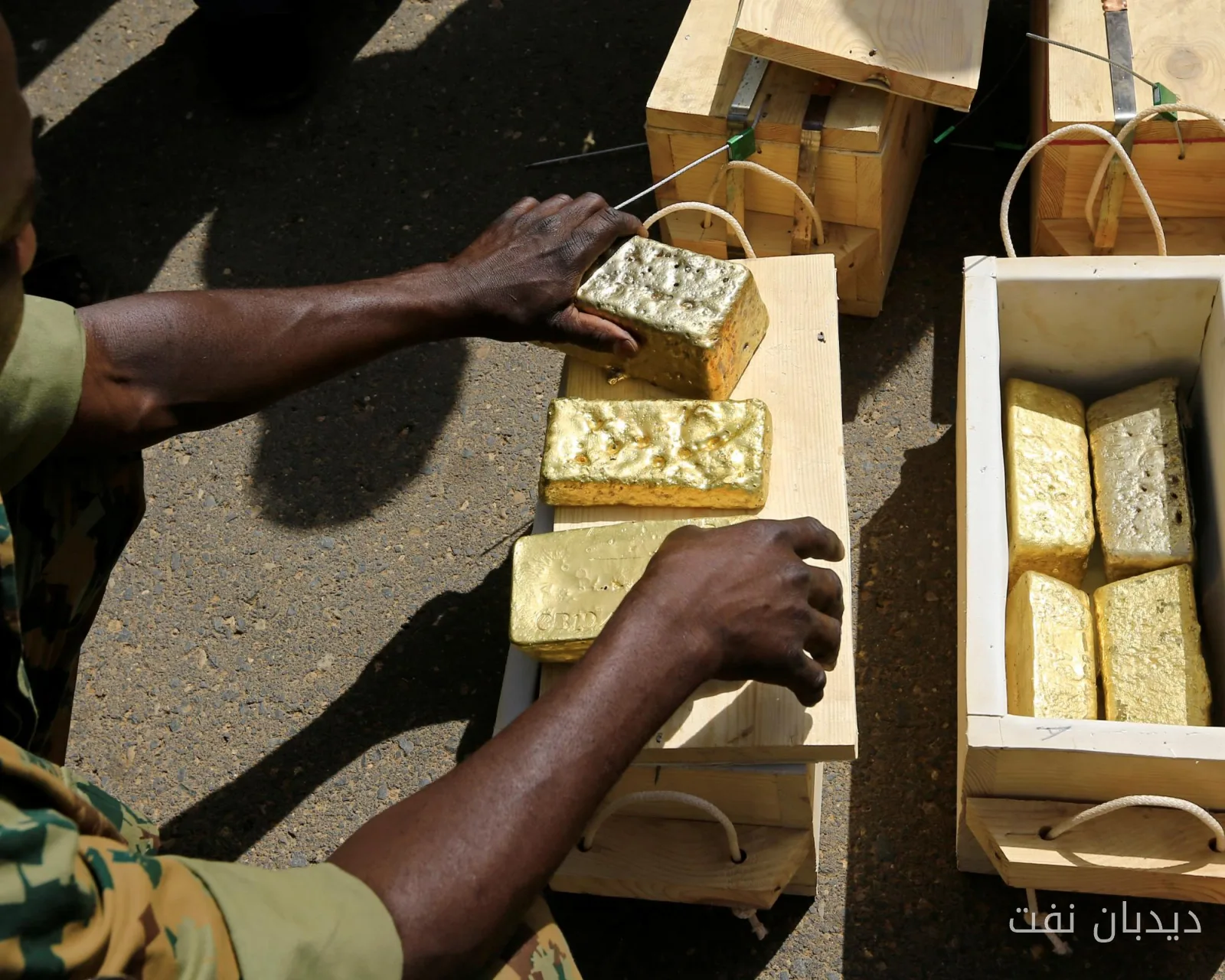
Trees have been cut down and agricultural lands cleared, replaced by shops and commercial centers instead of farms. Around this city, more than 700 gray waste hills can be seen, contributing to the pollution of soil, water, and air. These hills are the toxic remnants of traditional gold extraction that began around 2008 and has intensified over the past six years.
The boom in gold extraction has peaked due to war and poverty in Sudan, turning into a public health crisis. The chemicals used in the extraction process directly affect the soil and water resources, endangering the lives of the residents in these areas.
Social and Health Consequences
The residents of Abu Hamad and its surrounding areas are facing serious health challenges. Pollution from gold extraction not only impacts the land and water resources but also casts a shadow over the public health of the community. This public health crisis is a warning bell for the future of agriculture and food security in Sudan.
Given these conditions, the future of agriculture in Sudan is severely at risk. If this trend continues, not only will the food resources of this country be threatened, but the social and health problems arising from pollution could escalate into a larger crisis.