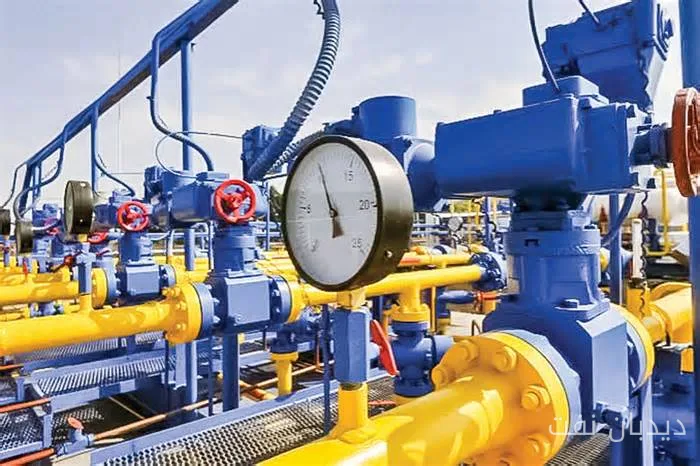
The Energy Commission of the Iran Chamber emphasized the necessity of changing energy policy and attracting private sector investment in the first six months of this year. The energy imbalance in Iran has transitioned from a temporary challenge to one of the structural issues of the country's economy. In such circumstances, continuing policy-making based on short-term solutions cannot meet the growing needs of the country.
Main Focus Areas of the Energy Commission
In the first six months of this year, addressing electricity imbalance, ensuring sustainable energy for industries, developing renewable energy, optimizing consumption, securing fuel, and removing financial and regulatory barriers to investment have been the main focus areas of the Energy Commission of the Iran Chamber. After reviewing investment capacities and the capabilities of the private sector, proposed solutions to address electricity imbalance in the summer of 1405 were submitted to the government.
Challenges of Investment in Renewables
Developing renewable energy is one of the important paths to increase electricity production capacity; however, investment in this area still faces obstacles such as financing, order registration, currency allocation, and connection guidelines to the grid. In this regard, efforts to eliminate tax penalties for renewable electricity producers due to issues with the implementation of taxpayer obligations were pursued in collaboration with the Renewable Energy Association, along with providing specialized insights from the private sector regarding the regulations and guaranteed purchase rates for solar, wind, biomass, and hydropower plants.
To solve the imbalance, the perspective on private sector investment must shift from a purely financial demand to an economic and policy solution. If the investment environment is transparent, competitive, and predictable, the private sector can take on part of the burden of developing energy infrastructure.
The Energy Commission of the Iran Chamber has also participated in reviewing regulations related to the seventh development plan, the energy optimization market, environmental issues, electricity consumption optimization projects, and energy optimization in buildings. Activating the private sector's capacity to address electricity imbalance, facilitating investment in renewables, and developing diverse financing tools are among the main demands of this commission.
The country needs a simultaneous policy package on both the production and consumption sides to sustainably overcome the energy imbalance; this means that on one hand, production capacity and investment should increase, and on the other hand, through optimization, demand management, and governance reform, consumption intensity should decrease.
Read more: Employment of Workers Affected by the Abadan Refinery Incident on Ahmad Midari's Agenda · 473 Trillion Toman Loss to Industry from Energy Imbalance in 1404