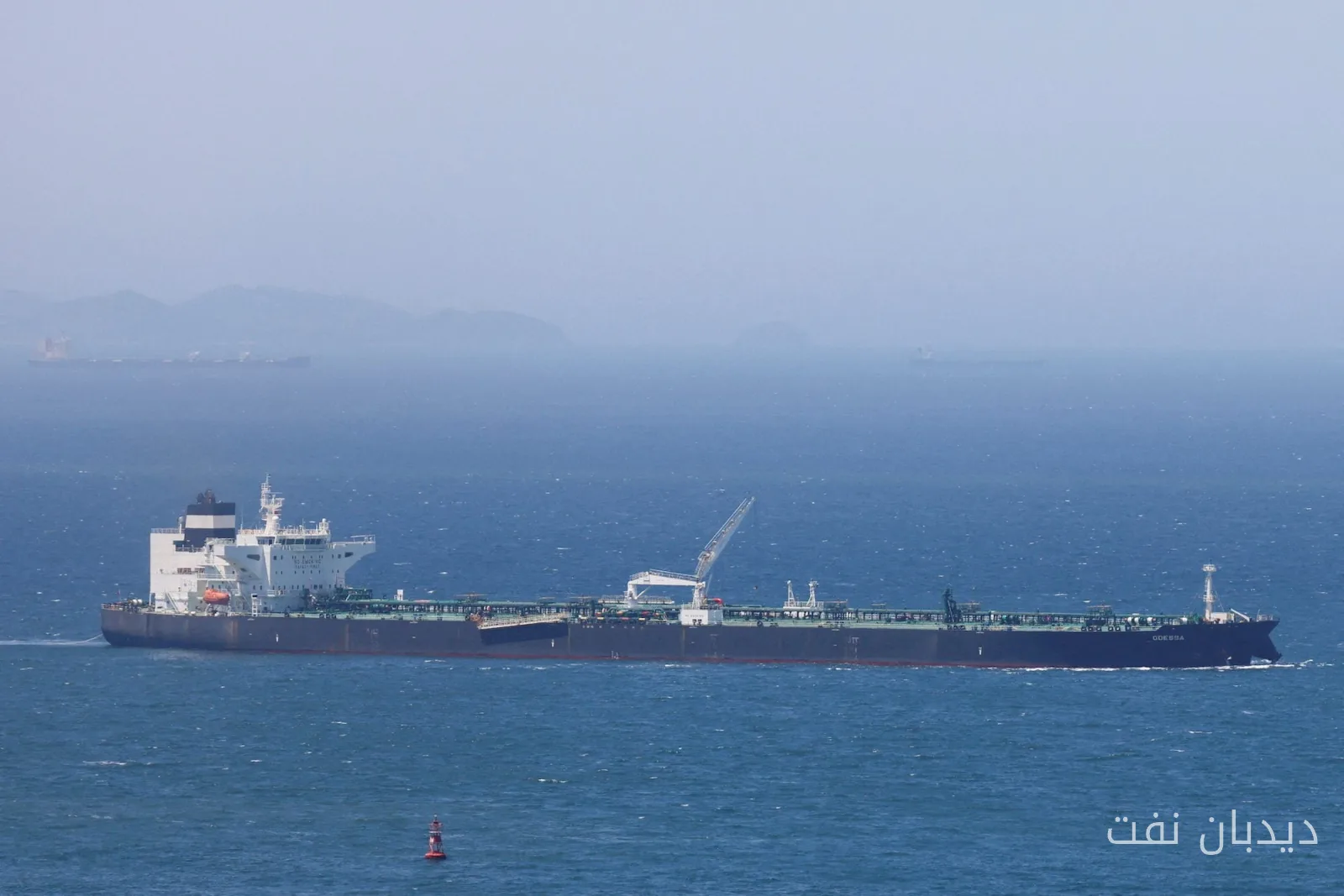
The cost of transporting crude oil from the Persian Gulf to Asia has reached over $37 per barrel, which is more than five times the pre-war level. This significant increase is due to a complex transportation network that maintains the flow of oil despite increased Iranian attacks in the Strait of Hormuz.
Increase in oil exports and transportation costs
Despite rising costs, oil exports from the Persian Gulf are currently exceeding pre-war levels. This indicates the high cost of maintaining energy flow from one of the most dangerous maritime transport routes in the world. According to ship tracking data, the average oil flow from the Middle East has reached over 24 million barrels per day in the week ending October 18, which is higher than the pre-war average of 23.3 million barrels per day.
Read more: The Ministry of Oil has launched a plan to identify emergency fuel cards
This improvement is due to an innovative transportation system that operates under U.S. military protection. This system includes expanded pipeline exports, short-term shuttle tankers through Hormuz, and maritime-to-maritime transfers in the Gulf of Oman. However, this costly system is inefficient and dangerous.
Factors affecting oil market changes
In a separate analysis published, transportation costs in September reached their highest historical level, and this trend continued into October. The cost of transporting oil from the Persian Gulf to Asia exceeded $37 per barrel in mid-month. For a Very Large Crude Carrier (VLCC) that carries 2 million barrels, this means over $74 million in transportation costs for a single shipment, whereas this figure was less than $15 million before the conflict.
This increase represents a fundamental shift in how oil moves from the Persian Gulf. Before the war, nearly 17% of the region's crude oil exports bypassed the Strait of Hormuz. But by September, this share had increased to 40% as Saudi Arabia and the United Arab Emirates increased the use of pipelines to export terminals outside the strait.
At the same time, tankers continue to make dangerous journeys through Hormuz, generally moving in a corridor close to the shores of Oman under U.S. military protection, and then transferring their cargoes to other ships for delivery to international markets. Despite improvements in overall exports, the flow of oil through Hormuz, including maritime transfers, remains about 82% of the pre-war level.
The transportation system has become increasingly resilient despite the rise in attacks. In October, about 30 attacks on ships were recorded. These risks have created extraordinary financial incentives. It is estimated that traders can earn about $20 per barrel for reselling Iraqi crude oil compared to pre-war levels, while some sailors receive high-risk incentives for making these journeys.
The result of this situation is a market where oil moves in larger volumes but at a significantly higher cost for transport companies, refining, and ultimately consumers.
Read more: Sundagas revives the Chuditch gas project in Timor-Leste with a 12-month extension · Deployable Energy receives the SHIPPINGInsight 2026 Innovation Award



