The closure of the East-West pipeline in Saudi Arabia, which has been suspended due to recent drone attacks, has challenged the security of oil supply to Europe. This pipeline, with a daily transportation capacity of 4 to 5 million barrels of oil, is one of the most important export routes for Saudi oil and has been taken offline due to attacks by Iran-backed groups in Iraq and the Houthis.
Details of the Pipeline Closure
The Saudi Ministry of Energy announced the precautionary closure of the pipeline on September 10, following the attacks. This pipeline was designed as an alternative route to bypass the closure of the Strait of Hormuz, through which 20% of the world's oil and gas passes. With the Strait of Hormuz blocked since the onset of military attacks on Iran on February 28, this pipeline has played a key role in maintaining Saudi oil exports.
Read more: Delegation of Authority for School Closures to Education
Impact on European Refineries
Following the pipeline closure, European refineries have been forced to reconsider their crude oil supplies. The Argus energy pricing agency reported on September 15 that at least three refineries in Europe have canceled or postponed their oil shipments scheduled for late September. For instance, Poland's Orlen, one of the largest oil buyers, has purchased 16 additional shipments from Norway, the UK, Algeria, and Kazakhstan to meet its refineries' needs until the end of October.
Refineries are currently facing challenges due to their specific designs for processing certain types of crude oil. According to Jun Guo, senior oil market analyst at Sparta Commodities, replacing Saudi barrels may be costly and require readjustments in refinery operations.
Economic Consequences and Prices
Disruptions in oil supply due to the pipeline closure may affect prices in global markets. Brent crude oil prices have risen above $113 per barrel due to increased supply risks. Analysts estimate that around 3.5 to 4 million barrels per day are at risk, and this gap may lead to price increases.
In this situation, European countries are trying to mitigate the impact of rising diesel prices, which are directly felt at gas pumps following the closure of the Saudi pipeline. The severity of the crisis depends on the state of energy infrastructure and Saudi Arabia's ability to restore the pipeline to normal capacity.
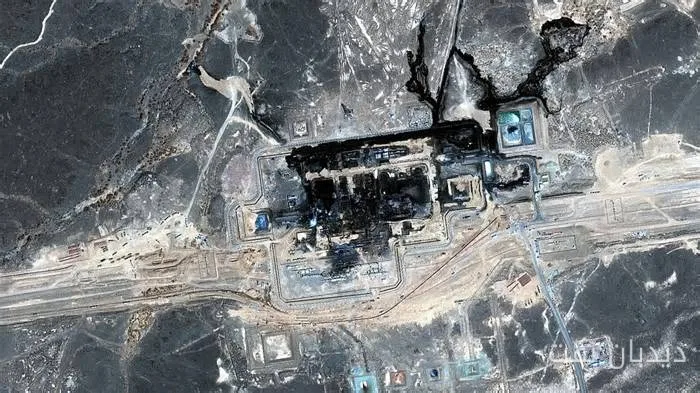
Reports indicate that minor damages to the pipeline have been repaired, but the reconstruction of damaged pumping stations may take up to six weeks. Saudi Arabia has stated that it expects to recover half of the pipeline's capacity in the coming days, but this infrastructure may still face new attacks.
Read more: Hornbeck Offshore Secures Multi-Year Decommissioning Contract in the North Sea · Iranian Tanker Shipment Under Sanctions