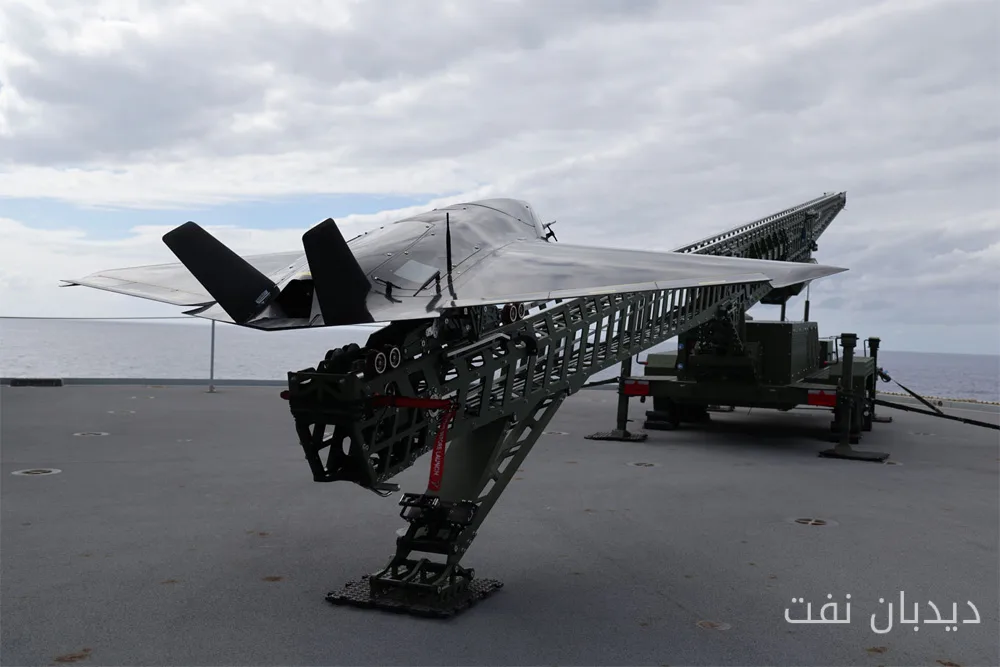
The British Navy conducted the first launches of unmanned drones from the deck of the HMS Queen Elizabeth aircraft carrier last month. These tests took place in mid-October in the North Atlantic using one-way Nyan Maritime drones produced in Wiltshire by Callen-Lenz. The tests demonstrated how autonomous attack systems operate alongside F-35B stealth jets.
Details of the Tests and Collaborations
The British Navy announced that these tests were conducted in collaboration with experts from the armed forces and industry. Multiple flights were carried out from the HMS Queen Elizabeth, following the first drone launch at sea from the test ship XV Patrick Blackett earlier this year. Concurrently with these tests, the carrier also hosted the Heavy Lift Challenge 3, where a Tekever AR5 unmanned aircraft was launched from a carrier for the first time. This drone has a wingspan of 7 meters and a payload capacity of 80 kilograms, and can be used in logistical and operational missions.
Read more: Purchase of the First Electric Hydrofoil Boat in Long Beach Harbor
Implications and Future of the Navy
The British Navy has reported that these tests represent another step towards this force's advanced approach to aerial battles from an aircraft carrier known as the “Combined Helicopter.” This approach involves combining manned aircraft and drones to enhance the range, lethality, and flexibility of the carrier while keeping personnel away from dangers. These tests have developed a better understanding of how unmanned attack systems can participate in future Carrier Strike operations and broader defensive activities.
The UK Ministry of Defence has emphasized that a defense investment plan of over £5 billion for autonomous systems is being proposed by 2030, which is the largest investment in drones in the history of British defense. This plan includes nearly £250 million for the Pantheon project, which focuses on developing autonomous systems to create a combined helicopter, and also includes testing jet-powered drones for collaboration with the F-35B force. Additionally, the Ministry of Defence has planned to invest at least £1.3 billion in a combined fleet of manned and unmanned ships, with the hope that the first large autonomous vessels will enter service by 2030.
Read more: Beginning of Builder Tests for USS Harrisburg by Ingalls Shipbuilding · Monitoring Unauthorized Use of Drones at Singapore Port