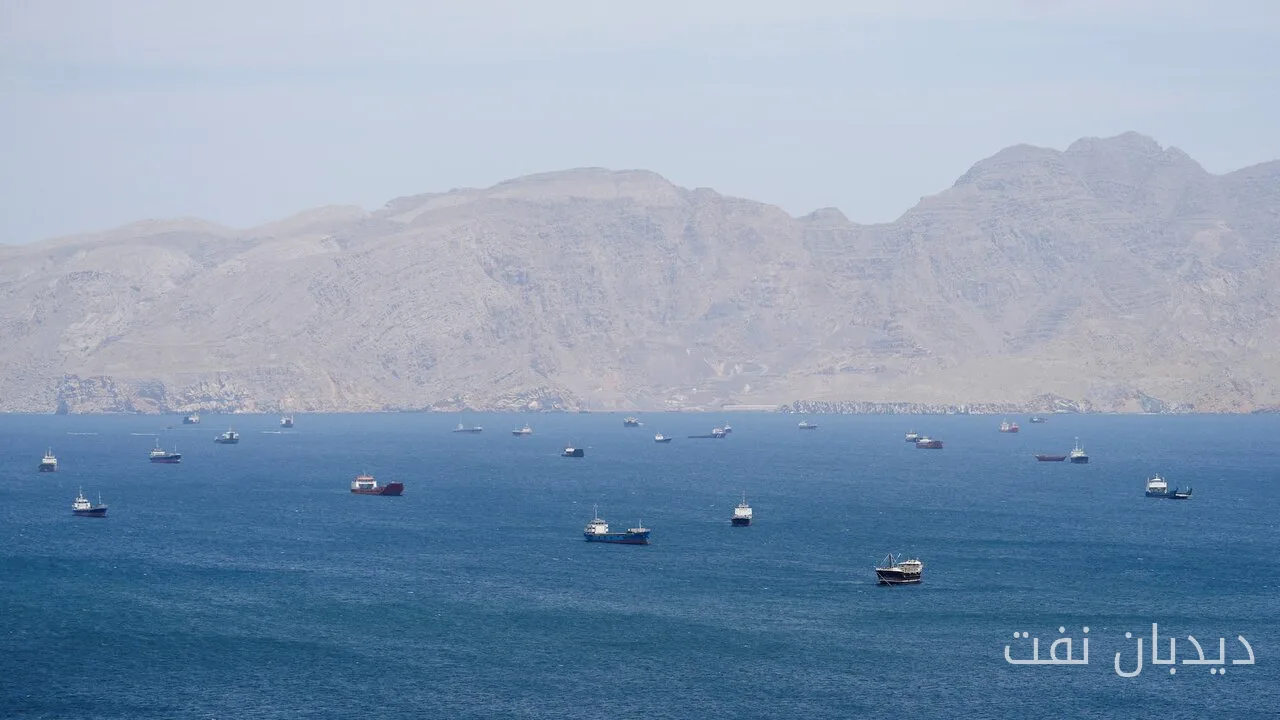
Tehran has announced its plans to target submarine cables in the Persian Gulf following recent threats from American and Israeli officials. Yadollah Javani, the political deputy of the Islamic Revolutionary Guard Corps, warned on October 21, 2026, that seven main internet cables in the Strait of Hormuz could be targeted if there is an attack on Iran's infrastructure.
Details of the Threatened Cables
Two senior security officials from Iran also stated to the media on October 23 that Tehran has developed plans to target the submarine communication cables in the Persian Gulf if attacks by the United States and Israel resume. However, no specific information about the seven mentioned cables has been released.
Research by the "TeleGeography" company indicates that three active communication systems pass through the Strait of Hormuz. These systems include "FALCON," "Asia-Africa-Europe 1," and "Gulf Bridge International." Damage to these cables could affect the internet communications of Gulf countries.
Importance of Submarine Cables
The "FALCON" cable is one of the international submarine communication systems in the region, connecting to the global communication network through coastal stations in Bandar Abbas and Chabahar. This system is important for communication operators and companies, and damage to it could reduce communication capacity.
The "Asia-Africa-Europe 1" (AAE-1) system, with a length of about 25,000 kilometers, connects Asian countries to Europe via the Middle East and North Africa. This system has connection stations in several countries, including Oman and the UAE.
The "Gulf Bridge International" (GBI) system has also been developed to enhance international communications for Gulf countries. Disruption in this system could affect the communication capacity of operators and customers.
Submarine cables are recognized as the backbone of data communications between countries and continents. According to statistics, about 99 percent of the world's internet traffic is transmitted through these cables, although the share of the Strait of Hormuz in this traffic is much lower.
Alan Mauldin, the director of research at TeleGeography, stated that less than one percent of international communication bandwidth passes through the Strait of Hormuz. Therefore, damage to the cables passing through this passage may not cause widespread disruption to global internet, but it could affect the communications of countries in the region.