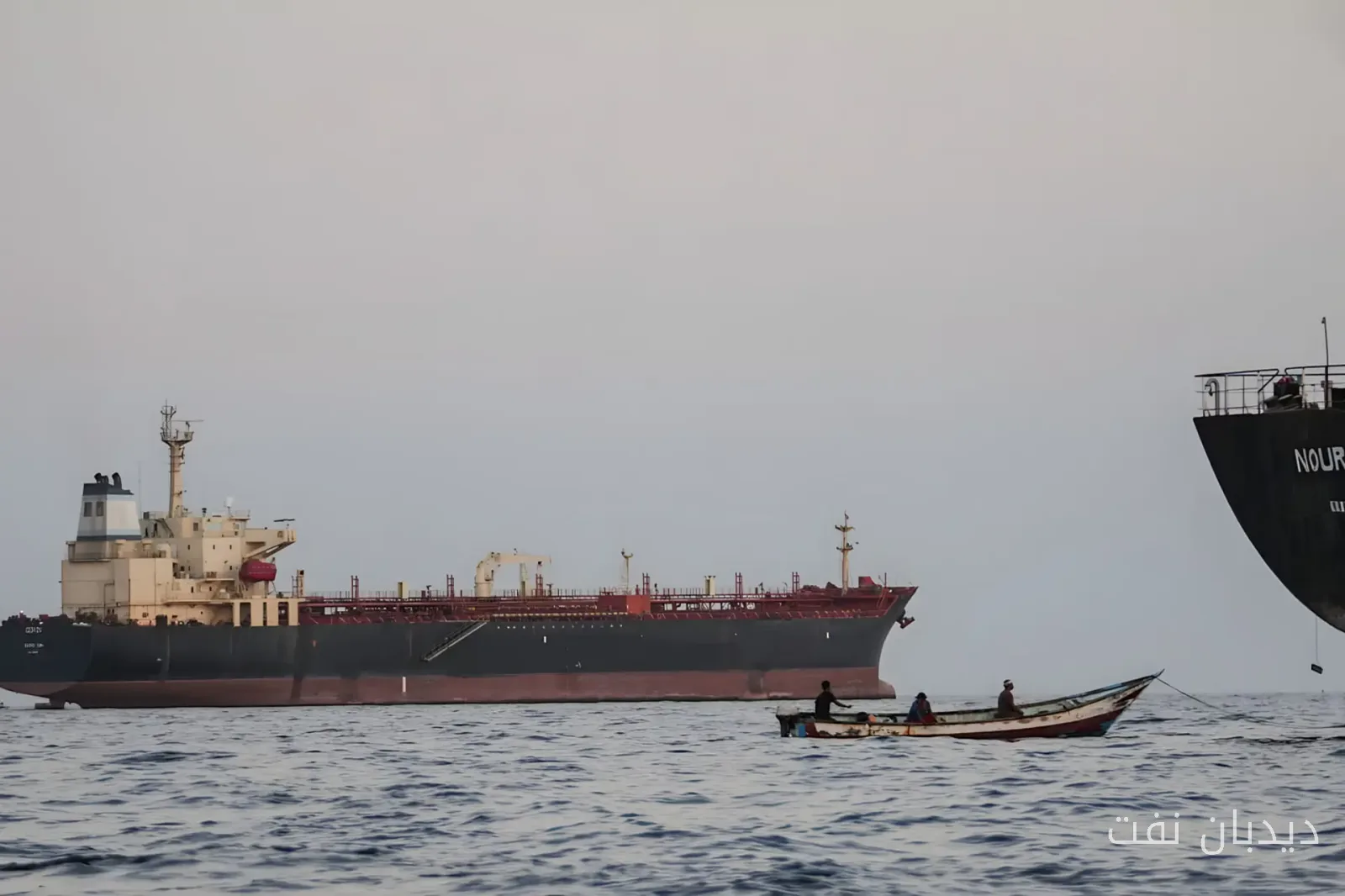
Tankers in the Strait of Hormuz have reached 80% of pre-war export levels. While the cost of transit and the risk of escalating attacks have kept the market volatile, the United States appears to have more control over this strategic route as a key player in these equations.
Oil Exports and Price Impact
Although a few months ago, the increase in oil exports was considered a major achievement for the United States, the price of Brent crude oil remains high at over $100 per barrel. This situation has created new challenges for the Donald Trump administration. The $100 mark has become a benchmark for assessing Trump's success or failure in the oil arena. Current oil prices can influence investor behavior, and it seems that crossing this threshold will have negative consequences for the U.S. government.
Read more: Abbas Araghchi: The reopening of the Strait of Hormuz is conditional on accepting Iran's terms
Developments in the Strait of Hormuz
The Strait of Hormuz, through which about 17 million barrels of crude oil pass daily, was completely blocked at the beginning of the war, forcing exporters to use alternative routes. In mid-March, oil exports fell to 25% of normal levels, dropping to less than 4.5 million barrels per day. However, last week, according to Vortexa data, crude oil shipments reached the highest level in the past six months at 14 million barrels per day. This figure indicates an increase in tanker traffic in the region.
However, challenges still persist. The shortage of refined products, especially diesel, remains one of the biggest issues in the oil market. Shipments of gasoline, diesel, and jet fuel have only reached 50% of normal levels, while the transportation of refined products is more expensive than crude oil. Additionally, some refineries along the Persian Gulf that were targeted in attacks have not yet returned to full operation.
Ultimately, the oil market is in a state of waiting and watching. Iran's entry into negotiations could significantly lower prices, but an escalation of attacks on energy infrastructure is likely to dramatically increase oil prices.
Read more: South Korea's $50 billion investment brings the Alaska LNG project closer to construction · CEO of Iraq's Tanker Company: We passed two million barrels of oil through the Strait of Hormuz



