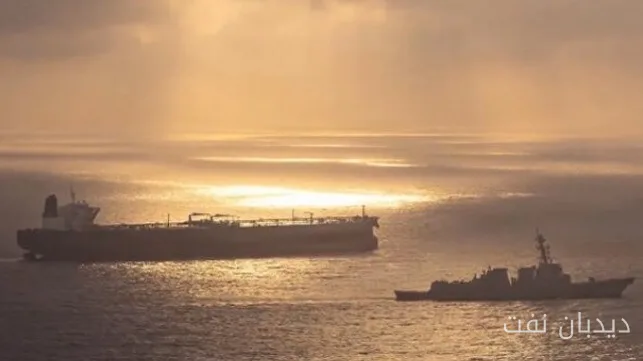
The Strait of Hormuz, as one of the most important international energy transit corridors, carries about one-fifth of the world's oil on average. This route is recognized not only as an economic corridor but also acts as a geopolitical lender that can have widespread impacts on global markets.
Energy Crisis and Its Effects on the Global Economy
Disruption in the Strait of Hormuz can lead to energy crises, the effects of which extend beyond the energy sector to financial and social realms as well. Reports from the International Monetary Fund indicate that these disruptions typically lead to increased energy prices, inflationary pressure, and imbalances in supply chains. In times of crisis, governments implement extensive fiscal and monetary policies to manage the effects of this shock.
Read more: Farshad Ebrahimpoor: Independence and Local Capacities Have Shaped Iran's Power
Government Responses to the Energy Crisis
After the escalation of the crisis in the Strait of Hormuz, various countries took measures such as financial support, changes in pricing policies, and tax reforms to manage the effects of rising energy prices. These widespread reactions indicate that energy security is no longer just an economic issue but is closely intertwined with national security. Rising energy prices can increase the cost of producing goods and services, consequently raising social and economic pressures in countries.
In this situation, managing the energy crisis becomes one of the main priorities of public policy. Governments must balance maintaining economic stability and supporting households. This challenge becomes particularly serious for countries with limited financial and foreign currency reserves.
Ultimately, the Hormuz crisis is seen not only as a challenge for energy security but also as a test for economic policies and the ability of governments to manage crises. Countries with higher levels of economic resilience will have greater capacity to cope with these shocks.
Read more: Reduction of Pressure in the Shipping Industry and Increase of Transit Capacity in the Panama Canal · Attack on the Kuwaiti Oil Tanker Kazimah III in the Strait of Hormuz and Disruption of Yanbu Loading Operations