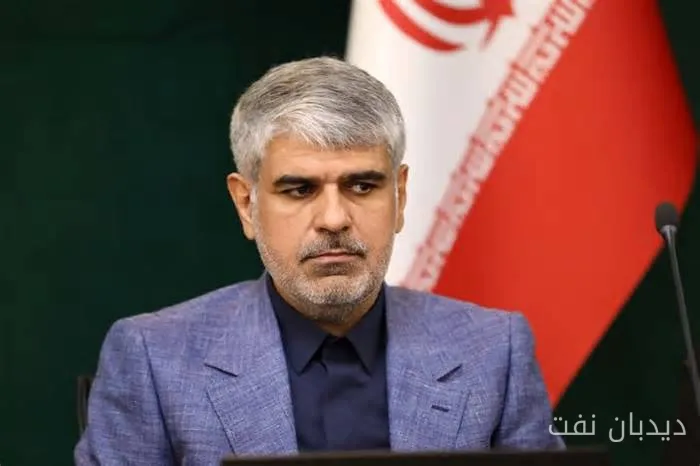
Farshad Ebrahimpour, in an interview with Mehr News Agency, referring to the Supreme Leader's emphasis on Iran's position in global power calculations, stated: The Islamic Republic of Iran has faced a series of political, economic, security, military, cultural, and media pressures for nearly five decades, yet during this period, the country has also progressed in various scientific, technological, defense, industrial, and infrastructural fields.
Maintaining Independence and Local Capacities
Ebrahimpour continued: The Iranian nation has faced imposed wars, sanctions, and external pressures over the years while striving to maintain its political independence and local capacities. However, stating the country's achievements should not mean ignoring existing problems. People are facing economic, livelihood, and social issues, and officials must work to resolve these matters.
Read more: Britain Imposes New Sanctions on Eight Russian Ships
Social Cohesion and National Unity
A member of the Islamic Consultative Assembly's board of directors emphasized that what has been important over these years is not merely the ability to manufacture equipment or develop certain technologies, but also the continuity of the national will to maintain the country's independence and territorial integrity.
He pointed to the role of social cohesion and national unity during critical periods, stating: Iranian society has shown throughout various historical moments, especially during times of war and external threats, that it can reach broad commonalities around fundamental issues such as preserving the country, territorial integrity, and national interests.
Ebrahimpour stressed: National unity does not mean that the political and social views of the people are identical, but rather that despite differing viewpoints, society should have common ground on fundamental issues and national interests and be able to defend its country against external threats.
He further referred to the country's scientific and technological advancements, adding: The development of academic capacities, the growth of knowledge-based companies, and progress in certain scientific and technological fields are part of the capacities that have been created in the country over the past decades.
The representative of the people of Izeh and Bagmalek in the Islamic Consultative Assembly stated: A precise assessment of the country's progress requires comparing today's situation with past conditions while simultaneously considering both achievements and shortcomings. We should not deny the country's problems, but conversely, ignoring the capacities that have been developed over these years does not provide an accurate analysis of Iran's reality.
Ebrahimpour also referred to recent security developments and wars in the region, saying: Recent developments have shown that defensive and deterrent capabilities are important components of Iran's national security, and the Islamic Republic has made significant investments to create defensive capacities and enhance its responsiveness to threats.
Read more: DOF Signed a New Contract for Underwater Operations with I-Class Ship · Britain Imposed New Sanctions on Russian LNG Tankers



