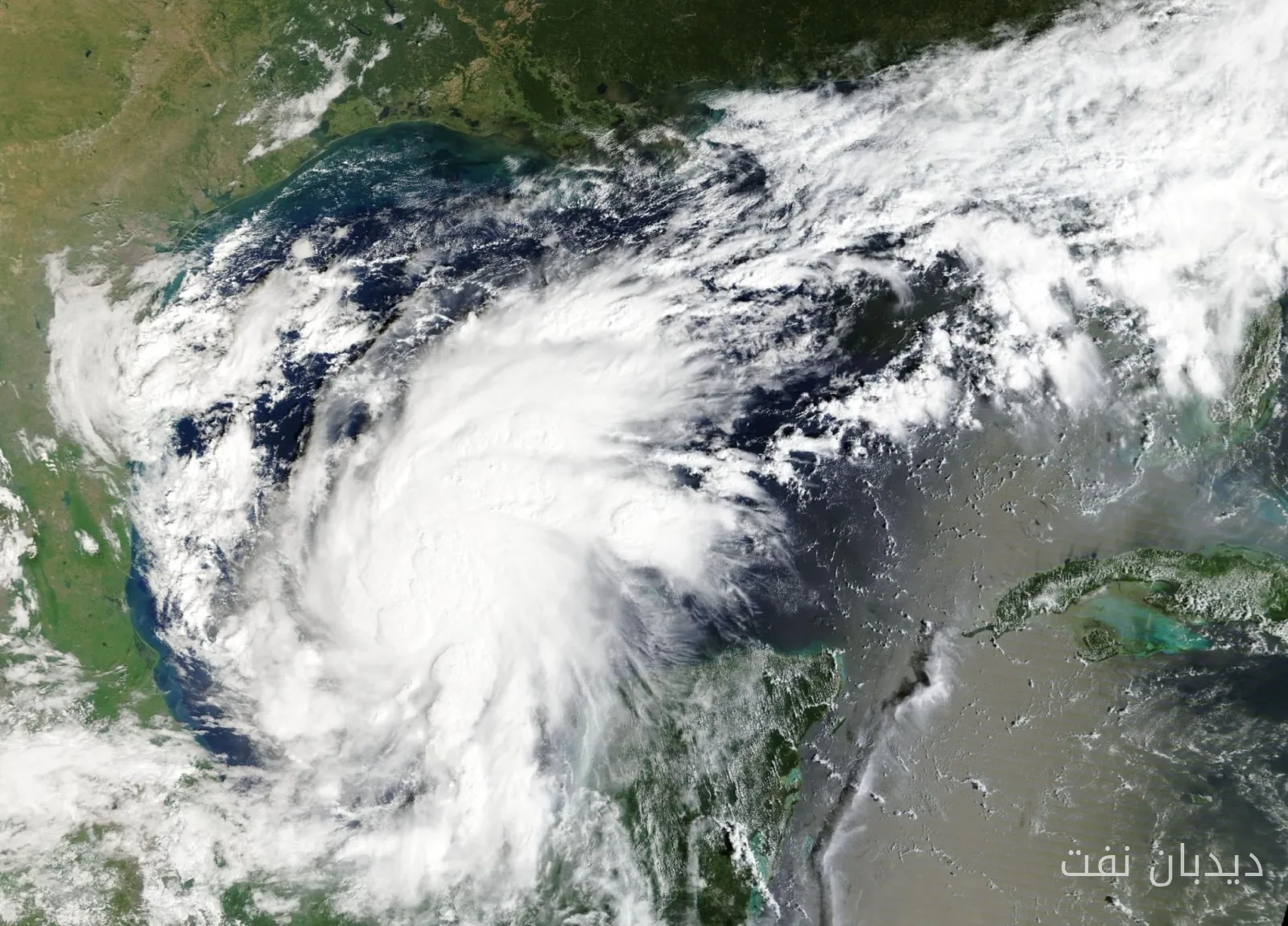
Storm Estias is rapidly strengthening and moving towards the Gulf Coast of the United States. It is predicted that this storm will reach hurricane strength by the time it makes landfall near the Florida coastline. The storm's likely path will be close to the oil and gas infrastructure of the United States, and its effects will be felt in the form of evacuations and shutdowns of wells in the area.
Details of Storm Estias and Its Effects
In the latest update from the National Hurricane Center, the intensity of Storm Estias is estimated to be around 55 knots (about 102 kilometers per hour) and is expected to reach 95 knots (about 176 kilometers per hour) before making landfall. According to forecasts, strong winds and dangerous waves could pose a threat to residents in this area. It is expected that storm surge levels in some coastal areas of Mississippi and Alabama could reach 7 feet and 5 feet along the Florida coastline.
Read more: SFL Company Sells Tanker Cargo to Trafigura
Impacts on Oil and Gas Production
The area under storm warning includes a large portion of the U.S. shipbuilding industry. As a precaution, oil wells that account for about 25 percent of Gulf oil production and 16 percent of the region's gas production have been shut down. This shutdown temporarily removes about 500,000 barrels per day from global production. This situation also adds to previous disruptions in the oil market caused by conflicts in the Middle East.
Due to conflicting blockades in the Strait of Hormuz and the Red Sea, the delivery of new oil is significantly lower than global demand, leading to a decrease in commercial and strategic reserves. Estimates suggest that the average rate of decline in global oil reserves in the third quarter has been about two million barrels per day.
Read more: Attacks on Tankers in the Strait of Hormuz Reach Highest Weekly Level · Gulf Crude Oil Exports Reach 14 Million Barrels Per Day



