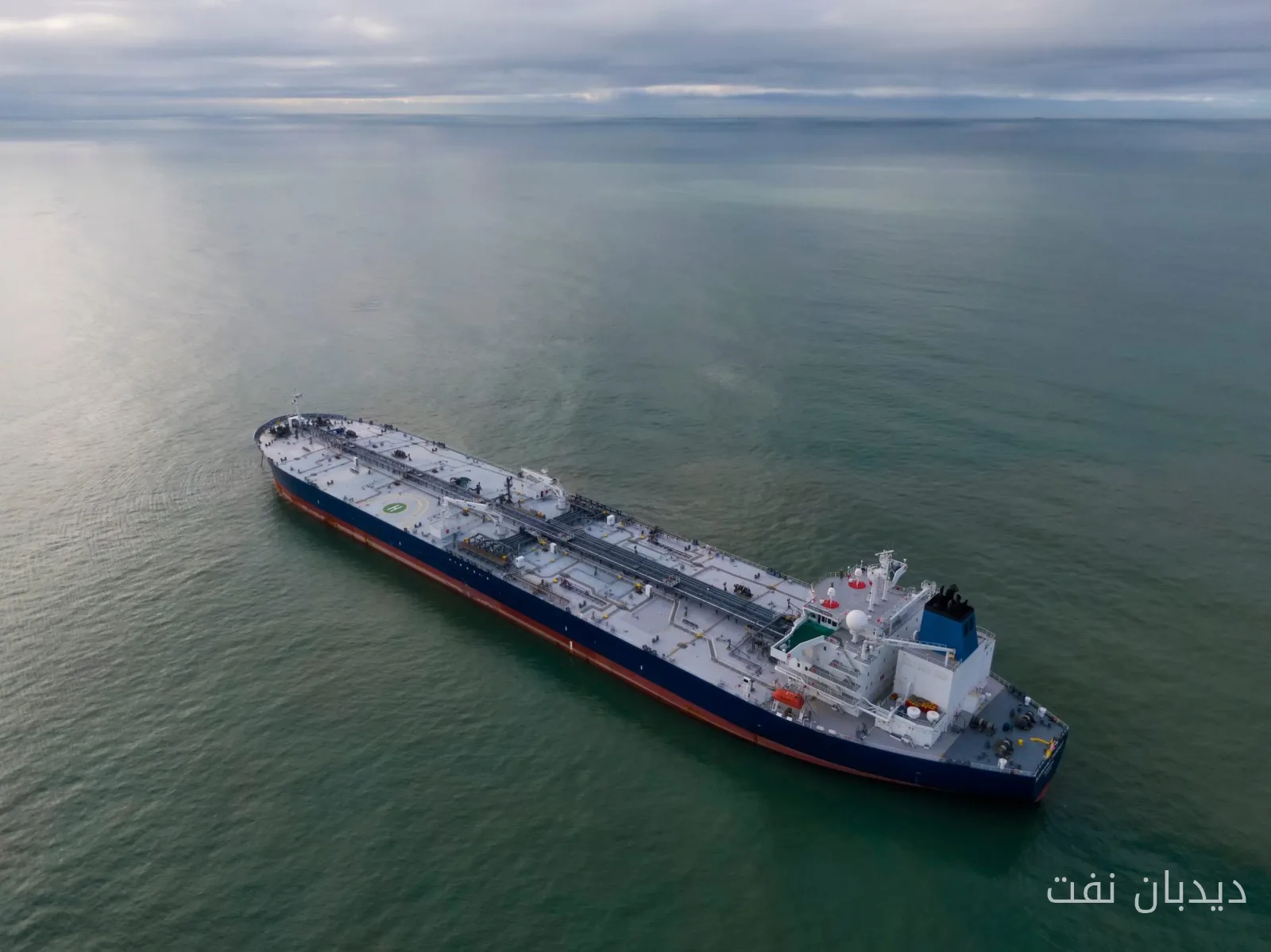
Sinokor Group, owned by South Korean billionaire Ga-Hyun Chung, showcased its dominance in oil transfers in the Strait of Hormuz by transferring 105.6 million barrels of crude oil in September 2026. This information was obtained through the analysis of ship tracking data and other information sources, indicating that this group accounted for the highest volume of oil transferred compared to other ship owners.
Details of Oil Transfers in September
According to the analyses, Sinokor Group accounted for nearly 40 percent of the total oil transferred from the Strait of Hormuz in September alone. Its three main competitors, including the Saudi National Shipping Company (Bahri), Kuwait Oil Tanker Company, and the shipping unit of the Abu Dhabi National Oil Company, collectively transferred 97.3 million barrels of oil during the same period. This statistic clearly demonstrates Sinokor's superiority in this field.
Read more: Oil price rises to $113 and its impacts on the global energy market
History and Current Trends
Sinokor Group quickly gained fame in the oil transfer industry since the onset of the Iran war. The group created a significant fleet for transporting oil during this period by purchasing or leasing large ships. With the near closure of the Strait of Hormuz, oil producers heavily relied on these vessels and paid very high rental rates to avoid insufficient storage and costly shutdowns.
As crude oil exports in the Gulf improved and returned to levels close to pre-war, Sinokor Group remains one of the most active owners in the shuttle trading business. The group's ships regularly make short trips to load oil from within the Gulf, passing through the Strait of Hormuz and unloading at ship-to-ship transfer points in the Gulf of Oman. Ship tracking data shows that these vessels are also involved in transporting oil from Saudi Arabia, the United Arab Emirates, and recently Iraq and Qatar.
Read more: Angola's deep oil project reaches 50 percent completion · Member of the Iranian Chamber of Commerce Board: Iran's exports are in a paradox