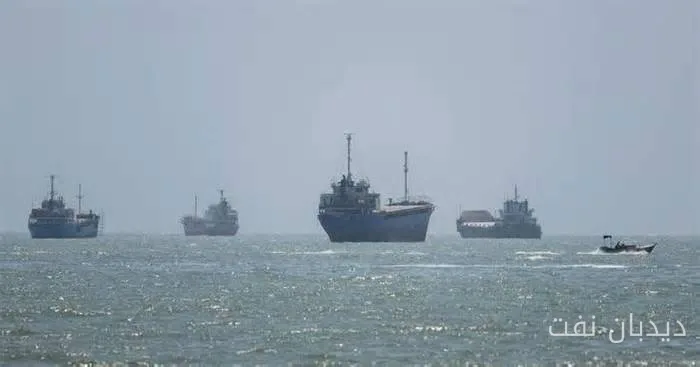
Trackable ship traffic in the Strait of Hormuz has significantly decreased. This decline in traffic occurs while Saudi Arabia has repeatedly requested military assistance from the United States to confront the Iran-backed Houthis.
Military and Political Dimensions of Saudi Requests
In the past two weeks, Saudi Crown Prince Mohammed bin Salman has made two phone calls to U.S. President Donald Trump, asking Washington to attack Houthi positions. However, Trump has rejected these requests. These decisions could lead to significant changes in the balance of power in the Middle East.
Read more: GLO Marine aims to achieve 50 million euros in revenue by 2030 through expansion in the Middle East
According to informed sources, Trump has met with his advisors in recent days and stated that he is not in favor of attacking the Houthis. However, after bin Salman’s call on September 17, the U.S. President asked the Pentagon to prepare for airstrikes against the Houthis. This shift in position reflects political and military pressures on the United States.
Consequences of Reduced Ship Traffic
Given the current situation, commercial and oil tanker traffic in the Strait of Hormuz has significantly decreased. This change could create further disruptions in the global energy market. The Houthis have been at war with the internationally recognized Yemeni government, supported by Riyadh, since 2014, and after a ceasefire in 2022, these conflicts have intensified again.
The Houthis recently announced that they have begun a maritime blockade of Saudi Arabia, which has fueled regional tensions. They have also seized important areas near the Bab-el-Mandeb Strait, which could have serious implications for shipping and maritime security.
Currently, U.S. officials are doubtful about the capabilities of Yemeni forces, and there are concerns about entering this conflict. Thus, the current situation could have significant consequences for the future of regional security and the energy market.
Read more: Masoud Pezeshkian's government faces serious challenges in fulfilling promises · New sanctions on Iranian oil tankers in the Strait of Hormuz and the Red Sea



