The port reforms in Nigeria, which have been continuously carried out between the government and the private sector over the past decade, have led to tangible improvements in the country's port operations. These reforms have not only contributed to transparency and predictability in port activities but have also facilitated better interactions between government entities and stakeholders.
Development of Standard Procedures and Compliance Monitoring
In this regard, the project steering committee and the "Nigerian Port Process Manual" (NPPM) have helped establish a solid foundation for transparent and efficient port operations by providing coordinated Standard Operating Procedures (SOPs). Tangible achievements include increasing the complaint resolution rate to 98% and reducing the time to resolve cases from 7-10 days to 1-8 hours.
These results indicate that with proper readiness and support, operational challenges can be resolved quickly and effectively. The focus now is on the future: building on these achievements, institutionalizing reforms among agencies, and ensuring that progress is consistently reflected in the experiences of port users.
Emphasis on Inter-Organizational Collaboration
In September, during a week-long field meeting, government entities and private sector stakeholders met to review progress, strengthen collaborations, and identify actionable steps for continuing Nigeria's port reforms. These interactions particularly emphasized the need to enhance the implementation of SOPs and NPPM, as well as to expand data sharing and capacity building.
In this context, establishing a common framework for clearer processes, greater stability, and higher standards in inter-organizational collaboration is very important. The current goal is to ensure the practical implementation of these standards and continuous monitoring of them.
Next Steps in Port Reforms
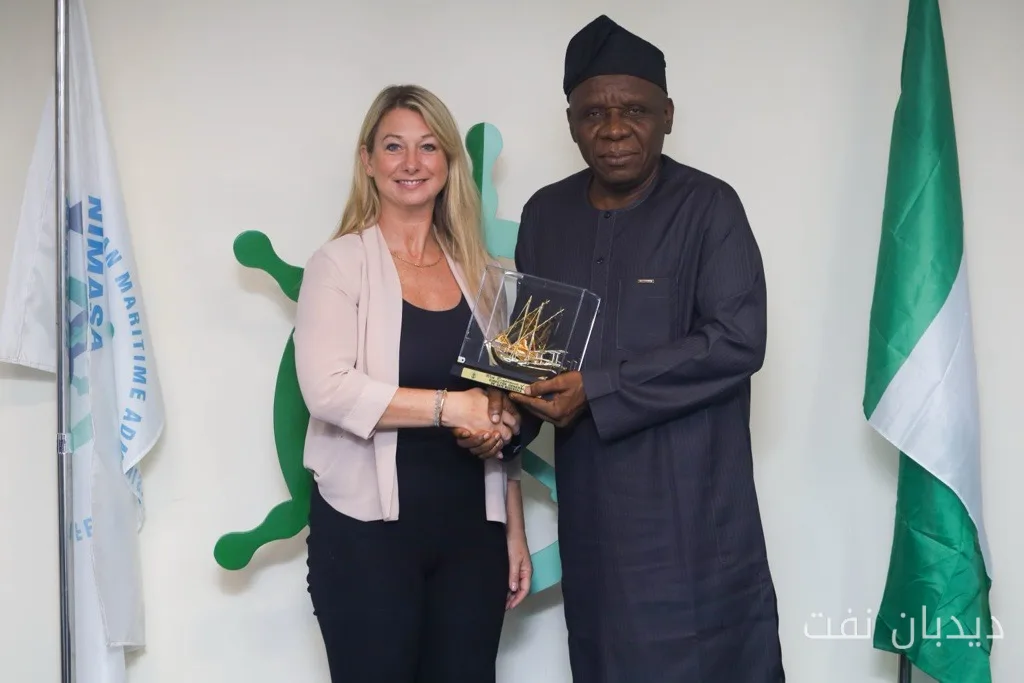
In a meeting with Dr. Pius Akutah, the CEO of the Nigerian Port Economic Agency (NPERA), discussions were held regarding the adoption of a new legal framework and strengthening oversight. This agency, with a mission to expand oversight, has a significant opportunity to translate established standards into actionable results for port users.
In this regard, the Port Service Support Portal can play an important role in event reporting, complaint resolution, and data collection to support oversight. Ensuring that this portal is fully institutionalized in port operations is essential for maintaining progress.
Finally, in the project steering committee, which operates under the supervision of TUGAR and the Federal Ministry of Marine and Blue Economy, there is a strong emphasis on continuing collaboration and updating SOPs and NPPM as a fundamental priority. These reforms must be carried out in a way that clarifies the expectations of port users and ensures that relevant entities have the necessary support and authority to monitor compliance and address ongoing challenges.