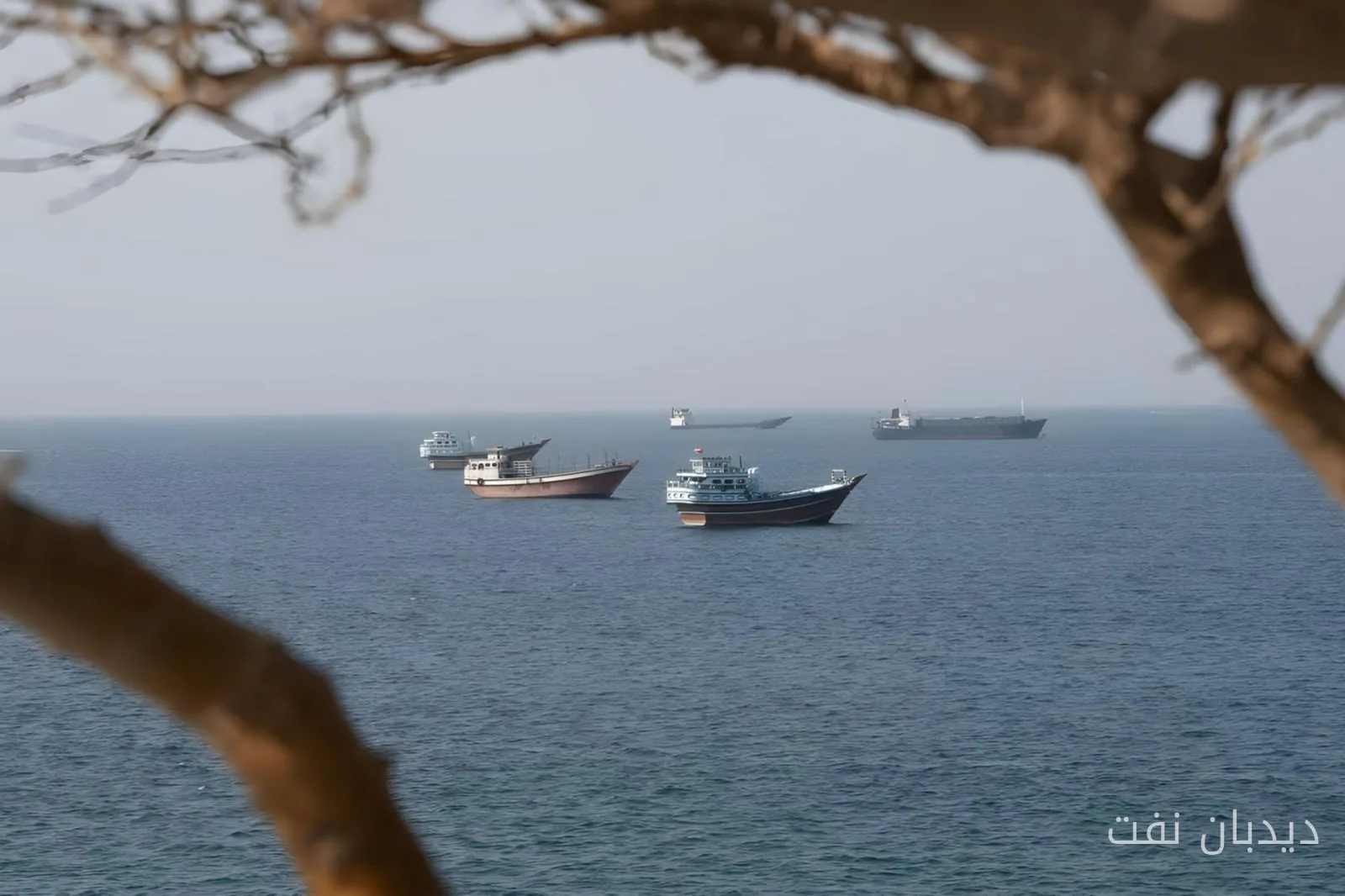
The number of ships transiting through the Strait of Hormuz has reached its lowest level in 10 days by the end of this week. This decrease in traffic, following initial reports of ship tracking, shows that transit in this strategic waterway has fallen below the 10-day average, limited to just 14 ships per day.
Details of Transit in the Strait of Hormuz
According to preliminary data, out of the total of 14 transiting ships, four have exited the Persian Gulf and 10 others have entered it. However, these figures are not yet definitive and may be subject to updates. Some ships may be excluded from the official count due to the lack of complete or usable signal transmission. In the shipping world, maritime tracking relies on data from Automatic Identification System transmitters, which can lead to a reduction in the official transit count.
Impacts and Consequences
Despite the temporary nature of this data, the gap between weekend transit and the 10-day average indicates that shipping flow in one of the world's most sensitive energy routes remains below normal levels. This situation could have significant impacts on oil prices and global energy security. The decrease in ship traffic through the Strait of Hormuz, recognized as one of the most important oil transport routes in the world, may reflect existing tensions in the energy market and the impact of sanctions on oil trade.
Overall, the Strait of Hormuz, as a key point in the geography of global energy, closely monitors any changes in ship traffic. A decrease in traffic on this route can be interpreted as a sign of changes in demand or the political and economic situation in the region.
Read more: Great Eastern's costs for purchasing second-hand ships this year exceeded $200 million · Damage to the Saudi oil pipeline may affect global oil supply