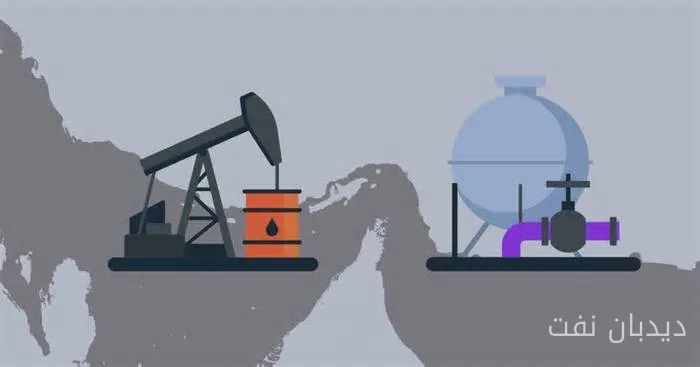
The increase in crude oil transportation costs due to military tensions and sanctions has raised serious concerns in the energy market. According to experts, the cost of chartering tankers on the route from the Persian Gulf to China has reached $1.6 million per day, indicating increasing pressures on the global energy system.
Impact of Military Tensions on the Oil Market
Security challenges arising from wars and conflicts have significantly increased the costs of transporting crude oil. Reports indicate that the cost of chartering a Very Large Crude Carrier (VLCC) for a journey from the Persian Gulf to China was $230,000 per day on the eve of the Iran war. Now, this cost has risen to $1.6 million per day.
Read more: HMM Platinum tanker seeking shelter off the coast of South Africa
John Stewart, a global energy strategist at Piper Sandler, states that "wars have not ended. There is no peace, and the energy system remains under pressure and constraints." This situation not only affects transportation costs but also impacts fuel prices globally.
Consequences of Rising Costs for Consumers
The increase in tanker chartering costs and insurance costs has led to higher fuel prices for consumers worldwide. According to Tom Kloza, senior energy consultant at Oil Price Information Service, "These numbers are staggering" and reflect the unstable state of the oil market.
Insurance costs have also risen sharply, with oil producers now spending between $30 to $40 million for a round trip in and out of the Strait of Hormuz. These factors indicate the high risk of passing through this region with valuable cargoes.
Currently, only U.S. refineries remain active, operating at maximum capacity to produce gasoline and jet fuel. However, if natural storms and adverse weather conditions lead to production stoppages or damage to refineries, the situation could worsen significantly.
This situation reflects a significant reduction in reserves during crises, which could lead to price increases and further instabilities in the energy market. Stewart believes: "We are working with very, very low reserves, and we no longer have any emergency reserves."
Read more: Iranian tankers are under sanctions on new routes · Hormuz; Iran's strategic chokepoint in global economic impacts