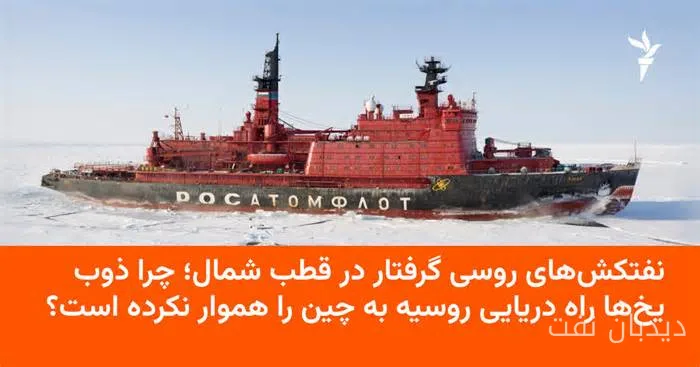
Iranian oil tankers have redirected to new routes due to international sanctions, particularly those imposed by the United States. This issue also exacerbates the existing challenges in Iran's oil industry and significantly affects the country's oil exports.
Sanctions and Their Impact on Iran's Oil Industry
Iran's oil industry is facing serious challenges due to international sanctions. These sanctions, which have been imposed primarily based on Iran's nuclear program, have severely impacted the country's oil exports and led to a significant decrease in oil revenues. As a result, Iranian oil tankers are compelled to change routes and seek new markets.
Read more: Iranian oil tanker cargo identified on the sanctions route
Change of Routes for Tankers and New Destinations
Following the sanctions, Iranian oil tankers have significantly altered their routes. These tankers are now heading to destinations such as China and some other Asian countries. These changes not only affect the demand for Iranian oil but will also impact global oil prices.
These developments also indicate Iran's efforts to circumvent sanctions and continue oil exports. For example, some tankers are going directly to informal ports in neighboring countries and from there sending oil to final destinations. These actions help Iran to bypass some sanctions and continue its economic activities in some way.
Factors Influencing the Change of Tanker Routes
One of the influential factors in the change of tanker routes is the increase in insurance and transportation costs due to sanctions. These costs have significantly risen, especially for tankers moving towards new markets. Therefore, Iranian oil companies are seeking new and creative solutions to reduce these costs.
Additionally, financial and banking sanctions also affect oil trade activities. Lack of access to global financial systems has created problems for Iran's oil trade, and for this reason, tankers are forced to seek alternative methods and new markets.
Economic and Political Consequences
The change of tanker routes and the search for new markets not only affect Iran's oil revenues but may also have political repercussions. These developments could lead to increased tensions in the region and international reactions. Furthermore, this issue could impact Iran's relations with neighboring countries and global powers.
Ultimately, the continuation of these trends could lead to a fundamental change in the way Iran trades oil and somewhat steer the country's oil industry towards a new model. These changes are particularly significant in a context where the global oil market is rapidly changing.
Read more: Sanction on Iranian oil tanker cargo in 2023 · Cargo of oil tanker carrying Iranian oil identified on the way to Qeshm Island