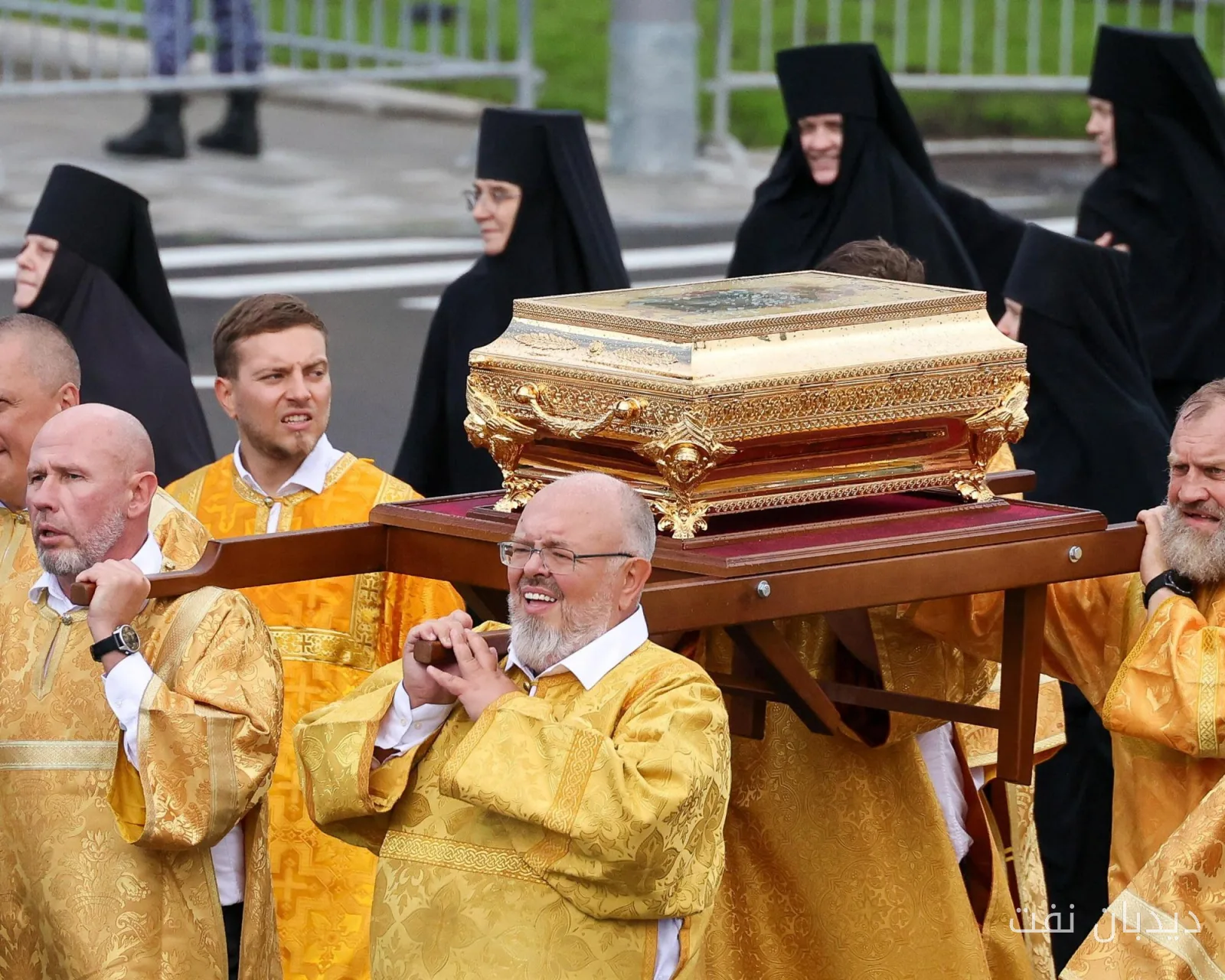
In a controversial and historic move, the Russian Orthodox Church has sent part of the right hand of Dmitry Donskoy, a medieval prince and famous warrior, to the frontlines of Ukraine. These remains, which are housed in a reliquary, have been delivered to soldiers with the goal of, according to church officials, "boosting their morale" and aiding them on the path to victory.
The History of Dmitry Donskoy and Its Symbolism
Dmitry Donskoy is recognized as a national hero in Russia for his victory over the Mongol invasion in 1380. This prince, who is somewhat a symbol of nationalism and resistance against external threats, is now considered a role model for Russian soldiers in contemporary wars. Sending his remains to the battlefront signifies the church's effort to revive these symbols and promote nationalist spirit among soldiers.
The Russian Orthodox Church, through this action, aims to utilize religious and historical beliefs to strengthen the morale of soldiers. As the war in Ukraine continues fiercely, this move may represent a return to roots and historical symbols that seem to hold a particular appeal among many people in Russia.
Consequences and Reactions
This action by the church has also elicited various reactions globally. Some see it as a sign of Russia's efforts to justify its military actions, while others view it as a tool to enhance nationalism and unity against foreign enemies. Meanwhile, many analysts point out that such actions may lead to increased tensions and insecurities in the region.
Ultimately, it remains to be seen how this action will impact the morale of soldiers and the course of the war in Ukraine, and whether it can bring about new victories for Russia.