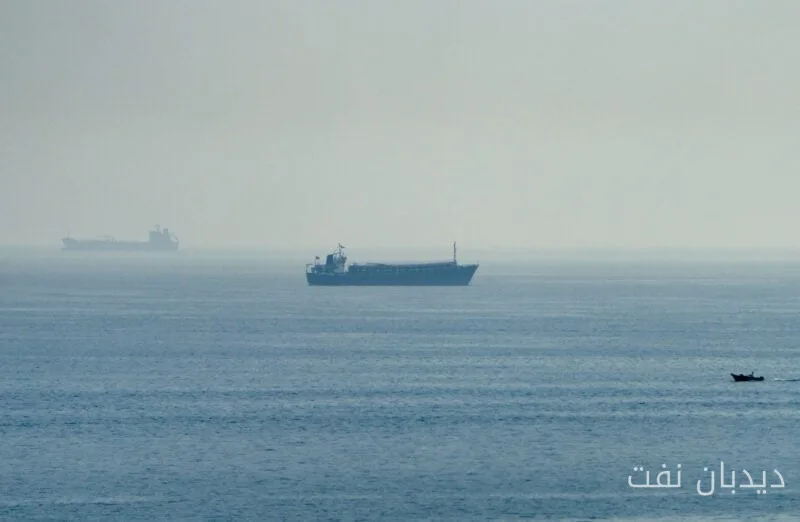
The sanctions on Iranian tankers are increasingly intensifying, significantly affecting the commercial routes and oil exports of Iran. Given the recent changes in international policies and the willingness of some countries to reduce dependence on Iranian oil, Iranian tankers, especially on international routes, are facing serious restrictions.
History and Details of Shipments
A recent report has been published about an oil shipment heading towards global markets, indicating Iran's efforts to maintain its oil exports even under sanctions. These shipments are primarily loaded from the oil fields of the Persian Gulf and directed towards destinations in Asia and Europe. In light of new changes in international laws, the routes of these tankers are continuously changing to avoid detection and identification.
Read more: China's Reduced Access to Iranian Oil Increases Petrochemical Costs
Consequences of Sanctions on the Global Oil Market
The new sanctions against Iranian tankers will have significant impacts on the global oil market. Analysts believe that these actions could lead to an increase in oil prices in global markets, as the reduction of Iranian oil supply, especially when demand is rising, could disrupt market balance. Furthermore, these sanctions will cause other countries to exercise greater caution in purchasing oil from Iran, which could lead to a decrease in Iran's oil revenues.
Ultimately, given that sanctions severely impact Iran's economic activities, the country is compelled to seek new strategies to circumvent these restrictions. One common method in this regard is the use of smaller tankers and longer routes for oil exports, which will, of course, incur higher costs.
Read more: Torm Company Signed New Tanker Construction Contracts After September · Harry Wafia Expands Its New Tanker Construction Program