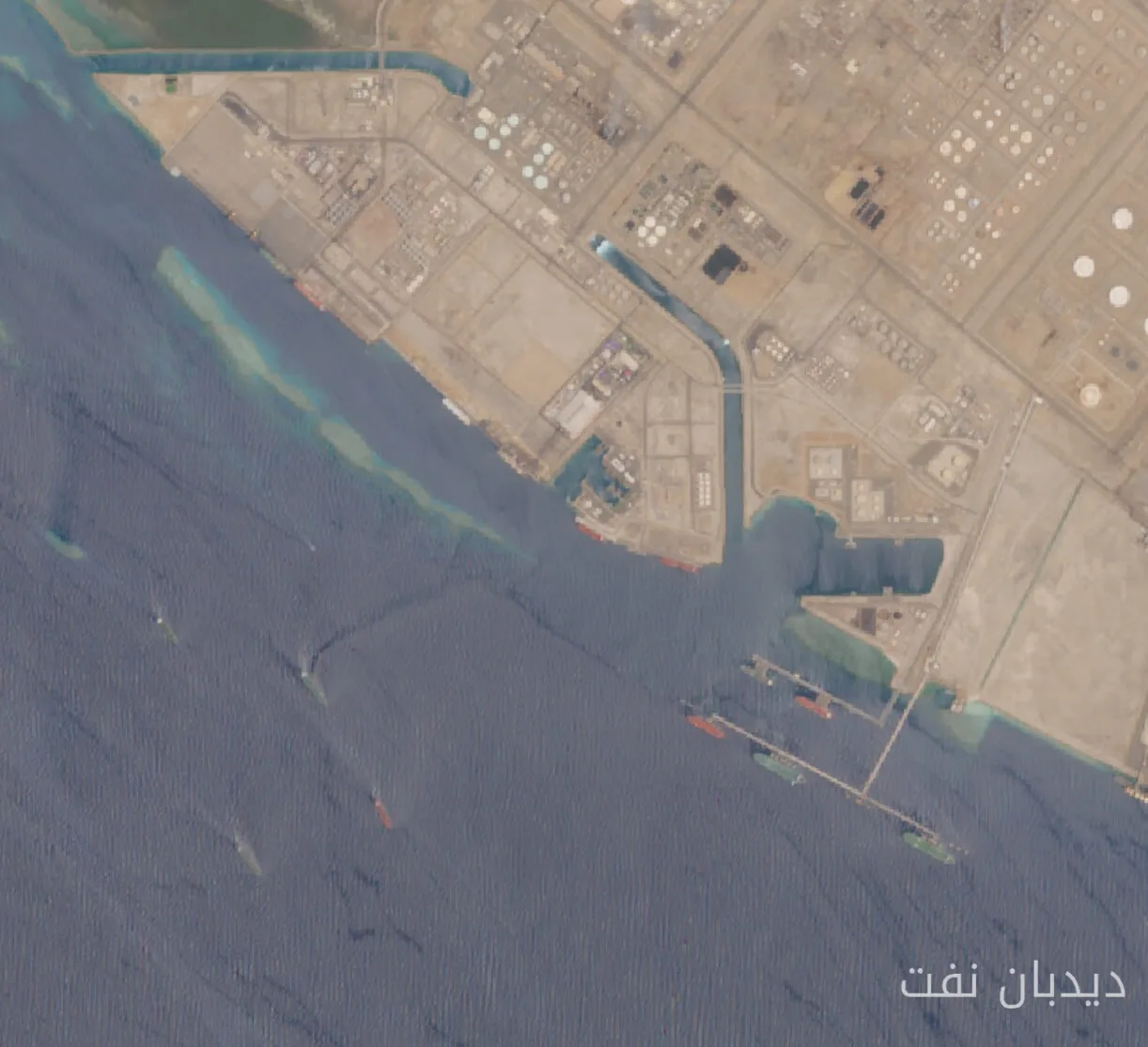
Saudi Arabia, as the largest oil producer in the Middle East, is in a position where its oil exports are facing serious restrictions due to geopolitical crises and sanctions. This situation has significantly impacted the economy and oil sector of the country as a result of the United States' war against Iran and the shutdown of key oil export infrastructure.
Current Status of Saudi Oil Exports
Saudi Arabia, traditionally recognized as a stable producer within OPEC, is now facing serious challenges. Before the war with Iran began, Saudi Arabia was known as the third-largest crude oil producer in the world. However, under current conditions, the country's oil exports have drastically decreased. Given that Saudi Arabia was able to maintain its spare production capacity, this focus is now at risk.
Read more: Ahmadi: The use of bank cards at gas stations will become widespread from next week
With the onset of the war, Iran has attacked oil transit through the Strait of Hormuz and maritime exports from Gulf countries. However, Saudi Arabia has managed to continue its exports by sending part of its crude oil via the East-West pipeline to the port of Yanbu on the Red Sea. This new route comes with its own specific risks, as tankers must pass through the Bab el-Mandeb Strait, which is under the control of the Houthi group.
Economic Consequences and Oil Market
As tensions rise, the Houthis have begun blockading the Red Sea since July 20, targeting all vessels carrying Saudi export shipments. This situation has led tankers to be redirected north towards the Suez Canal and the SUMED pipeline. Meanwhile, the situation has worsened, as the East-West pipeline has recently been attacked and sustained damage. This has caused the pipeline to shut down, and full repairs may take weeks.
Currently, Saudi Arabia has been forced to revert to loading oil from its terminals in the Gulf. This comes at a time when the global oil market is already in a sensitive state and cannot cope with a further reduction of 4 to 5 million barrels in supply. Nevertheless, repairs to the pipeline will be carried out, but significant risks will remain.
The tanker market is benefiting from this situation. Currently, increasing tensions, risks, and uncertainties have heightened market conditions, driving freight rates to unprecedented levels. Tankers are waiting to load in Yanbu, Sidra (the SUMED pipeline export terminal in the Mediterranean), and in the Gulf of Oman, but it is still unclear whether exportable shipments are available.
The trade of VLCC tankers organized by the Emiratis to transport oil from inside the Gulf to the Gulf of Oman is the only way for Middle Eastern exporters to get at least some of their oil to market. This method, while not as efficient as loading oil in the Gulf, remains a temporary solution. Meanwhile, transits through Hormuz continue to be subject to Iranian attacks, and ship-to-ship transfers off the coast of Oman are also not without risk.
Read more: Iranian tanker shipment on a critical route to East Asia · Discussion between the foreign ministers of Germany and Oman on freedom of navigation



