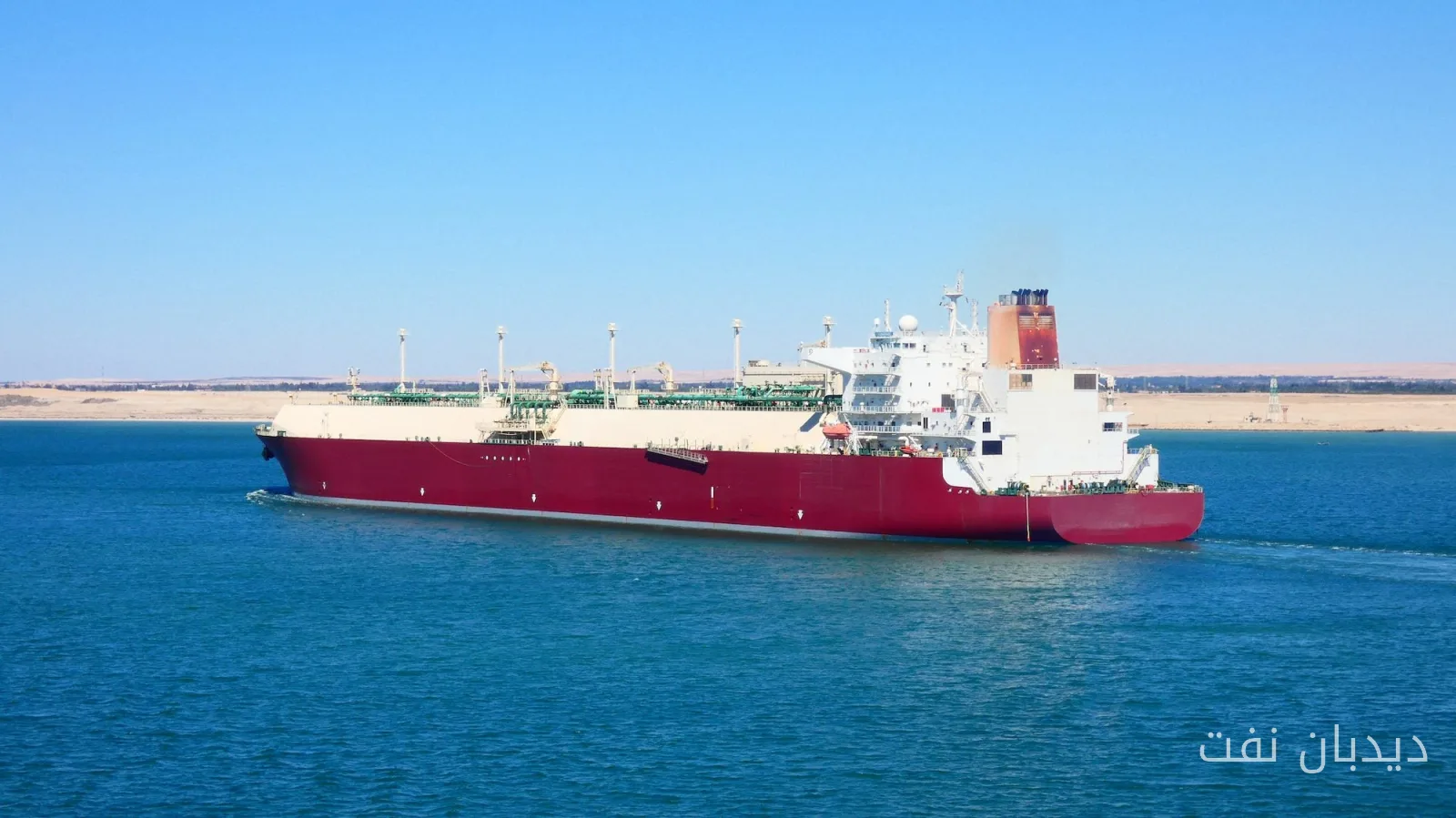
Three tankers carrying Russian diesel named Talisman, Lero, and Aguiv Fernandes are heading towards the United States. This movement is part of a controversial agreement between Donald Trump and Vladimir Putin, and while Moscow is preparing to send another tanker, American lawmakers are protesting this action.
Details of the Diesel Shipments
Alexander Novak, the Deputy Prime Minister of Russia, confirmed yesterday that three diesel shipments are on the move, although they are facing increasing opposition from American lawmakers. These lawmakers claim that this agreement violates existing laws that prohibit energy imports from Russia.
Read more: Jade Pacific Line has entered new shipping services on the shores of the Red Sea
According to ship tracking data from Kpler, these three tankers are carrying a total of 924,000 barrels of diesel. Among them, two tankers are under international sanctions. The Talisman tanker is under U.S. and EU sanctions, while the Lero tanker is on the UK and EU sanctions list.
Date and Route of the Tankers
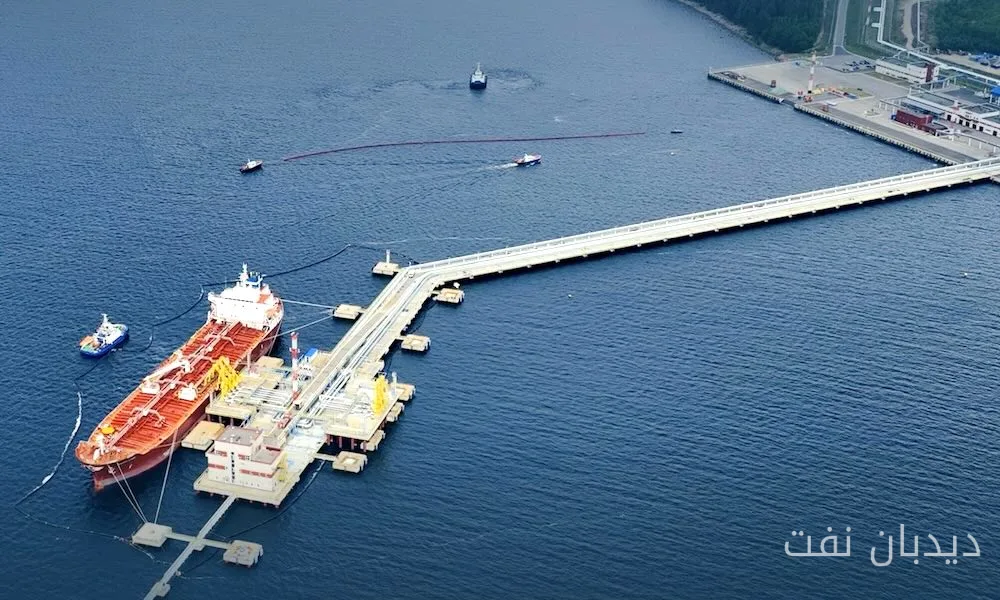
The Aguiv Fernandes tanker, which is flagged under Malta, is managed by Greek interests and has loaded about 40,000 tons of low-sulfur diesel at the Baltic port of Primorsk, Russia. These three tankers departed from Primorsk between October 16 and 22 and are expected to reach the Atlantic shores of the United States between November 7 and 11. However, their declared destinations may change.
Novak stated that these shipments indicate that Moscow and Washington are implementing their agreement despite political opposition. The Trump administration issued a six-month waiver from sanctions earlier this month, allowing transactions related to Russian-produced diesel until April 7 of next year. This waiver is intended to reduce high fuel prices in the United States, which have risen due to the war with Iran and disruptions in global processing and transportation.
However, this agreement has led to a legal and political confrontation. A bipartisan group of American lawmakers has warned banks, ports, and energy companies to refrain from working with these shipments, arguing that the Treasury waiver cannot override the laws passed in 2022 that prohibit imports of Russian petroleum products. Additionally, European and British sanctions on Russian oil imports remain in effect, complicating the movements of sanctioned tankers in international waters.
Read more: Transocean has initiated financial credit to acquire Valaris · Brent oil price drops to $114.70 amid Middle East developments