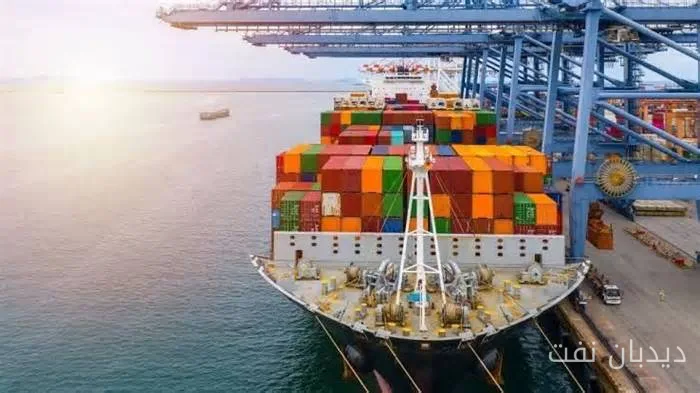
Saeed Mogheiseh, an economic activist and member of the Chamber of Commerce, described the current economic situation in Iran as critical. He pointed out that extensive economic and financial sanctions, banking and logistical restrictions, and problems in trade and maritime routes have unprecedentedly increased the cost of exchanges with the world.
Domestic and Foreign Challenges
Mogheiseh stated that while the country's economy is under external pressure, economic activists are also facing a multitude of obstacles, regulations, and changing decisions from within. He asked, "Is it logical to add to the internal walls of economic activists in a situation of economic siege?" This question is particularly relevant at a time when the private sector, as the last remaining link, can be highlighted.
Read more: Ahmadi: Fuel bank cards will be made public at all stations from next week
He noted that the experience of sanctions and economic crises has shown that Iran's private sector has been one of the most resilient components of the country's economy during crises. Traders and producers have not only continued their activities at many points but have also worked to keep the country's supply chain alive by accepting heavier risks and higher costs.
Domestic Obstacles and Their Cumulative Effects
Mogheiseh referred to the accumulation of domestic obstacles alongside external pressures, stating that issues such as sudden directives, contradictory regulations, and frequent changes in currency and trade policies seriously harm economic activity. He added, "The Iranian trader today competes not only with the price of goods but also has to contend with the costs of sanctions, transportation costs, the risk of regulatory changes, and severe currency fluctuations."
He also emphasized that domestic problems not only affect costs but can also impose a chain of costs on a transaction that ultimately becomes unbearable for either party. Mogheiseh stressed that support for production must be carried out without neglecting imports, exports, and services to properly maintain the supply chain.
Need for Policy Change
Mogheiseh suggested that the country needs a shift in foreign policy and domestic economy. He emphasized that one of the most urgent needs of Iran's economy is to reduce tensions and open economic communication channels with the world. Any agreement that can alleviate economic pressures and foreign trade costs should be taken seriously.
Finally, he pointed to the necessity of internal economic governance and called for facilitation for businesses instead of direct management. Mogheiseh said, "Every new regulation should be able to solve a specific problem and should not just add another stage to the administrative process." These changes could help improve the country's economic situation.
Read more: The possibility of a 60 to 90-day gas outage in northern provinces · Hojjatoleslam Mohammad Mokhtari: Economic problems are due to external pressures and mismanagement