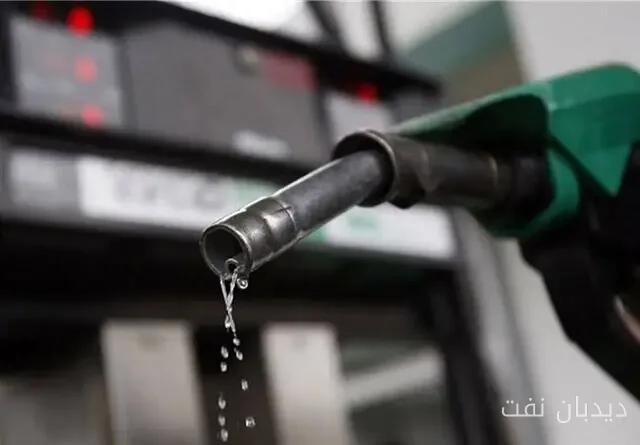
Diesel prices in the U.S. have reached an unprecedented record of $6.29 per gallon this week. This price increase, which is 68% higher than last year's price of $3.74, has led to significant economic pressures on farmers just before the agricultural harvest season.
Impact on Agricultural Costs
American farmers are in one of the most demanding periods of the year and are heavily reliant on diesel fuel for harvesting and transporting their products. Adi Yoder, a corn, soybean, and cattle farmer in northeastern Missouri, has stated that just one of his combines requires about 300 gallons of fuel for harvesting. Additionally, in South Dakota, Drew Peterson, a soybean and corn farmer, estimates that he spends up to $1,500 daily on fuel for one of his combines, which is nearly double the cost from last year.
Read more: David Manzoor: Serious concerns about gas supply for power plants in winter
Farmers' Strategies to Reduce Costs
The rise in fuel prices has led some farmers to adopt unconventional methods to control costs. Wayne Goulart, a producer of various vegetables in California, has reported that his farm's fuel costs have increased by about 40%, rising from around $5 to $7 per gallon. To reduce expenses, he has reintroduced several of his old gasoline tractors from the 1950s back into operation.
Michael Langmeier, an economist at Purdue University, states that the fuel costs required for corn farming have increased by about $11 per acre compared to last year, and for soybeans, it has risen by about $7 per acre. Nick Paulson, an agricultural economist at the University of Illinois, has warned that high fuel prices could also increase the costs of inputs such as seeds and fertilizers next year.
This increase in diesel prices is not limited to farms and could affect various sectors of the food supply chain. David Ortega, an economist at Michigan State University, believes that the rise in diesel prices increases costs at all stages of the supply chain, from harvesting crops on the farm to transporting goods to stores. He emphasized that the increased fuel costs could eventually be passed on to consumers.
According to the latest consumer price index data, food prices in the U.S. rose by 2.7% in August compared to the same period last year. The rise in fuel costs could exert further pressure on the prices of some essential items.
Many retailers may absorb the short-term cost increases for a while, or existing transportation contracts may not yet have been adjusted to the new fuel costs. Dean Crook, a senior analyst at DAT Freight & Analytics, has stated that the shipping rates for apples and pears with refrigerated trailers from the Yakima Valley in Washington have reached their highest level in four years during the first half of the harvest season.
The rise in fuel costs has ultimately drawn the attention of the U.S. government. Roger Marshall, a Republican senator from Kansas, has written a letter to the U.S. Secretary of Agriculture requesting temporary assistance for farmers. The U.S. Department of Agriculture has also stated that it is taking necessary actions regarding the increase in diesel prices. However, until fuel and transportation costs decrease, the pressure on food production and distribution costs may continue.
Read more: The safeguards agreement for the Chashma 5 nuclear power plant in Pakistan signed with the International Atomic Energy Agency · Analysis of the fuel smuggling situation and the increase in per capita energy consumption by Qaimpanah