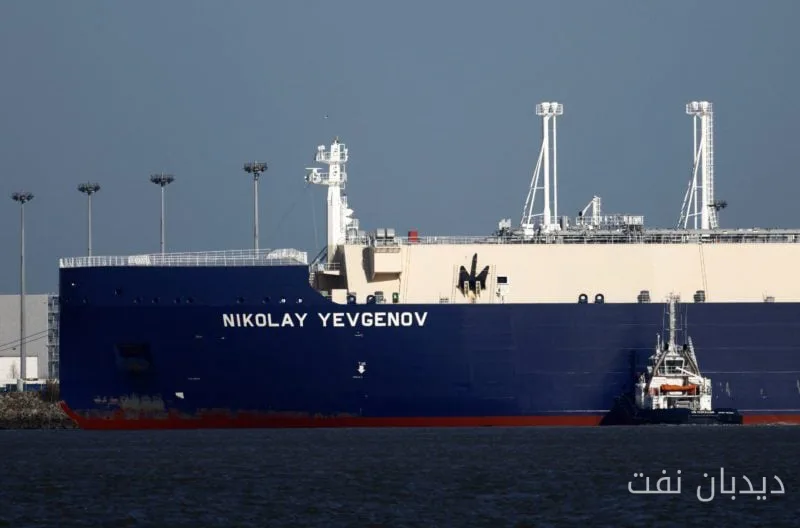
Russia's oil exports via the Northern Sea Route (NSR) in 2026 have reached approximately 20 million barrels from the beginning of navigation in July to mid-October, indicating an increase of nearly 50 percent compared to last year. This information has been released by traders and data sources.
Attractiveness of the Northern Sea Route
The Northern Sea Route connects the western ports of Russia to Asian markets through the ice-covered waters of the Arctic and is known as a risky and costly route. However, this year, due to disruptions in transit routes through the Suez Canal, the Strait of Hormuz, and the Black Sea, this route has become more attractive.
Read more: Hamid Bord Strengthens Iran's Oil Production Under Sanctions
Increase in Tanker Freight Rates
Tanker freight rates have reached their highest level, and the wars in Iran and Ukraine have led to increased inflation and the unavailability of U.S. crude oil to Asian refineries. This situation has compelled refineries to seek alternatives from the Middle East and Latin America.
According to traders, the high tariffs for ships using the Northern Sea Route, which require the assistance of an icebreaker, have become less costly compared to the normal route to Asia via the Red Sea. For Russia, which controls the NSR, this route is a safe alternative to European waters, where its oil tankers have been regularly detained this year.
The volume of Russia's oil exports via the Northern Sea Route is expected to increase by another 5 to 10 million barrels by the end of the navigation period. In the previous navigation season, Russia exported 13 million barrels of oil.
Gazprom Neft, one of Russia's major oil companies, has announced that it will increase its exports via the NSR by 35 percent this year compared to 2025. Additionally, Russia is sending significant volumes of liquefied natural gas (LNG) via the NSR to Asia, which is expected to increase this year following the launch of Arctic LNG exports.
Vladimir Putin, the President of Russia, announced at an economic conference in Vladivostok in September that Russia expects cargo traffic via the NSR to double to 70 million metric tons per year by the end of the decade. Russia's new major oil project in the north, called Vostok Oil, which started last month, is currently contributing to the increase in volumes using the NSR.
Read more: $70 Million Investment by Hainan Shipping in Building Two New Oil Tankers · Houthi Advances and Their Impact on Oil Relations Between China and Saudi Arabia



