The use of the Northern Sea Route (NSR) as a transport corridor for oil and liquefied natural gas (LNG) under Russian control has significantly increased due to the reduction of ice in the area. These movements clearly indicate Russia's efforts to strengthen its transport infrastructure and mitigate the risks posed by international sanctions.
Transpolar Corridor and Infrastructure Development
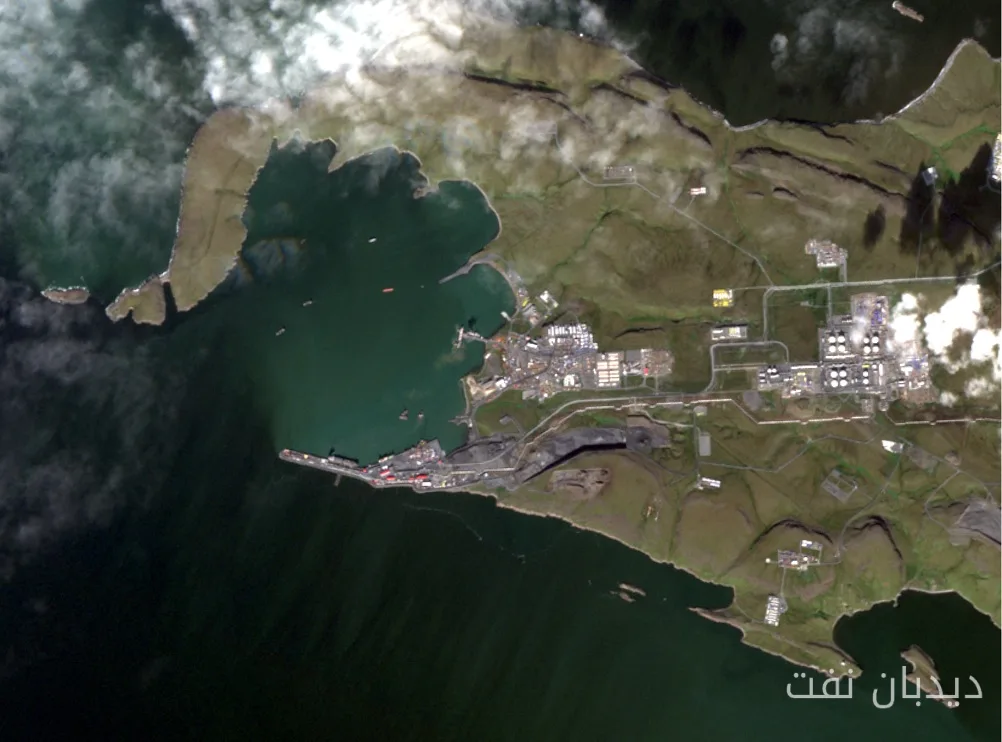
Vladimir Putin's plans for the development of the transpolar corridor to improve connectivity between the Baltic region, the Arctic, and Russia's Far East are being realized. With the opening of a new terminal in the Svar Bay, exports from oil and natural gas fields in the Arctic will increase. This terminal, located at the end of a new 500-mile pipeline, will export products from the Gydan Arctic 2 and Vostok Oil fields.
Read more: Head of the Rudan County Judiciary: Identification of 163 Violating Fuel Vehicles
Dark Fleet and Oil Transfers
The dark fleet, which includes sanctioned ships, is using the Northern Sea Route to transfer oil and LNG shipments to China and other Southeast Asian countries. Arc7 class vessels, built at the Zvezda shipyard, including Aleksey Kosygin and Pyotr Stolypin, have recently been put into operation. Due to sanctions, these ships need to use ship-to-ship transfer methods to keep the origin of these shipments concealed.
Meanwhile, four sanctioned ships, including the Omani-flagged Mirabel and the Sierra Leone-flagged Lumin, have been identified conducting cargo transfer operations near North Korea. This operation took place in an open area in the Sea of Japan and demonstrates the dark fleet's efforts to circumvent sanctions.
With the increase in oil and LNG loading in the Svar Bay, the use of cargo transfer areas at sea is expected to rise. While these areas are recognized as safe points for cargo transfers, their use for storing cargo at sea is not very likely due to varying conditions.
Read more: Iranian Forces Attack Ships in the Strait of Hormuz and the Role of Hossein Taeb · Islamic Republic Attack on a US-Contracted Ship Near the Strait of Hormuz