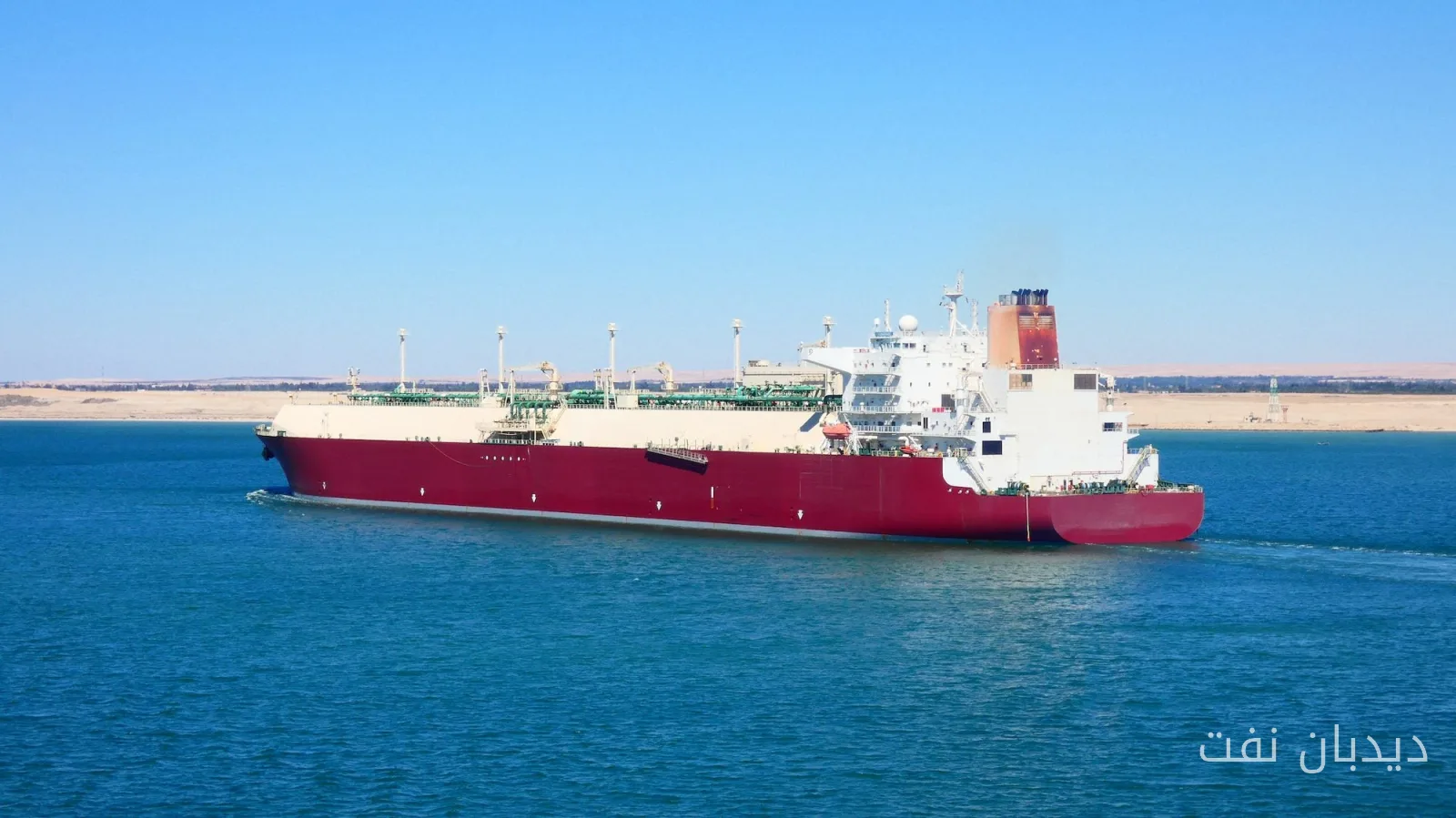
Russia expects to begin regular annual transportation eastward along the Northern Sea Route from early 2027. This initiative is becoming a reality due to the increased capacity of nuclear icebreakers, new class ice-capable liquefied natural gas (LNG) carriers, and the pressure to direct energy exports towards Asia.
Preparation for Winter Voyages
Vladimir Panov, head of the Arctic department at the state nuclear company Rosatom, announced that preparations for regular winter voyages are in the final stages. The planned start coincides with the commencement of regular deliveries eastward from one of Russia's largest shipping companies, although the name of the company has not been disclosed.
Read more: Marco Polo Marine expands maritime activities in South Korea with new collaboration
Exports of Oil and Liquefied Natural Gas
Panov referred to significant LNG shipments from Novatek along this route, as well as the commencement of oil exports from the "East Oil" project of Rosneft. According to him, six voyages with "East Oil" shipments have already been completed.
Panov added: "The Northern Sea Route is one step away from regular transportation eastward, which means one step closer to annual navigation." This transition is expected to occur in early 2027. This timing will be significant for Novatek, Russia's largest LNG producer. From January 1, 2027, the European Union's ban on imports of Russian LNG under long-term contracts will be in effect, creating an incentive to direct shipments towards Asian buyers.
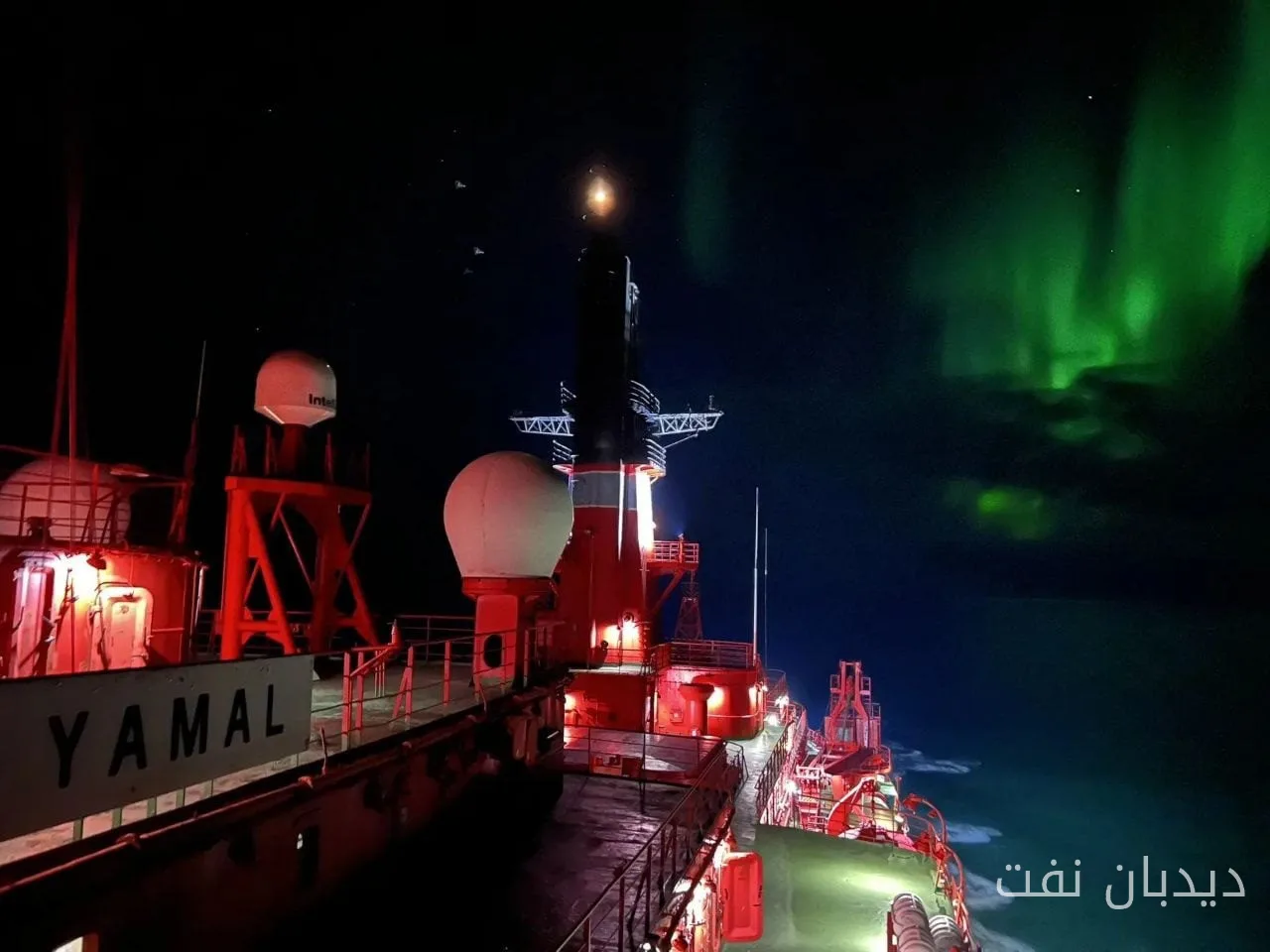
Russia is also expanding its fleet of icebreakers. The nuclear icebreaker "Chukotka," the fourth serial icebreaker of the 22220 project, is set to enter service in early 2027, bringing the number of operational nuclear icebreakers to nine.
With this additional capacity, the growing fleet of Arc7 class LNG carriers, which includes next-generation ships designed for harsh winter conditions, will be completed. The Zvezda shipyard has delivered two second-generation Arc7 class gas carriers for winter navigation.
Although winter navigation along the Northern Sea Route is not new, significant challenges remain. Panov highlighted the priority of increasing the speed of convoys and emphasized that Russia must continue to expand emergency response infrastructure, communications, and medical facilities along the route.
Read more: International Seaways expands its VLCC fleet with a $370 million acquisition of Burton · Hamid Bord traveled to Russia to develop gas exchanges