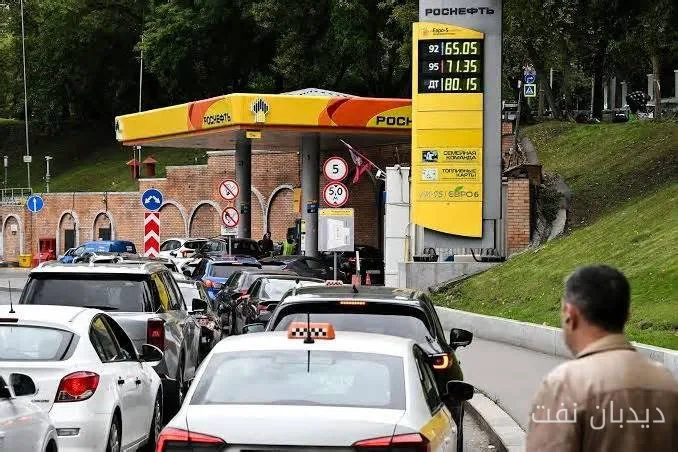
Russia has extended its ban on the export of a significant portion of its diesel shipments until the end of October. This decision is made as global demand is increasing with the approach of the winter season in the Northern Hemisphere.
Reasons for Extending the Export Ban
Moscow first imposed restrictions on diesel exports in July following intensified attacks by Ukraine on its refineries. These attacks had reduced Russia's oil refining capacity to its lowest level in several years. The restrictions, initially expected to last only a few weeks, were extended due to the continued attacks until the end of August and then until late September, and now remain in place for another month.
Read more: Gulf crude oil exports reached 16.33 million barrels in September
The Russian government has stated that this action aims to maintain stability in the domestic fuel market and respond to high demand from the agricultural sector during the harvest season. According to this decision, the export ban on most marine fuels and gas oil will also continue until the end of October.
Impact of Export Restrictions
Before these restrictions began, Russia supplied about 10% of the total global seaborne diesel supply. The exit of this volume of fuel, coinciding with disruptions in maritime traffic through the Strait of Hormuz, has created a noticeable shortage in the global market and increased the price of fuel used in road transport, agricultural equipment, and various industries worldwide.
Meanwhile, new records in fuel prices in the U.S. domestic market have led Donald Trump to consider the option of banning fuel exports from the country. Experts warn that any barriers to U.S. fuel exports could cause a sharp spike in international prices, especially in Europe.
According to Bloomberg data, the price difference between diesel and crude oil in Europe has now reached about $82 per barrel. Trump recently attributed the price surge to the Ukraine war and claimed that Moscow and Kyiv had agreed to cease attacks on each other's energy facilities. However, neither side has confirmed such a ceasefire, and attacks on energy infrastructure continue.
Read more: Vår Energi Acquires Shipment from Pandion Energy · LNG Prices Drop Following Tanker Route Change to Oman



