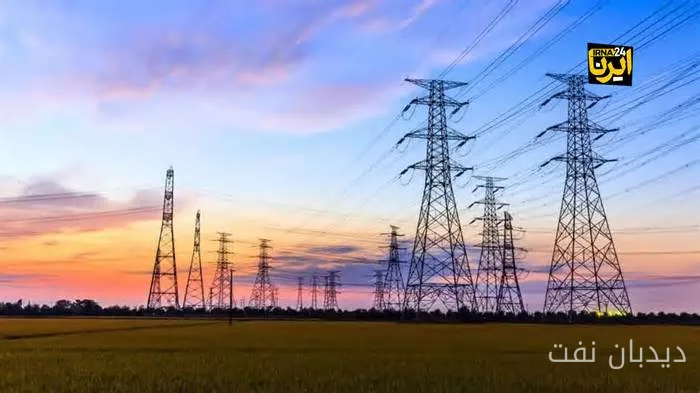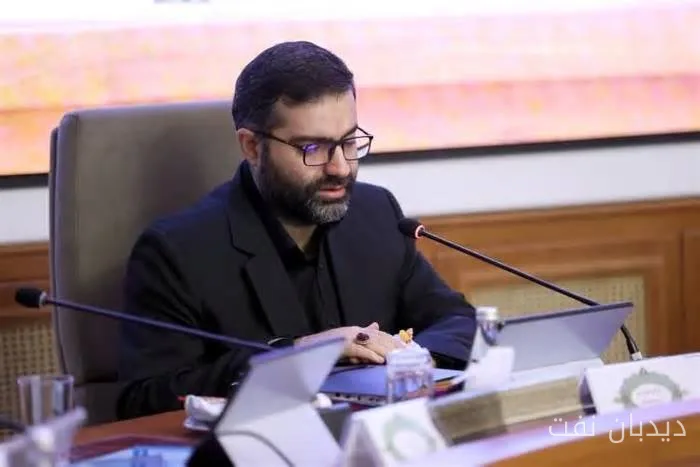
Rouhollah Lak Aliabadi, Vice President of the Health and Treatment Commission of the Islamic Consultative Assembly and representative of the people of Ozna and Doroud, emphasized the necessity of macro and national management in the energy sector and said: "The experience of implementing the plan to use energy-saving lamps showed that with proper planning and the involvement of governmental institutions, consumption patterns can be changed."
The Necessity of Changing Consumption Patterns
Lak Aliabadi, in an interview with a reporter from Alef, referred to the successful experience of using energy-saving lamps and added: "People used to use lamps that had high consumption, but with the planning of governmental institutions, the use of energy-saving lamps became a public behavior." He emphasized that today there are fewer homes, hotels, restaurants, or offices that use old high-consumption lamps, and this change has somewhat become nostalgic for the people.
Read more: Kpler: Iran's Oil Revenue Will Drop to Zero if Sanctions Continue
Challenges in the Energy Sector
The Vice President of the Health and Treatment Commission stated: "The price of energy-saving lamps at that time was several times higher than regular lamps, but people welcomed this plan and the use of energy-saving lamps became widespread." This indicates that if energy savings are to be achieved, the role of governmental institutions and proper planning is very important.
Lak Aliabadi continued: "This issue is not only about electricity, but also applies to oil, gas, gasoline, and even water." He pointed to the existing challenges in gasoline consumption and said: "If we are to save on gasoline consumption, the necessary requirements must also be provided." He added that with the presence of low-quality and high-consumption vehicles, it cannot be expected that merely increasing gasoline prices will solve the fuel consumption problem.
The Need for Infrastructure Improvement
Lak Aliabadi also referred to the state of agriculture and said: "Mechanization in agriculture has not yet fully occurred, and some sectors are still done traditionally, which leads to waste of energy and resources." He emphasized that to reform consumption patterns, the necessary infrastructure and facilities must also be provided.
He pointed to water resource management and added: "We need precise planning to create dams that can play a role in managing water resources." He referred to the situation in Lorestan and said that this province, despite heavy rainfall during the planting season, faces water shortages.
Lak Aliabadi noted: "The lack of proper planning for resource storage and energy and water consumption savings has led the country to face imbalances." He emphasized the necessity of monitoring the performance of responsible agencies and said: "Governmental institutions and officials must perform their duties correctly, and in this regard, supervisory agencies must also fulfill their responsibilities."
In conclusion, the Vice President of the Health and Treatment Commission said: "We must start today to plan for resource management, reform consumption patterns, prevent waste of energy and water, and develop infrastructure to prevent the continuation of imbalances."
Read more: Mohammad Taghi Fayyazi: Unprecedented Combination of Inflation and Negative Growth in Iran's Economy · Managing Energy Imbalance with the Implementation of Gas Projects by Ali Asghar Rajabi