On Tuesday, crude oil prices faced a significant increase. The price of WTI crude oil for October rose by $3.46, reaching 3.72%. This price increase comes at a time when RBOB gasoline prices experienced a decrease of $0.0419 and 1.29%. These fluctuations indicate a critical state of the energy market, heavily influenced by ongoing tensions in the Middle East.
Oil in Global Focus
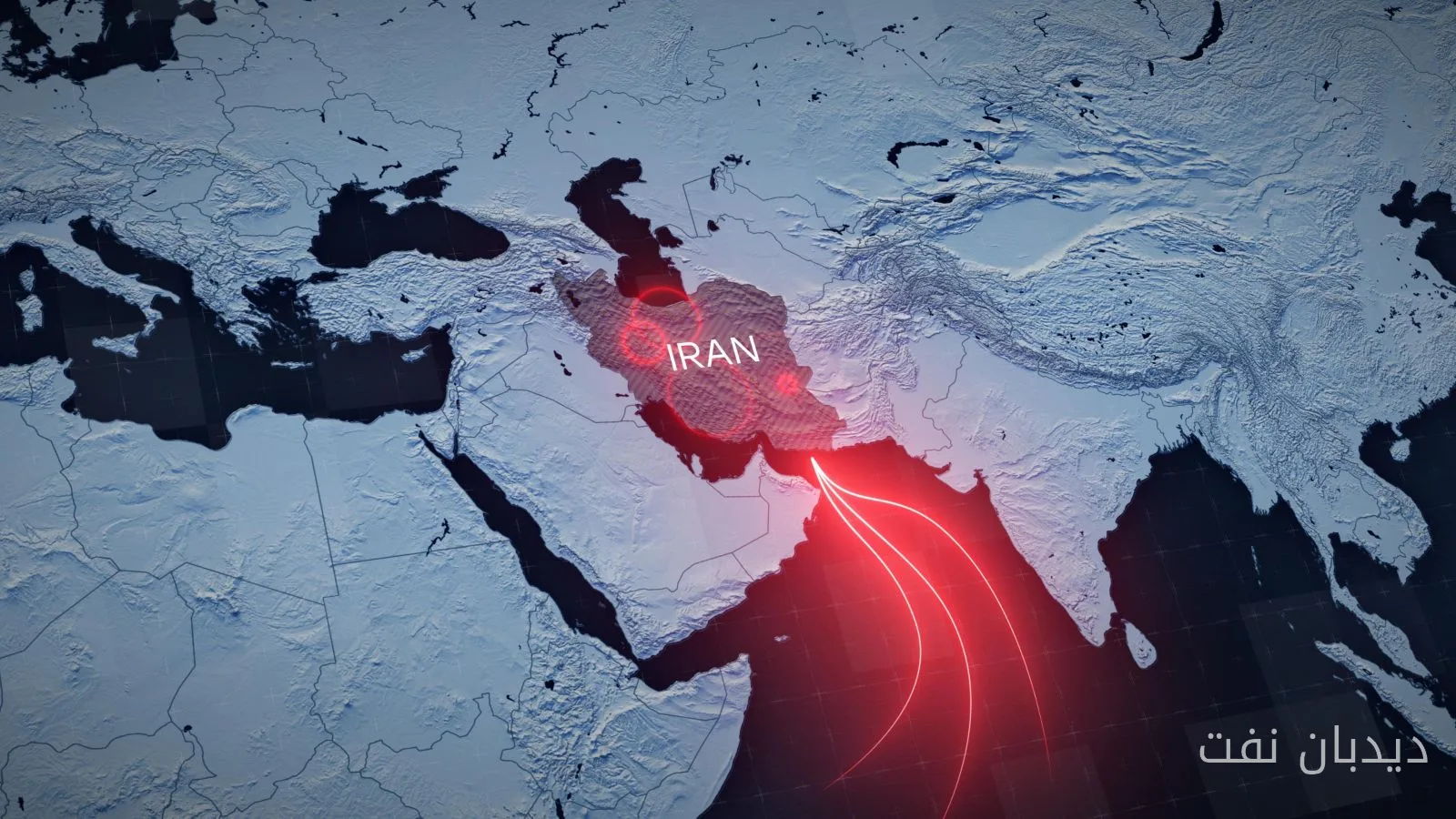
As conflicts in the Middle East intensify, the global oil market is deeply concerned. The rise in crude oil prices reflects uncertainty in the market, which may also impact other commodities and financial markets. Analysts predict that if these tensions continue, oil prices could rise to unprecedented levels, potentially leading to increased living costs worldwide.
Upcoming Economic Challenges
Given that oil-producing countries in the Middle East play a key role in global energy supply, any fluctuations in this region could lead to broader economic crises. Rising oil prices not only affect fuel costs but could also lead to increases in the prices of other goods. In this context, governments and economic institutions must take serious measures to manage this crisis.
Ultimately, the continuation of this situation could lead to deeper changes in the energy market and the global economy. While analysts closely monitor developments, the importance of planning and accurate forecasting as tools to address this crisis becomes even more critical.