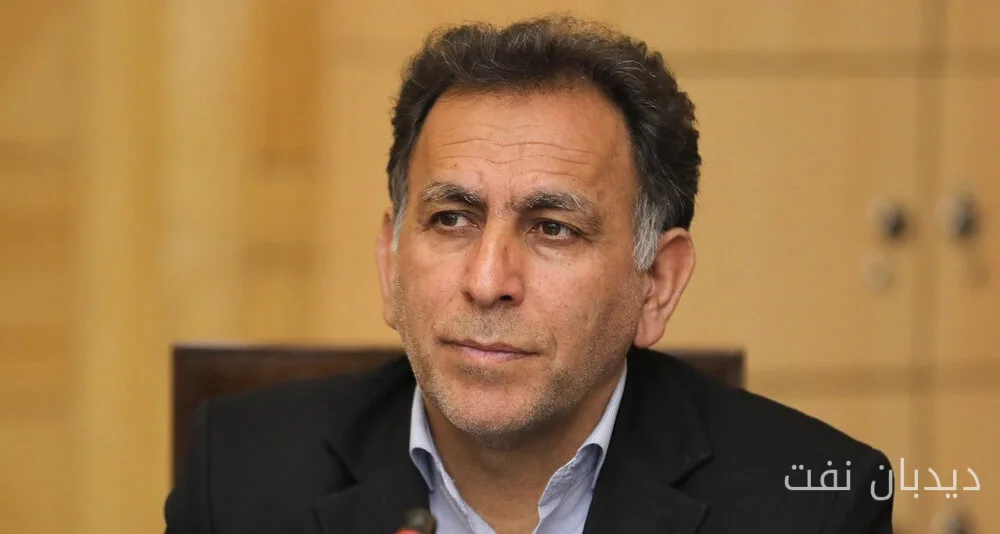
Reza Sepahvand, a member of the Energy Commission of the Islamic Consultative Assembly, announced the implementation of the fuel card identification project at 250 stations in Tehran. This project aims to identify real consumers, manage gasoline consumption, and prevent fuel smuggling, with initial results indicating a significant reduction in gasoline consumption in some provinces.
Goals of the Fuel Card Identification Project
Sepahvand continued his explanations by referring to the problems created for people due to the implementation of this new refueling method, stating: "In the pilot phase, instances have been observed where an individual refueled 350 times in one month. There have also been cases where multiple refuels were conducted in a single day using one fuel card." He emphasized that the new system allows for more precise management of individual consumption and significantly prevents fuel smuggling.
Read more: Fire on a violating oil tanker in the east of the Hormuz Strait
Reduction of Free Cards and Increase in Gasoline Quota
A member of the Energy Commission of the Assembly discussed the reduction in the number of free fuel cards at stations and the problems faced by drivers whose fuel card quotas are running out, stating: "Investigations show that over 46% of people's refueling was done through free cards at the stations; therefore, it was decided to reduce the number of these cards in the first phase so that people would use their personal fuel cards more."
Sepahvand also announced the addition of 50 liters to the fuel card quota of individuals in provinces where this project is implemented, saying: "Initial results indicate that overall, the daily reduction in gasoline consumption in the affected provinces has reached over 10 million liters." He referred to an example of this reduction in Hormozgan province, stating: "Daily gasoline consumption in this province has decreased from about 7.3 million liters to 4.3 million liters."
In conclusion, Sepahvand addressed concerns regarding intercity travel, especially travel from Tehran to Mashhad, emphasizing that free fuel cards have been considered at the stations along the route to Mashhad and that there are no issues in this regard. He also stressed that the government is obligated to provide the gasoline needed by the people, but this fuel must reach the real consumer and prevent its smuggling.
Read more: Sanctions on Iranian tankers in the path of crude oil exports · Implementation of the coding project for fuel cards in South Khorasan has begun