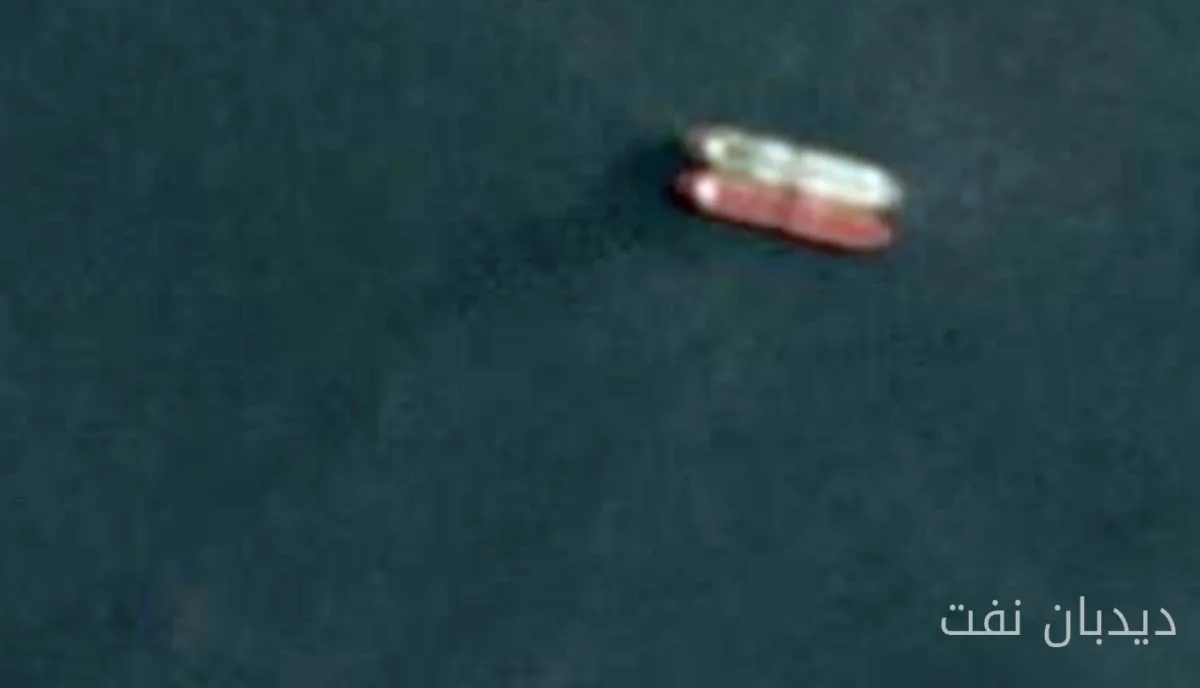
Iran's crude oil reserves in Southeast Asia are rapidly declining due to U.S. maritime sanctions. According to new data, in September, about 9 million barrels of Iranian crude oil were transferred through ship-to-ship operations in Malaysian waters, indicating a decrease in inventories before the sanctions began.
Oil Reserves Status
The analyst group estimates that now only about 10 million barrels of Iranian crude oil remain in floating reserves in areas outside the eastern port of Malaysia. This decline indicates that one of Iran's last reserves against sanctions is nearing its end. Although Iranian crude oil previously located outside the Persian Gulf can be transferred between tankers and delivered to buyers, no new crude oil has crossed the U.S. sanctions line since July 14.
Read more: d’Amico Acquires Ownership of the Tanker High Fidelity
Iran's Oil Export Status
Iran's oil exports have hit a minimum in September. The analyst group has tracked only three Handymax tankers that have crossed the sanctions line, collectively carrying about 1.52 million barrels of Iranian LPG and methanol, equivalent to an average of 50,789 barrels per day. Additionally, no crude oil loading has been reported at Iran's export terminals in September, with loading activities limited to LPG, naphtha, and fuel oil.
While Iran's oil exports have decreased, oil exports from other Gulf producers are on the rise. According to data, crude oil exports from major Middle Eastern producers averaged 18.3 million barrels per day in the last seven days of September, the highest level since the onset of conflicts in February. This recovery is largely due to increased exports from Saudi Arabia and the United Arab Emirates.
The decline in Iran's crude oil reserves comes as oil exports from other producers approach pre-war levels. If the analyst group's estimate of about 10 million barrels remaining in floating reserves in Malaysia is accurate, Iran's access to crude oil outside of sanctions has significantly diminished, and continued deliveries to China will gradually depend on the reduction of limited inventories.
Read more: U.S. Sanctions Have Stopped 50 Iranian Tankers on the Shores of This Country · Iranian Tanker Transferred a Large Cargo Near the Port of Kuwait



