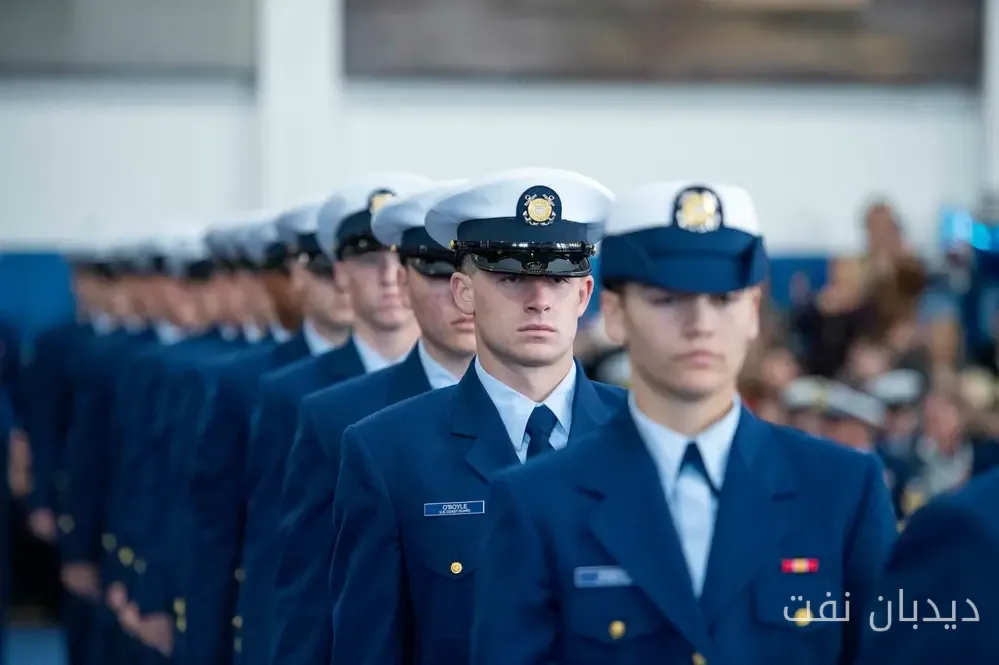
The U.S. Coast Guard faces significant challenges in preventing and responding to Sexual Assault and Sexual Harassment (SASH). A report recently published by RAND examines the structure and effectiveness of existing programs in this area and indicates that the lack of a cohesive and integrated framework hinders the achievement of these programs' goals.
Structural Challenges and Lack of Cohesion in Programs
According to the report, the SASH policy environment in the U.S. Coast Guard is characterized by power distribution and a lack of integration. While individual programs respond to specific harms, the absence of a cohesive framework limits the Coast Guard's ability to monitor the implementation of these programs and assess their outcomes. These decentralized structures negatively impact the quality of accountability and the effectiveness of prevention efforts.
Read more: Iran's Oil and Gas Industry Sets New Records in 2025
Harms from Prolonged Case Processing Times
The RAND report highlights serious concerns about the lengthy processing times for cases and the lack of transparency in these processes. One special advisor for victims who spoke with researchers stated: "The biggest challenge my clients face is the decision to report and then getting stuck in uncertainty for a long time. This uncertainty and sense of powerlessness greatly affects them."
While the official reporting rate of sexual assault has remained relatively stable in recent years, survey-based estimates consistently indicate higher numbers than official reports, suggesting a serious issue with underreporting.
Recommendations for Improving Structure and Performance
RAND's research indicates that the fragmented policy architecture and the lack of integrated data hinder organizational assessment and learning. One key recommendation is to create a comprehensive and unified guideline for consolidating prevention, response, improvement, and accountability programs in this area. This could help improve transparency and coordination in processes.
Additionally, enhancing the quality of training and focusing on measurable outcomes are other essential actions to increase the effectiveness of programs. There is also a need to expedite the investigation process and improve communications within this system to boost victims' trust in existing processes.
Read more: Ukraine Plans to Sell Seized Oil Tanker Emmakris III · U.S. Coast Guard Awards $315 Million Contract for Fuel Terminal Construction in Kodiak