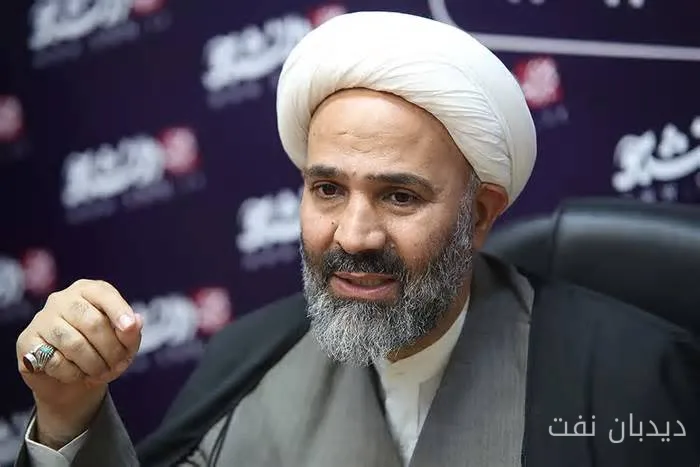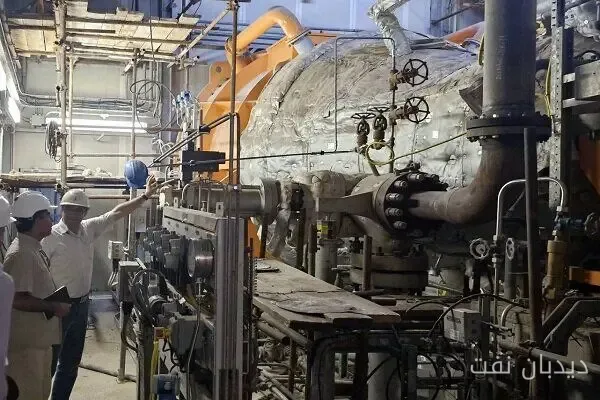
Ramin Afshar Gorji commented on the challenges related to electricity consumption in Iranian industries, emphasizing that some cement factories require about 70 to 140 kilowatts of electricity to produce each ton of cement. Meanwhile, the electricity tariffs for these industries have not been adjusted according to their energy consumption intensity.
Lack of Coordination in Energy Policies
Afshar Gorji stated that according to existing laws, industries with higher energy consumption intensity should pay more for electricity. This policy is designed to encourage industries to optimize energy consumption, but it has not yet been fully implemented, and the lack of coordination among agencies has hindered its realization.
Read more: Iran Faces Energy Imbalance and Infrastructure Challenges
Consequences of Cheap Energy
He added that the cheapness of energy in past years has led many industries to not take electricity consumption costs seriously in their economic decision-making. This issue has now resulted in serious challenges, and the country is facing an imbalance in electricity production. Afshar Gorji noted that alongside efforts to reform energy consumption, large industries must move towards reducing consumption and optimizing it.
Afshar Gorji further pointed out that the existing imbalance in electricity production, due to the lack of attention to real energy costs in the past, now weighs heavily on the country. This imbalance has not only affected large industries but has also harmed the daily lives of people. Neglecting optimization of consumption in industries can lead to increased costs and environmental problems as well.
Need for Change in Policy Making
Ultimately, Afshar Gorji emphasized that changes in policy making and proper implementation of laws can help optimize energy consumption and prevent more serious crises in the future. These changes will enable industries to act in a way that is beneficial both for themselves and for the environment through more efficient consumption.
Read more: U.S. Energy Secretary: I Cannot Predict Iran's Behavior