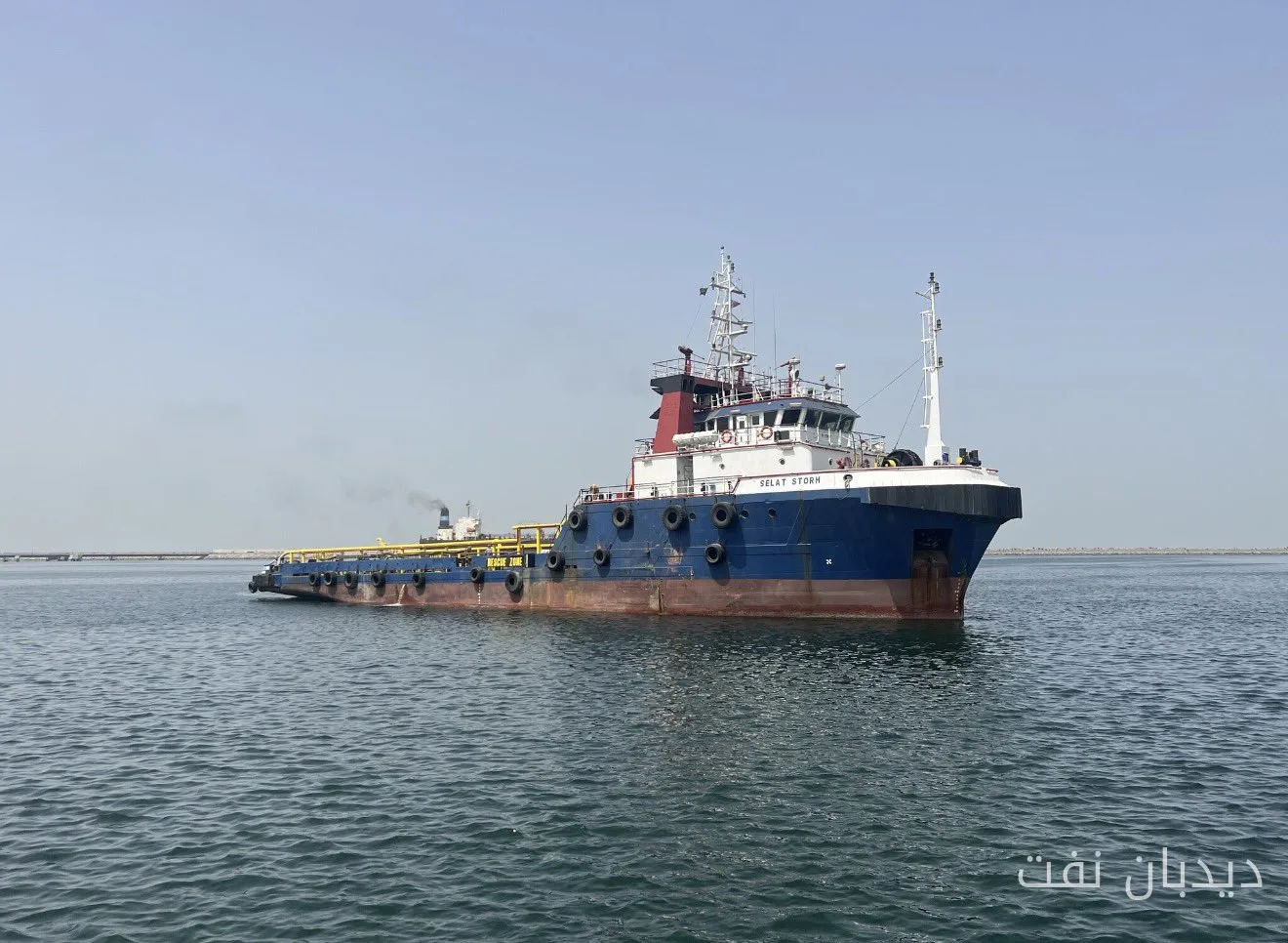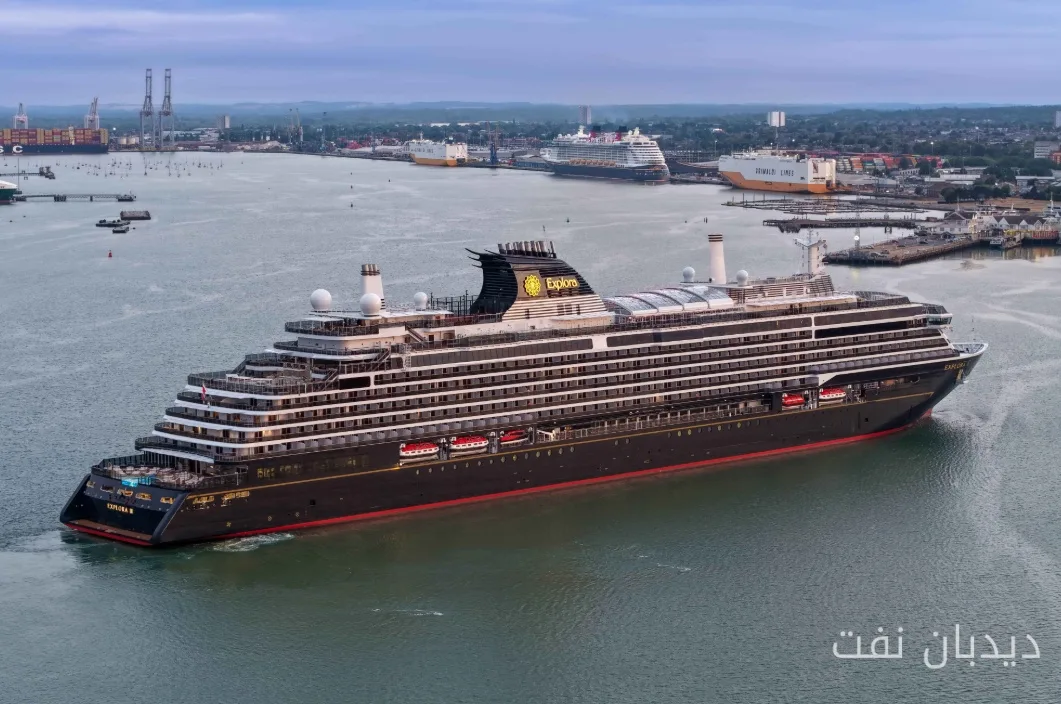
Rael Harris, founder of PitchFrame, discussed the interactions between the shipping and cruise industries at the Crew Connect Global meeting held last week in Manila. This meeting provided an opportunity to benefit from the perspectives of four experienced individuals in this field, including Eric Wiser from Holland America Line and Seabourn, Anca Preda from Columbia Shipmanagement, Calypso Diarm from ATPI, and Joost Van Rey from Nevetal.
Differences and Similarities in Human Resource Management
The main question in this discussion was what lessons the cargo shipping industry can learn from the way human resources are managed in the cruise industry, especially regarding supportive technologies. The results of this discussion showed that despite clear differences, there are also transferable lessons. The cruise industry has developed specific methods for managing human resources due to its unique conditions, including predictability and scale.
Read more: Increase in Steel Production Costs Due to Gas Supply Instability in Winter
One of the main differences is that cruise operators can plan their ships' locations up to 18 to 24 months before the voyage. This predictability allows them to easily organize workforce changes and training. In contrast, cargo shipping faces unpredictable schedules and sudden obstacles at ports.
Workforce Development and Supportive Technologies
In the cruise industry, various sectors are dedicated to human resources, training, and employee welfare. These sectors have a direct responsibility for providing services to customers, and thus investing in the workforce has become a clear business motivation. Eric Wiser stated, "Our product is our workforce," which clearly indicates the importance of labor in this industry.
In cargo shipping, the relationship between business performance and workforce quality is less visible. This clearly reflects whether we are giving our employees the necessary strategic attention. Therefore, one of the most important questions for cargo shipping is whether we are paying enough attention to our human resources?
One interesting point Eric made about the relationship between ship operators and the organizations that supply their workforce is that in his organization, instead of the term "labor representatives," the phrase "talent partners" is used. This seemingly minor change actually represents a deeper mindset. In cruising, the relationship between the operator and the hiring partner is more continuous, and this partner is responsible for supporting employees throughout their employment period.
This approach helps develop the workforce and the organization's future capabilities rather than just filling workforce gaps. Anca Preda also pointed out that cruising has achieved a broader human resource management function, placing greater emphasis on talent acquisition, employer branding, and workforce retention.
These transferable lessons clearly demonstrate that strategic workforce management does not depend on the number of employees on a ship but on understanding the connections between recruitment, development, deployment, and retention of the workforce.
Ultimately, technology and data play a crucial role in this area. Cruise operators gain a more comprehensive view of their workforce by connecting information related to recruitment, competencies, training, and career progression. This enables them to adopt a more advanced approach to professional development.