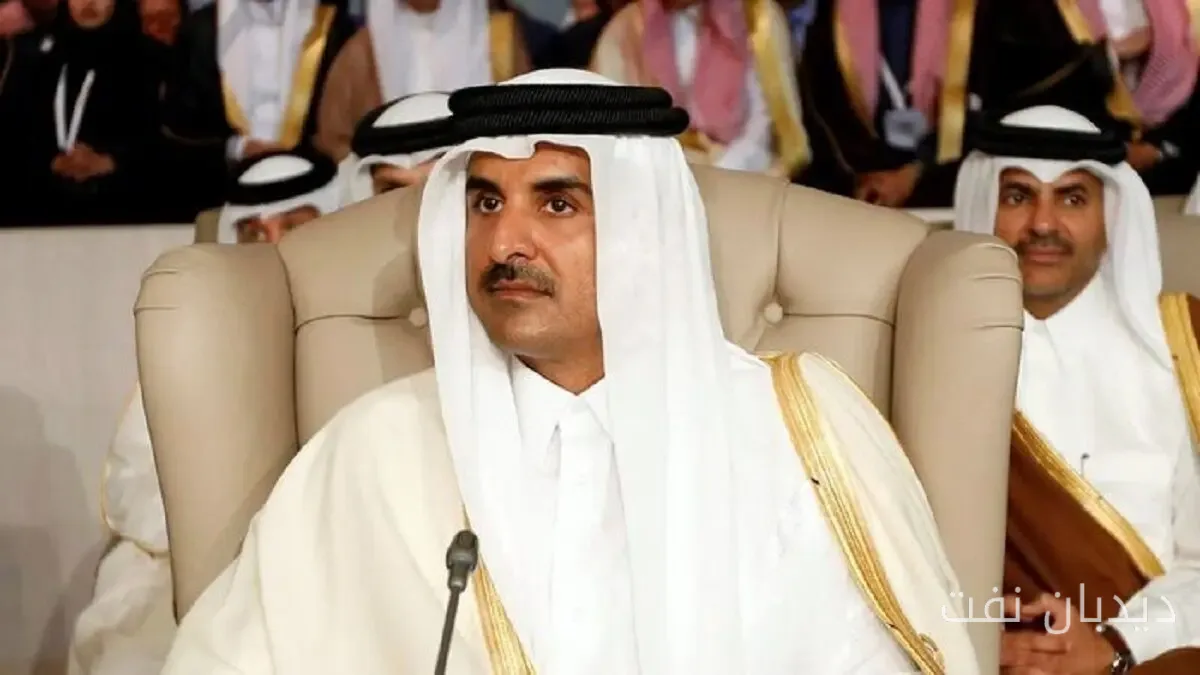
Sheikh Tamim bin Hamad Al Thani, the Emir of Qatar, referred to the unprecedented challenges his country is facing in his annual speech to the Qatari Shura Council. He stated that the closure of the Strait of Hormuz and the damages inflicted on the Ras Laffan complex have directly affected the country's liquefied natural gas exports.
Export Halt and Economic Damages
The Emir of Qatar emphasized that his country supplies about one-fifth of the world's liquefied natural gas trade, and any damage to this sector inevitably affects markets and consumers. He also stressed that Qatar has a responsibility to protect its sovereignty during this crisis while also playing its role in global energy security and the economy.
Read more: Smart Fuel System Manager: Unidentified Cards Are Monitored
The Emir of Qatar strongly referenced the damages caused by Iranian missiles hitting the Ras Laffan complex on March 18, 2026. This incident damaged two LNG production lines and eliminated about 17 percent of Qatar's export capacity. This damage costs Qatar approximately $20 billion annually, which is equivalent to more than one-third (about 35%) of the total annual revenues of the Qatari government.
Impact of the Closure of the Strait of Hormuz and Export Status
The closure of the Strait of Hormuz and security threats against ships have severely restricted the passage of Qatar's LNG shipments through this strategic waterway. However, since late September and early October, some Qatari tankers have managed to pass through the Strait of Hormuz, but the export volume still remains far below pre-war levels.
Currently, it is estimated that Qatar's liquefied gas export volume will fall to about 0.6 million tons in October 2026. This is while Qatar's exports reached 1.6 million tons last September, the highest figure since the war began, but still less than a quarter of the pre-war average. In previous months, Qatar's exports have also faced a heavy blow, dropping to less than 2 million tons during the period from April to June 2026.
In conclusion, the Emir of Qatar stated that the security of the Gulf Cooperation Council countries and the preservation of their sovereignty is not negotiable, and Doha always prefers to resolve disputes through negotiation and diplomatic and peaceful means.
Read more: Brent Oil Price Reached $105.42 · Closure of the Strait of Hormuz and Increase in Brent Oil Price to Highest Level



