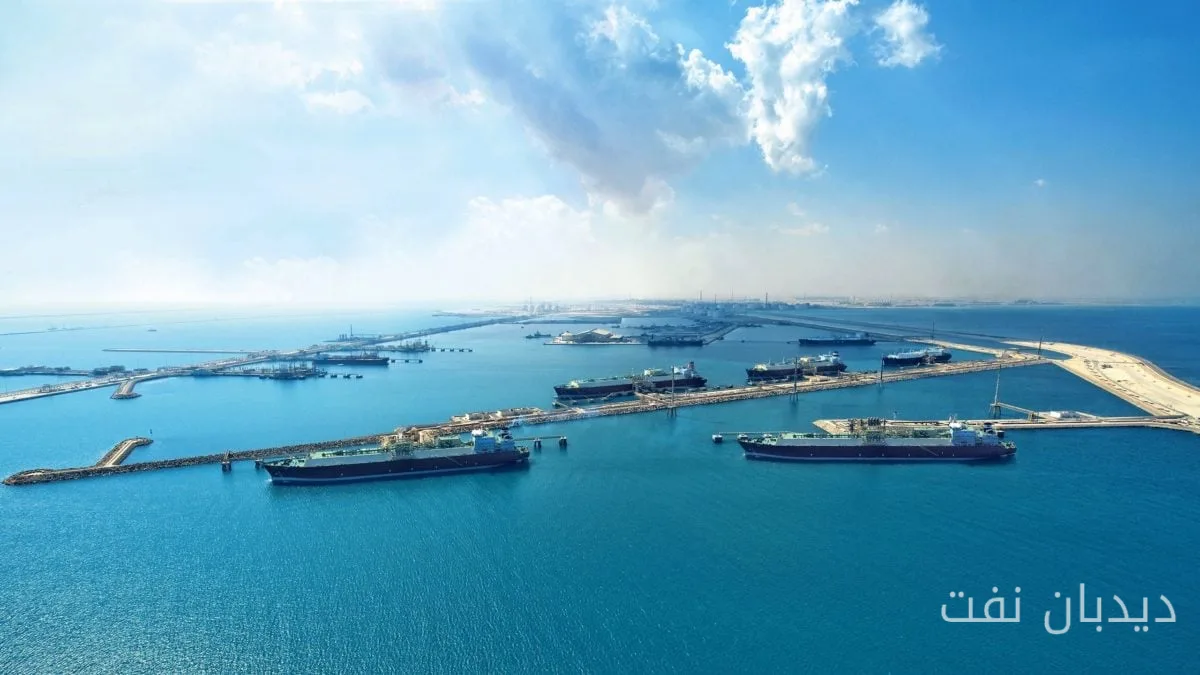
Qatar last week passed several LNG tankers through the Strait of Hormuz. This traffic has reached its highest level in over two months, indicating the country's growing confidence in the movement of vessels from this waterway.
Tanker Traffic Analysis
At least four gas tankers passed through the strait last week, and two other tankers entered the Persian Gulf from the opposite direction. One of the shipments reached the western shores of India on Thursday. However, no signals were detected for the five ships that passed through the Strait of Hormuz, indicating the usual disruptions in the region.
Read more: Technical malfunction at the Abadan refinery production unit
Qatar's LNG Export Conditions
This increase in tanker traffic indicates the highest level of LNG tanker activity in Qatar since early July, when the country halted its exports through the Strait of Hormuz due to an attack on one of its vessels. Before the war began, the Strait of Hormuz managed about one-fifth of the world's LNG supply, but the passage of ships has been jeopardized due to multiple attacks on them.
Currently, tanker traffic remains significantly lower than pre-war levels, which averaged about three LNG shipments per day. However, any increase in this traffic could help alleviate the global gas shortage. Prices in Europe and Asia have recently reached their highest levels since 2022, indicating rising demand ahead of winter.
Qatar also appears to be following the strategies of Gulf oil producers who have sent a significant volume of crude oil through the Strait of Hormuz. They use an approach known as "shuttling," where shipments are sent through the waterway to their vessels and then loaded onto other ships in the Sea of Oman. This method is challenging for LNG due to technical issues in transferring supercooled fuel.
The country of Qatar is currently loading LNG onto empty tankers available in the Persian Gulf and has also exported some fuels to Kuwait to manage storage and keep part of its large export volume at a minimum level. Maintaining this production allows Qatar Energy to keep its equipment operational and provides the necessary flexibility for rapid production increases.
Qatar's Energy Minister, Saad Sherida Al-Kaabi, announced that the Ras Laffan plant, the world's largest LNG export center, could resume full operations in unaffected sectors as soon as the Strait of Hormuz reopens.
Read more: Venezuela's oil sales halted due to rising transport costs · The tanker 'Majestic X' will transfer a $600 million shipment of Iranian confiscated oil to the U.S.



