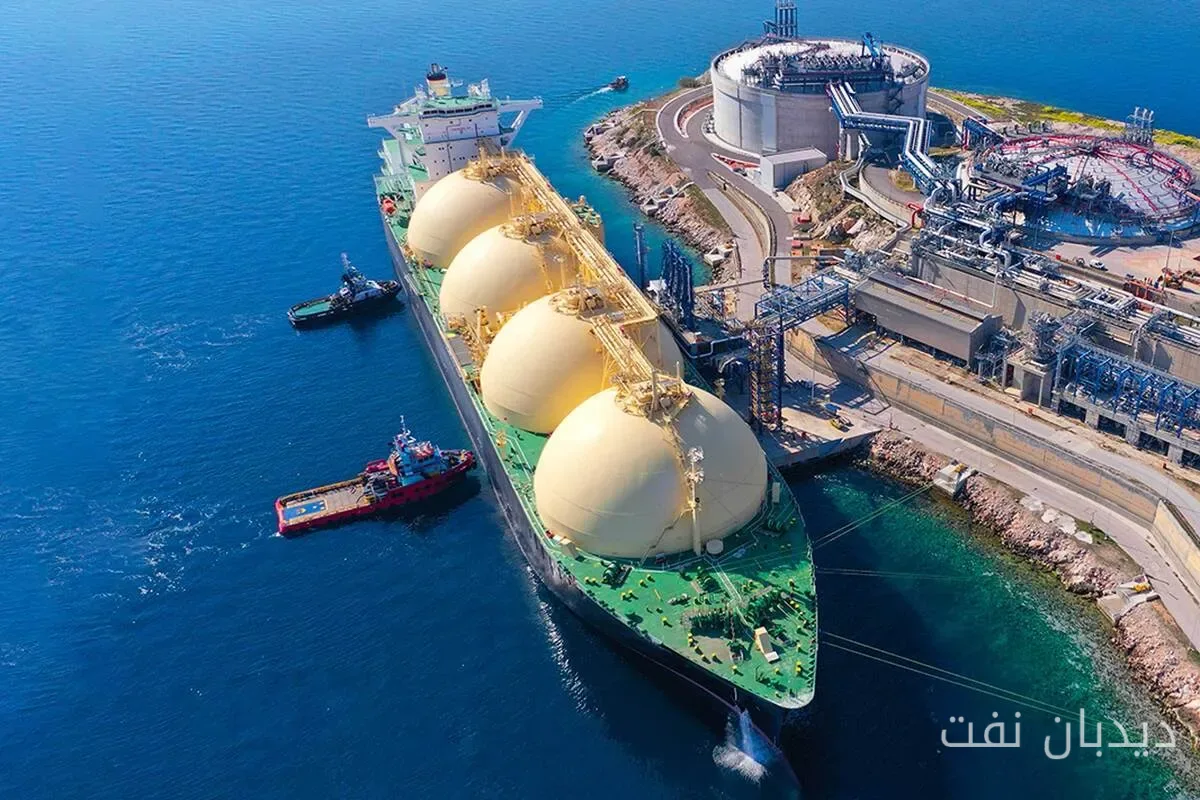
The Qatari government has recently decided to extend the suspension of some of its liquefied natural gas (LNG) exports to Asia and Europe for another month. This decision was made due to ongoing disruptions in maritime traffic in the Strait of Hormuz, which is recognized as one of the key points of global shipping.
Details of the Export Suspension
The current suspension of liquefied gas exports will be extended for another month, which could have significant impacts on the global energy market. Given the importance of liquefied natural gas in meeting the energy needs of various countries, this suspension could affect the fuel supply chain in Asian and European markets.
Read more: Iran's Complete Naval Control Over the Strait of Hormuz
Economic and Political Consequences
Disruptions in shipping security in the Strait of Hormuz have not only led to the suspension of Qatari exports but could also exert additional pressure on global energy markets. Gas and fuel prices may be affected under these conditions, and countries dependent on liquefied natural gas imports may face new challenges.
This decision could also impact Qatar's trade and political relations with other countries. Given that Qatar is one of the largest producers of liquefied natural gas in the world, any disruption in its exports could lead to changes in prices and demand in global markets.
As a result, the extension of Qatar's liquefied natural gas export suspension could be seen as a warning sign for the global energy market. Analysts have expressed concerns about the long-term impacts of this decision and the potential increase in demand for gas from other sources. This situation could benefit other producing countries and lead to changes in Qatar's position in the global energy market.
Read more: Development of the Absheron Gas and Condensate Field by TotalEnergies Has Begun · Increase in LNG Tanker Traffic from Qatar through the Strait of Hormuz