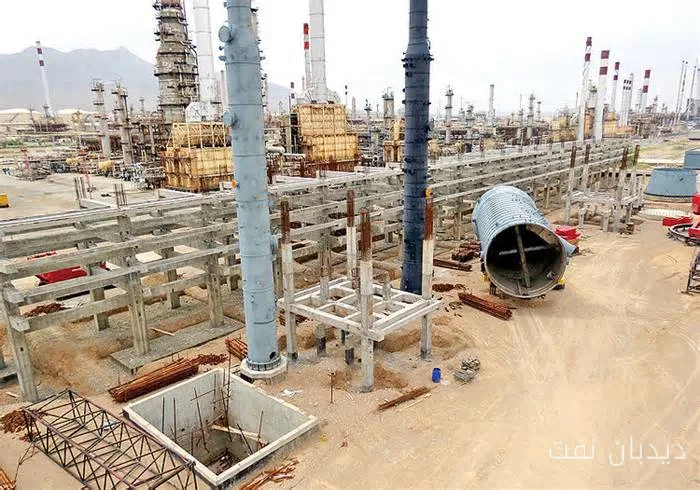
Isfahan Refinery, as one of the largest gasoline producers in the country, is executing strategic projects aimed at addressing energy imbalance and enhancing fuel quality. Gholamreza Bagheri-Dizaj, the CEO of this refinery, announced that the average daily gasoline production of this refinery reaches 12 million liters, and this facility has a daily capacity of 430,000 barrels, accounting for about 25 percent of the country's fuel production.
Development of Gasoline Quality Improvement Projects
Bagheri-Dizaj further explained that the gasoline quality improvement projects, especially the RFCC unit, are currently underway with a 28 percent progress and are expected to enter the production cycle by 2029. This project, by reducing the execution time from four years to two years, will help strengthen the daily production capacity of 8 million liters of gasoline and 2 million liters of quality diesel.
Read more: Decrease in crude oil and products prices in Iran's domestic market
Resource Management and Improvement of Product Quality
The CEO of Isfahan Refinery also referred to the challenges of enhancing product quality and stated that this complex is constructing steam, water, and gas production units simultaneously with the main units. This approach not only helps create sustainable infrastructure but also improves environmental indicators in accordance with modern standards.
Bagheri-Dizaj noted that considering that about 25 percent of the country's gas consumption capacity is used in the power generation and industrial sectors, Isfahan Refinery is seeking to produce quality diesel so that this product can replace natural gas in industries. This action will help reform the country's fuel mix and free up gas in the network, playing a decisive role in addressing gas imbalance during the cold seasons.
In conclusion, Bagheri-Dizaj announced a 77 percent progress in the RHU project and stated that this project will be ready for operation by 2027. Additionally, in the field of water resource management, 40 percent of the refinery's water consumption is supplied from urban wastewater treatment, and with the completion of ongoing programs, this refinery will achieve complete self-sufficiency in meeting its water needs.
Read more: Impex increases its stake in the Australian LNG project · 3360 liters of smuggled gasoline discovered in Saqqez by IRGC intelligence



