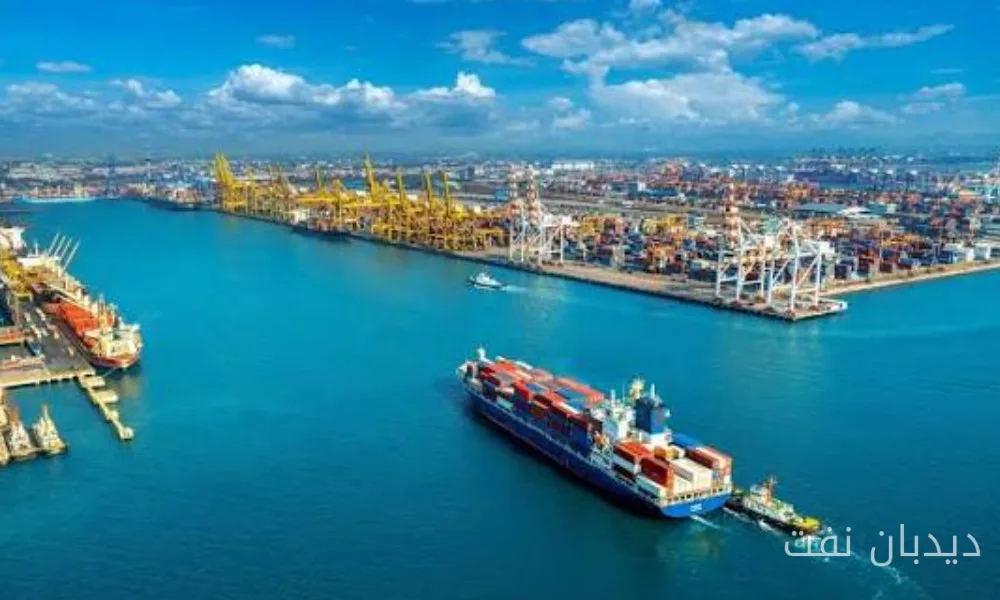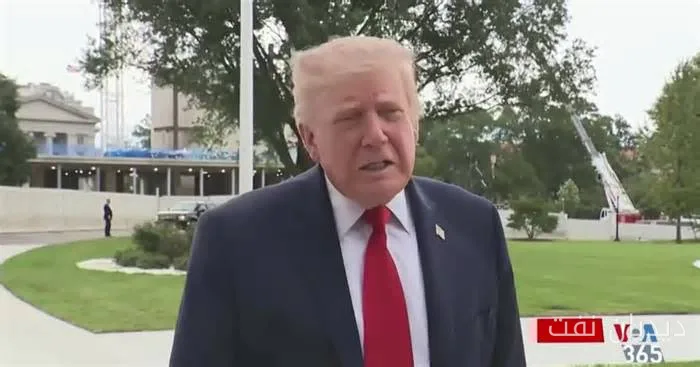
President Trump on Saturday, October 4, mentioned the rejection of the Islamic Republic's plan to reopen the Strait of Hormuz in a conversation with reporters in the White House grounds. He said, "They made a proposal, but I rejected it." These statements reflect the Islamic Republic's concerns about the economic situation and the country's oil exports.
Economic Pressures and the Islamic Republic's Demands
President Trump added that the Iranian government is seeking to reopen the Strait of Hormuz due to economic pressures and the restrictions it is experiencing on its oil exports. He noted that officials of the Islamic Republic are now in a position where they are looking to reopen the Strait of Hormuz because "they are losing."
Read more: Russia proposed imposing a $2.35 billion fee to finance nuclear icebreakers
Smart Play or Failed Strategy
The President of the United States also referred to the Islamic Republic's efforts to close the Strait of Hormuz, stating that this action ultimately backfired on them. He described the maritime blockade by the U.S. as a "steel wall" that prevents the Islamic Republic from earning revenue from oil exports.
According to the White House, since the resumption of the maritime blockade in July, oil exports from the shores of Iran have sharply decreased. In this context, U.S. forces have cleared international shipping routes in the Strait of Hormuz from mines, and nearly 1,500 commercial ships have passed through this waterway under U.S. protection.
Read more: The head of the Energy Commission of the Iran Chamber of Commerce emphasized the modernization of power plants · An Iranian oil tanker with an oil cargo on the path to circumvent sanctions