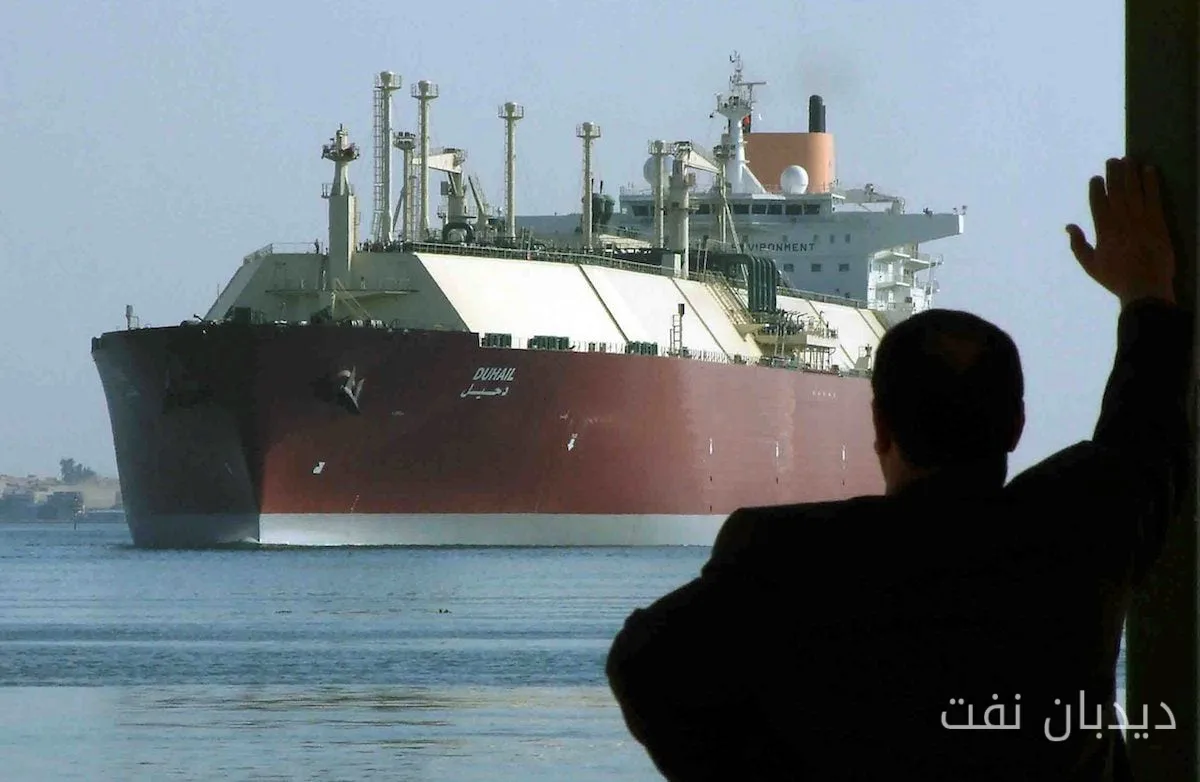
Polaris Shipping, based in Seoul, South Korea, is planning to expand its fleet beyond dry bulk carriers. The company is assessing further investments in the tanker sector and is also considering entering the gas transportation market.
History and Current Activities
Founded in 2004, Polaris Shipping has become one of the largest operators of iron ore charter vessels. The company is particularly known for its long-term contracts with the Brazilian company Vale. In 2018, Polaris Shipping added two LR2 tankers with a capacity of 110,000 dwt to its fleet, primarily operating in the clean petroleum products trade, including jet fuel, gasoline, naphtha, and diesel.
Read more: Navitas Petroleum Acquires 37.5 Percent of Block 1 CBK in South Africa
Future Steps and Expansion Outlook
Senior management at Polaris Shipping has announced that the company is exploring further diversification of its fleet. This move could include ordering gas transportation vessels. Entering the wet trades would represent a significant step for one of the most recognized dry bulk companies in South Korea.
Recently, Polaris Shipping ordered four Newcastlemax vessels with a capacity of 210,000 dwt from China’s Qingdao Beihai shipyard, scheduled for delivery in 2031. These vessels, backed by financing from Vale, are designed with WinGD engines capable of burning ethanol, methanol, and conventional fuels. The design of these vessels also considers options for conversion to liquefied natural gas (LNG) or ammonia.
The expansion of Polaris Shipping's activities into new sectors could have a significant impact on the company's position in the global shipping market. Given the changes in demand patterns and the need for more sustainable energy sources, Polaris is currently well-positioned to meet these needs.
Read more: Kinetics Converts Arctic Voyager Tanker to FSRU · New Contract for Arab Drilling Company for Four Offshore Rigs Worth 2 Billion Saudi Riyals