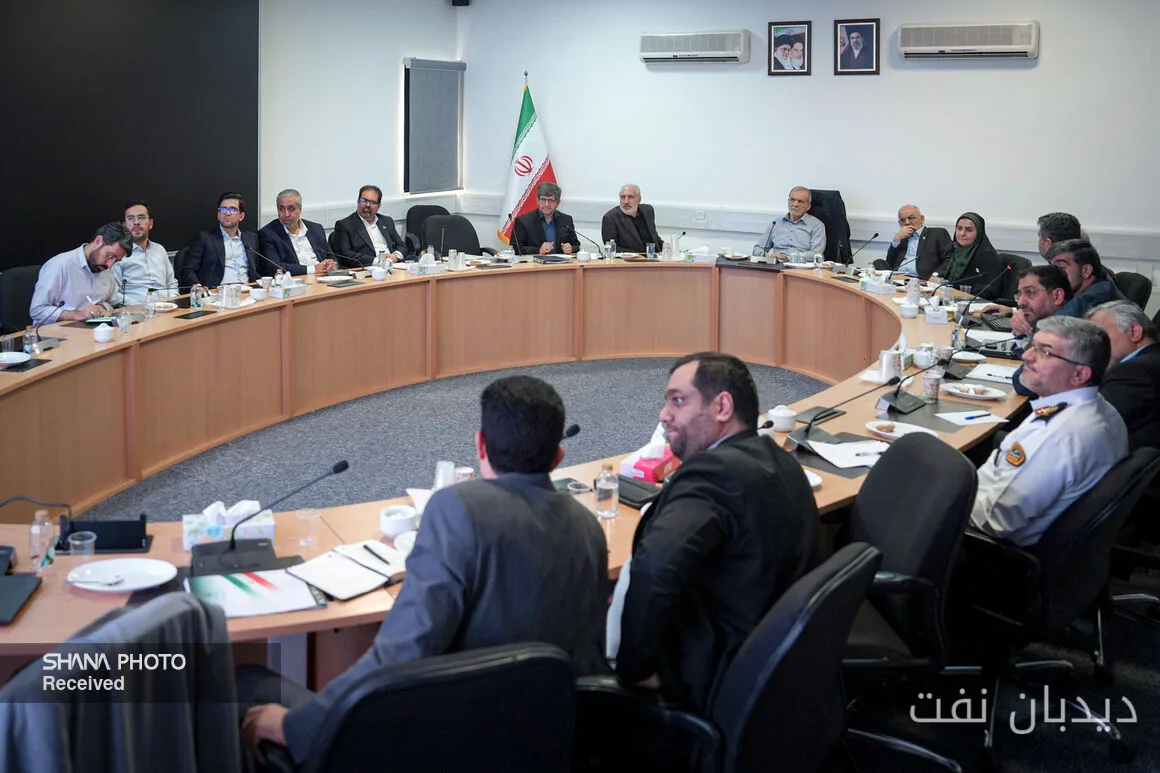
Masoud Pezeshkian, the President, emphasized the need for enhanced inter-sectoral coordination and strengthened continuous oversight during a meeting to review the optimization and management of fuel consumption. He called for transforming consumption management programs into actionable and measurable steps and reiterated the necessity of allocating the benefits of reduced fuel consumption to low-income groups.
Report on meetings and executive actions
During this meeting, a report was presented on actions taken to organize the fuel distribution system and prevent the misuse of fuel cards. According to this report, implementing these actions will lead to a daily reduction of about 3 to 5 million liters in fuel consumption. Additionally, the amount of fuel imports in October of this year has decreased by 58 percent compared to October of last year.
Read more: Saeed Aiti: Agencies should anticipate necessary measures for energy imbalance
Pezeshkian, emphasizing the need for precise oversight of the supply chain, transfer, and consumption of fuel, stated that the volume of consumption and waste must be clearly defined, and the source of any deviation in this chain must be identified. He said: "Proper management, transparency of information, and effective action against violations can help close smuggling channels and prevent resource waste."
Equity in subsidy distribution and reform of allocation system
Pezeshkian did not consider the government's goal of reforming energy subsidy distribution mechanisms as revenue generation and emphasized that the benefits from consumption management should be spent to strengthen the livelihoods of low-income groups. He also stressed the need to revise the method of gas subsidy allocation and called for designing a fair mechanism for households to benefit from government support.
The President referred to the dissatisfaction arising from the limitation of unbalanced privileges and called for reforming the subsidy allocation system. He emphasized: "Access to subsidy quotas should be regulated, and consumption beyond the designated quota should be subject to pricing commensurate with actual costs."
Pezeshkian also considered combating fuel smuggling and preventing the diversion of subsidy resources as essential for energy consumption management and stressed the need to identify individuals involved in fuel smuggling. He called for restricting these individuals' access to subsidy quotas and establishing a continuous and data-driven oversight system.
Following up on resolutions and returning benefits to the people
Pezeshkian, in summarizing the discussions, emphasized the necessity of continuous follow-up on resolutions and the accountability of executive agencies. He said: "The criterion for the success of fuel consumption management policies is not just the reduction of consumption, but it must be clarified how the freed-up resources will be utilized to improve the livelihoods of the people."
Ultimately, he emphasized that all benefits from reduced consumption and preventing fuel waste should be allocated to the target community, and none of the government agencies should claim rights over these resources. These resources belong to the people and should be spent in the designated manner to support low-income groups.
Read more: The heavy cost of war with Iran on American citizens · Significant increase in tanker traffic in the Suez Canal in the third quarter of 2026