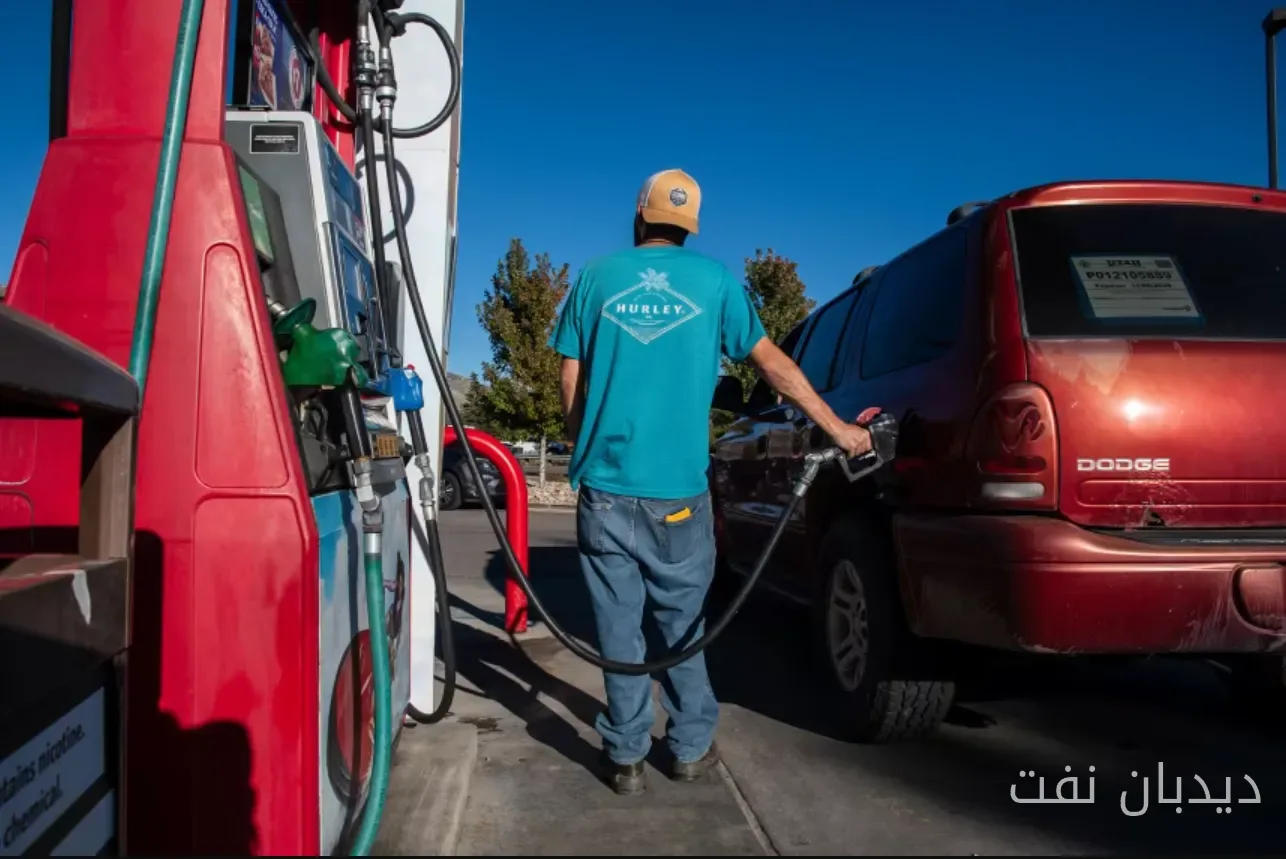
The war with Iran, which began in late February, has imposed a heavy cost on American consumers. According to calculations by Mark Zandi, chief economist at Moody's Analytics, this conflict has so far incurred about $265 billion. Zandi stated that many American citizens understand the connection between the war and high living costs and are calling for an end to this war.
Economic Conditions and Impact on Household Costs
With rising prices, wage growth has not been able to keep up with everyday expenses. The pace of wage growth in September reached its lowest level in five years, and real wages have declined in nearly all months since the war began. This situation has forced families to use their savings or rely on credit cards to meet their expenses.
Read more: Natural gas prices in Europe rise to $1003 per 1000 cubic meters
Rising Energy Costs and Their Impact on Daily Life
The energy sector is at the center of the current financial crisis. The Strait of Hormuz crisis has prevented the export of large volumes of crude oil, fuel, and liquefied natural gas from the Persian Gulf in recent months. Although oil export flows have somewhat recovered, logistics and transportation costs have risen sharply, driving up the prices of gasoline, diesel, and jet fuel.
According to Moody's estimates, the increase in energy prices and home heating costs alone has added about $1,100 to American households' expenses. Currently, the average price of gasoline across the United States has reached $4.34 per gallon, showing a significant jump from the $2.98 rate before the conflict began. Data from the American Automobile Association (AAA) indicates that this year, gasoline prices have remained at or above $4 for 165 days, the highest level in the history of this organization's records since 2000.
Impact on Other Economic Sectors and Reactions
In addition to energy, the war with Iran has had significant effects on other economic sectors as well. High borrowing costs and interest rates are among the challenges households are facing. Rising inflation has led to increased interest rates by the Federal Reserve, bringing the average rate for a 30-year fixed mortgage to 7.4 percent. In the aviation industry, the spike in jet fuel prices has led to increased costs for cargo and tickets.
In response to this situation, a White House spokesperson rejected criticisms of Mark Zandi as a financial supporter of the Democratic Party, emphasizing that President Trump is determined to prevent Iran from acquiring nuclear weapons. However, the economic pressures resulting from this conflict have significantly reduced the government's popularity, with only 27 percent of Americans approving of the government's economic performance.
Read more: Gas prices in Europe reach the highest level in 4 years · Panama government moves to deregister three sanctioned American oil tankers



