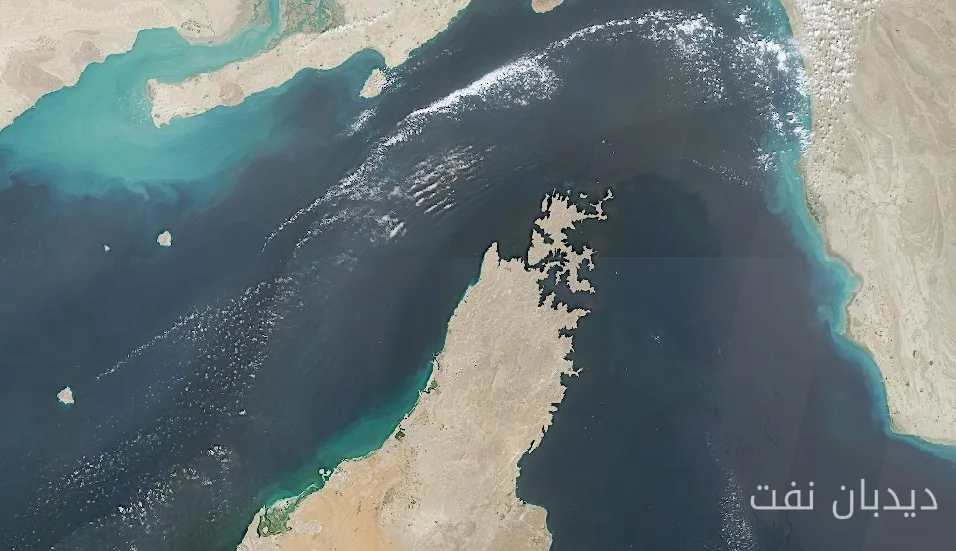
The Maritime Security Center of Oman has established new regulations for the passage and presence of ships in the territorial waters of the country. These guidelines have been issued based on a royal decree (30/2026) that was published earlier this year, before the onset of the war. These regulations are related to the interpretation of the Ministry of Transport, Communications, and Information Technology of Oman, which is responsible for overseeing maritime affairs in the country and is committed to the United Nations Convention on the Law of the Sea.
Details of the New Regulations
The new guidelines do not apply to warships and ships with military purposes and only apply to vessels that pass through Oman's territorial waters or intend to anchor in these waters. Foreign-flagged vessels are required to submit a navigation permit request through a shipping agent at least three days prior to arrival. Permits will only be issued if the ships have valid flag registration and insurance certificates, including Protection and Indemnity (P&I) insurance.
Read more: Farhad Shahroki: Iran's electricity imbalance is not only related to cryptocurrency mining
New Requirements for Ships
After the issuance of permits, ships must comply with a set of new requirements:
- Enter protected or restricted areas only after obtaining official approval.
- Declare weapons and ammunition and obtain the necessary permits.
- Avoid photographing public and private properties.
- Maintain continuous AIS (Automatic Identification System) operation in Oman's territorial waters.
The enforcement of these regulations will be a significant challenge for the Omani Coast Guard, given the volume of traffic and that these regulations apply to ships passing through Oman's territorial waters. Many of these vessels may enter and exit Oman's waters before any enforcement action is taken.
It is unclear what specific incident prompted the Maritime Security Center of Oman to implement this strict enforcement of the laws mentioned in the royal decree 30/2026. However, this action is likely a result of a buildup of incidents that have led the Maritime Security Center of Oman to this decision. These incidents may include:
- Operations by the Islamic Revolutionary Guard Corps with unmarked boats in Oman's territorial waters conducting reconnaissance, laying mines, and attacking passing vessels.
- Operations of shuttle tankers through the Strait of Hormuz that typically remain in territorial waters but are under frequent attacks by the Revolutionary Guard.
- Covert use of civilian ships for military operations, especially to provide protection against Revolutionary Guard attacks.
- Increased use of Oman's waters by unidentified tankers with invalid or fraudulent flag registrations and lacking valid P&I insurance.
With the introduction of this new regime by the Maritime Security Center, it remains to be seen how this system will be implemented in practice and what consequences will follow. However, this regime represents a significant tightening of controls and an emphasis on Oman's sovereign rights. Restoring order to a situation that has currently become somewhat chaotic, despite significant military risks from the Revolutionary Guard and navigation hazards created by the lack of use of designated channels in the center of the strait, will be a major challenge.
Read more: 50% Increase in Iran's Trade Volume in the Caspian Sea to Russia · Oil Tanker Shipment on New Route to China with Date 2023