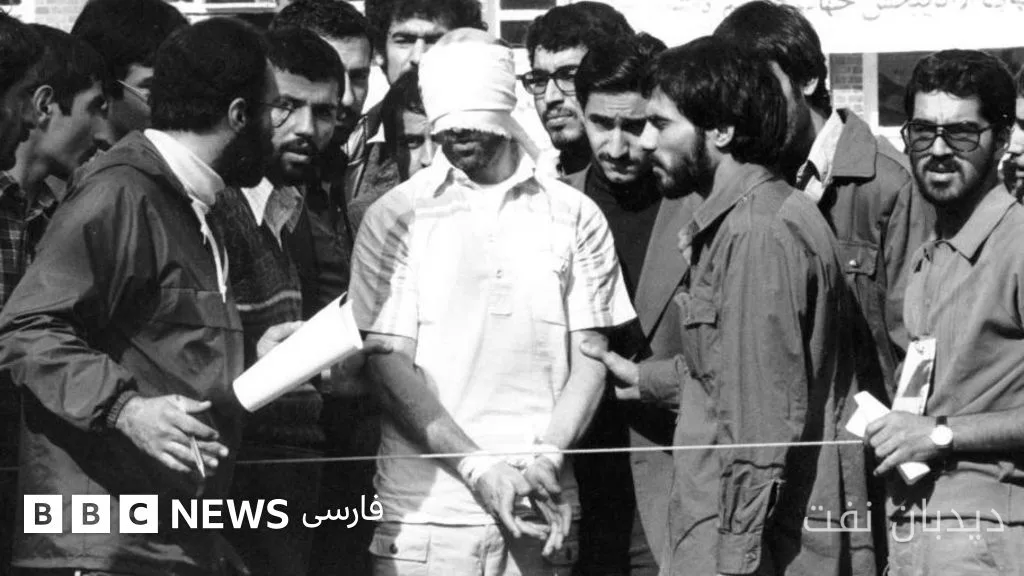
October Surprise in U.S. political history refers to a development that can change the outcome of elections. This term has its roots in the hostage crisis at the U.S. Embassy in Tehran in 1979 and points to the concerns that existed at that time within the Republican camp.
History of October Surprise
On the eve of the 1980 presidential election, Democratic President Jimmy Carter was faced with a hostage crisis involving 52 Americans who were held captive in Tehran. Negotiations for their release had stalled, and Carter was trying to manage this crisis. This situation raised concerns within the campaign of Ronald Reagan, Carter's Republican rival, that Carter might suddenly succeed in freeing the hostages and change the election results in his favor.
Read more: HarborLab: Inefficiency in Port Cost Management in Asia
Electoral Concerns and Consequences
William Casey, Reagan's campaign manager, had warned since the summer of 1980 about the possibility of the hostages being released before the election. He was concerned that Carter could free the hostages in the final days of the campaign and, by announcing this success, turn the election tide in his favor. October Surprise became recognized as a political term in this context and was applied to similar events in the future.
On November 4, 1980, the election was held, and Ronald Reagan defeated Carter by a significant margin. Less than three months later, on January 20, 1981, the American hostages were released after 444 days in captivity. This timing fueled one of the most controversial allegations in U.S. election history: Did Reagan's associates secretly contact Iranian officials to delay the release of the hostages until after the election?
Official investigations by the U.S. Congress in 1993 concluded that there was no credible evidence to prove collusion between Reagan's campaign and Iran, but ambiguities remain. In March 2023, former American politician Ben Barnes claimed that John Connally, the former governor of Texas, had asked Middle Eastern leaders in the summer of 1980 to send a message to Tehran to delay the release of the hostages.
These issues and allegations have led to ongoing discussions about October Surprise and its impact on U.S. foreign and domestic policies. It seems that this concept is not only related to political developments in the past but also to current concerns regarding tensions between Iran and the United States.
Read more: FERC Introduced a New Plan to Facilitate LNG Project Licensing · JD Vance: The War Against Iran Will End with Permission to Control Oil Supply